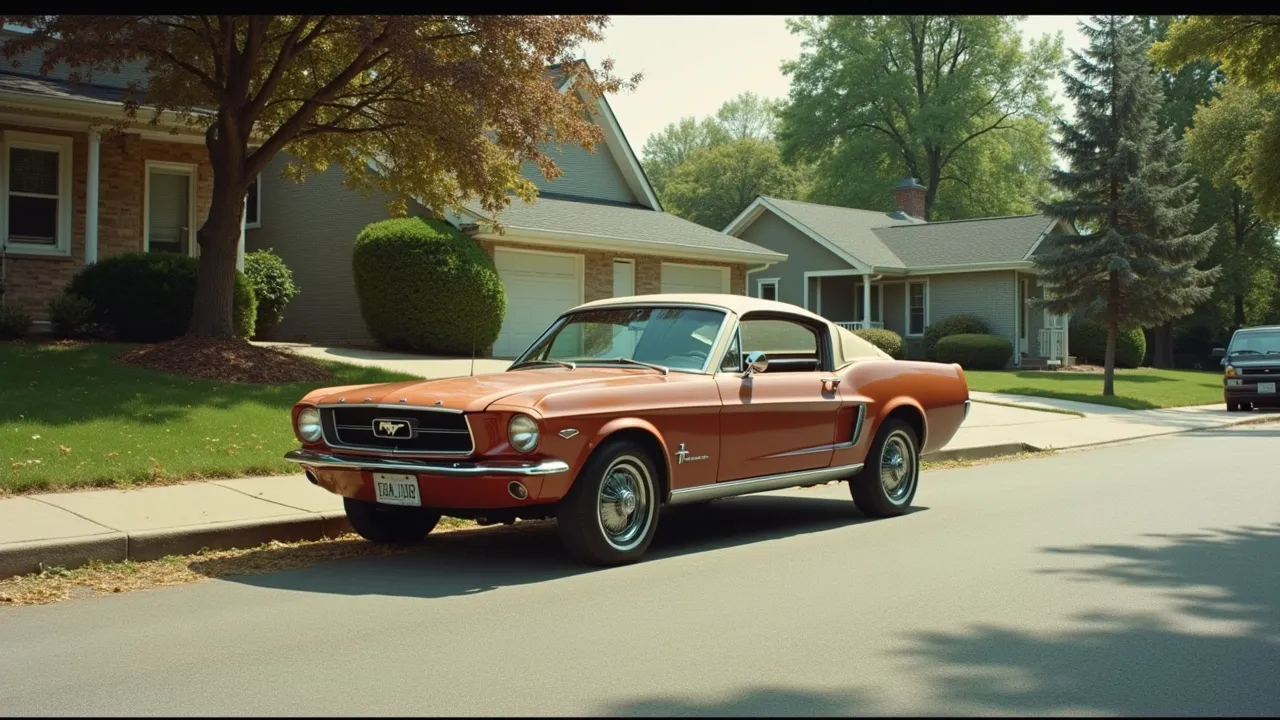
Ford Mustang Day, observed on April 17th, celebrates the legendary debut of the Ford Mustang in 1964. It honors the iconic pony car's impact on automotive culture and invites enthusiasts to share their passion.
The Historical Origins & Evolutionary Journey
Ford Mustang Day commemorates the official introduction of the Ford Mustang on April 17, 1964, at the New York World's Fair. The vehicle was an instant sensation, creating a new class of "pony car" and sparking a cultural revolution. This section explores the foundational catalyst, the vehicle's rapid adoption, and its modern global legacy.
The Foundational Catalyst
In the early 1960s, Ford Motor Company recognized a growing market for a sporty, affordable, and compact car. Under the leadership of Lee Iacocca, the team developed a prototype named the Mustang, inspired by the P-51 Mustang fighter plane. The design combined a long hood, short rear deck, and a low base price of $2,368. The Mustang was marketed towards young buyers and women, a novel approach at the time.
Legislative and Official Adoption
While Ford Mustang Day is not a federally recognized holiday, Ford Motor Company officially celebrates it alongside thousands of car clubs worldwide. In 2018, Michigan's governor declared April 17 as "Ford Mustang Day" in the state, acknowledging the vehicle's historical and economic impact. Other states and municipalities have followed suit with proclamations.
Modern Global Legacy
Today, the Mustang remains in continuous production for over six decades. It is sold in more than 100 countries, including right-hand drive markets. Ford has released special editions like the Shelby GT350, Bullitt, and Mach-E electric SUV, ensuring the Mustang's relevance. Enthusiasts gather annually for parades, car shows, and track events, making April 17 a global celebration of automotive freedom.
How to Celebrate Ford Mustang Day
Ford Mustang Day offers countless ways to pay homage to America's favorite sporty car. Whether you own a Mustang or simply admire its legacy, here are actionable ideas for individuals, clubs, and organizations worldwide.
For Individual Owners and Fans
- Take a Drive: Plan a scenic road trip in your Mustang, preferably on historic routes like Route 66.
- Host a Mini Car Show: Invite neighbors to display their Mustangs in your driveway or local park.
- Share on Social Media: Post photos with the hashtag #FordMustangDay and tag @Ford.
- Watch Mustang Movies: Re-watch classics like Bullitt or Gone in 60 Seconds featuring the Mustang.
For Car Clubs and Enthusiast Groups
- Organize a Cruise-In: Coordinate a group drive ending at a local diner or landmark.
- Charity Rally: Charge a small fee for a guided tour, donating proceeds to a local charity.
- Tech Session: Host a workshop on Mustang maintenance or restoration.
For Organizations and Businesses
- Offer Promotions: Auto parts stores can discount Mustang parts, and Ford dealerships can host test-drive events.
- Educational Display: Museums can curate a small exhibit on Mustang history.
Internationally, celebrations vary. In the UK, the Mustang Owners Club holds a gathering at the British Motor Museum. In Australia, enthusiasts meet at coastal drives. The key is personal expression and shared appreciation.
Global Impact and Cultural Significance
The Ford Mustang transcended its role as a mere automobile to become a cultural icon representing freedom, rebellion, and American ingenuity. Its impact is felt worldwide, from movies and music to fashion and art.
Cinematic and Television Presence
The Mustang's most famous film appearance is the 1968 movie Bullitt, featuring a legendary car chase through San Francisco. The 1974 film Gone in 60 Seconds featured a 1971 Mustang Mach 1, and the 2000 remake highlighted a Shelby GT500. In television, the Mustang appeared in Knight Rider (as KITT's nemesis) and The Dukes of Hazzard. These appearances cemented its place in pop culture.
Motorsport Heritage
The Mustang has a rich racing history, from Trans-Am championships in the 1960s to current IMSA and NASCAR competitions. The Shelby GT350 and GT500 models were built for the track. Ford's victory at the 1966 Daytona 24 Hours with the Mustang GT350 is legendary.
Economic and Industrial Influence
The Mustang's success spurred competition, leading to the Chevrolet Camaro, Pontiac Firebird, and Dodge Challenger. It also created a vast aftermarket industry for performance parts and restoration. Ford estimates over 10 million Mustangs have been sold, making it one of the best-selling sports cars.
Design Evolution Through the Decades
The Ford Mustang's design has evolved dramatically while retaining core elements. Each generation reflects the era's styling trends and engineering capabilities.
First Generation (1964-1973)
- 1964-1966: Original fastback and convertible, iconic long hood, short deck.
- 1967-1968: Larger body, bigger engines (including the 428 Cobra Jet).
- 1969-1973: Boss 302, Boss 429, and Mach 1 trims; aggressive styling.
Second Generation (1974-1978)
- Mustang II: Smaller, fuel-efficient design in response to oil crisis. Criticized for lack of muscle, but still popular.
Third to Fifth Generations (1979-2004)
- Fox Platform (1979-1993): Lighter, more aerodynamic. GT trim revived performance.
- SN-95 (1994-2004): Modernized retro styling, 1999 redesign with sharper lines.
Modern Era (2005-Present)
- Fifth Generation (2005-2014): Retro-inspired design reminiscent of late-1960s models.
- Sixth Generation (2015-2023): Independent rear suspension, Ecoboost engine, global platform.
- Seventh Generation (2024+): Sleeker, more tech-forward, with continued V8 option.
Collecting and Maintaining a Ford Mustang
Owning a Ford Mustang is a rewarding hobby that spans generations. Whether you collect classic models or daily-drive a modern one, proper care ensures longevity and value.
Buying a Classic Mustang
Research VIN and Data Plates: Verify originality with Marti Auto Works reports.
Inspect for Rust: Common areas include floor pans, torque boxes, and rear frame rails.
Check Mechanicals: Known issues include failing leaf springs and weak transmissions.
Restoration Tips
Prioritize Safety: Brakes, steering, and tires first.
Original vs. Modified: Concours restorations retain value, but modifications can enhance drivability.
Join Clubs: Mustang Club of America offers resources and events.
Modern Mustang Maintenance
Oil Changes: Use synthetic 5W-20 for Coyote V8s.
Transmission Care: Manual transmissions may require clutch upgrades for track use.
Electronics: Sync system updates improve functionality.
Ford Mustang Day Around the World
While April 17 is the primary date, some regions have unique traditions. Global celebrations reflect local automotive culture.
United States
Ford hosts events at its Dearborn headquarters, including a parade of Mustangs and a display at the Henry Ford Museum. Many dealerships offer special sales and service discounts on April 17.
Europe
In the UK, the Mustang Owners Club of Great Britain organizes a national meet at the British Motor Museum in Gaydon. In Germany, the German Mustang Club holds a gathering at the Nürburgring race track.
Asia-Pacific
In Australia and New Zealand, enthusiasts often cruise along coastal roads like the Great Ocean Road. Japanese clubs combine Mustang meets with drift events at circuits like Ebisu.
Some regions celebrate on other dates due to logistical reasons, but April 17 remains the universally recognized day.
The Future of the Ford Mustang
As the automotive industry shifts toward electrification, the Mustang is evolving. Ford has committed to keeping the Mustang nameplate alive while embracing new technologies.
Mustang Mach-E
Launched in 2020, the Mustang Mach-E is an all-electric SUV that carries the pony badge. Despite controversy over using the Mustang name on a crossover, it has been a sales success and won awards for performance and range.
Next-Generation Gas Models
Ford announced the seventh-generation Mustang (2024+) with a refined V8 and manual transmission option, ensuring the traditional muscle car experience continues. The Dark Horse trim offers track-focused capability.
Preserving the Heritage
Clubs and Ford's own dedication to events like Ford Mustang Day ensure that the legacy endures. The day itself may become more formalized as electric vehicles take center stage, but the spirit of pony car freedom lives on.
Historical Timeline
Ford Mustang makes its world debut at the New York World's Fair, with a base price of $2,368. Over 22,000 orders are taken on the first day.
First full model year. Shelby GT350 is introduced, designed by Carroll Shelby for racing.
Steve McQueen drives a 1968 Mustang GT Fastback in the iconic chase scene of the film 'Bullitt'.
Mustang II debuts as a smaller, fuel-efficient car during the oil crisis. It becomes Motor Trend's Car of the Year.
Third-generation Mustang built on the Fox platform, featuring a more aerodynamic design.
Fourth-generation Mustang (SN-95) introduces modern retro styling and a 5.0L V8 engine.
Fifth-generation Mustang brings back classic 1960s-inspired styling, with a powerful 4.6L V8.
Sixth-generation Mustang adopts independent rear suspension, improving handling. First global Mustang sold in Europe and Asia.
Ford launches the Mustang Mach-E, an all-electric SUV, expanding the brand into electric vehicles.
Seventh-generation Mustang enters production, featuring the Dark Horse high-performance variant and updated technology.