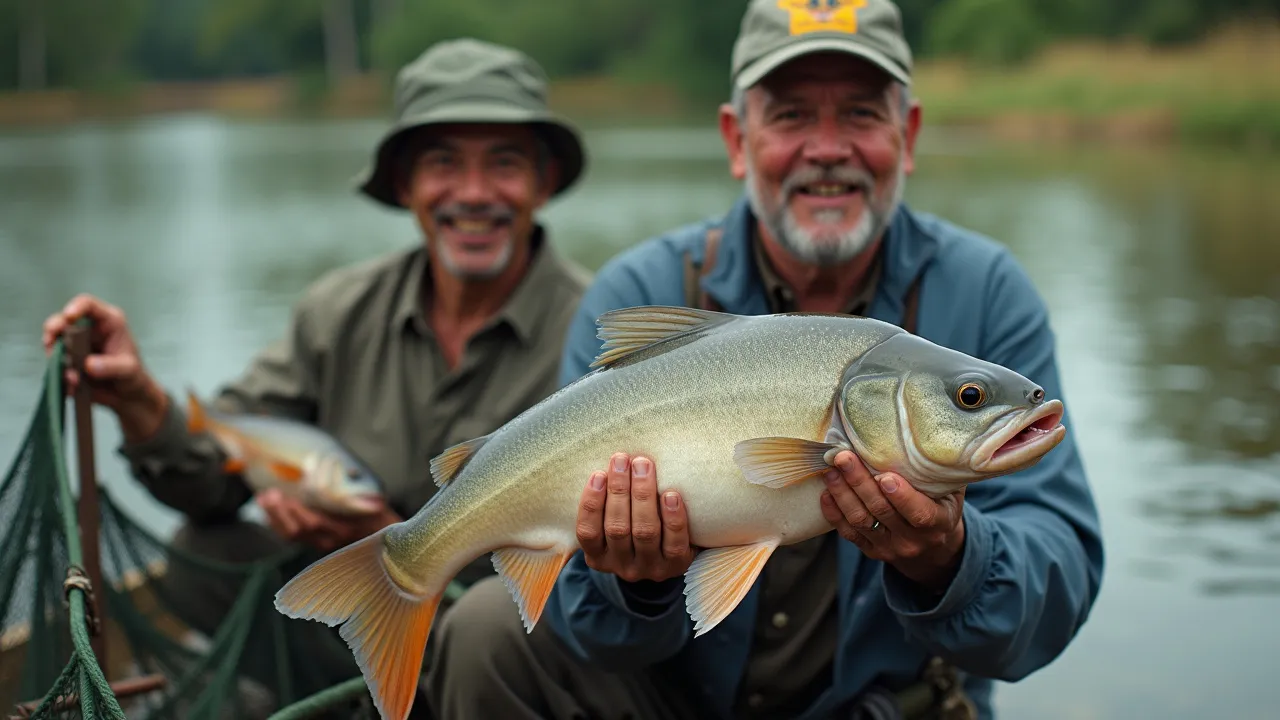
National Catfish Day, celebrated June 25th, honors the catfish farming industry and its contributions to American cuisine and economy. President Ronald Reagan proclaimed the day in 1987.
The Historical Origins & Evolutionary Journey
National Catfish Day was established through Presidential Proclamation 5665 on June 25, 1987, by President Ronald Reagan. The day recognizes the vital role of farm-raised catfish in the United States as a sustainable, nutritious, and economically significant food source. The proclamation highlighted the rapid growth of the catfish aquaculture industry, particularly in the Mississippi Delta, which had transformed from a small-scale enterprise into a multimillion-dollar sector.
The Foundational Catalyst
Catfish farming in the US began gaining traction in the 1950s and 1960s, with pioneers experimenting with pond culture in states like Mississippi, Arkansas, and Alabama. By the 1970s, advances in feed formulation and disease management allowed for large-scale production. The industry's success stemmed from the fish's hardiness, mild flavor, and adaptability to controlled environments. By the mid-1980s, catfish had become the leading aquaculture species in the US, prompting legislative attention.
The Legislative Adoption
President Reagan's proclamation was a response to lobbying by catfish farmers and agricultural groups who sought national recognition. The day was not created by Congress but via executive proclamation, which is a formal statement by the President. This action elevated catfish from a regional staple to a nationally recognized product. The proclamation explicitly urged Americans to observe the day with appropriate ceremonies and activities, thereby cementing its place on the calendar.
Modern Global Legacy
While National Catfish Day remains a US-focused observance, the recognition helped spur global catfish trade. US farm-raised catfish (Ictalurus punctatus) is now exported to over 20 countries, and similar celebrations have influenced catfish appreciation in places like Vietnam (which promotes its own pangasius but acknowledges the US tradition). The day now serves as a marketing opportunity for restaurants, retailers, and aquaculture associations to promote catfish consumption and educate the public about sustainability.
How to Celebrate National Catfish Day
National Catfish Day offers numerous ways for individuals, families, and organizations to appreciate catfish. Below are actionable strategies grouped by audience.
For Individuals and Families
- Cook a Catfish Meal: Prepare classic Southern fried catfish, grilled catfish with lemon pepper, or blackened catfish. Use farm-raised catfish for best quality and sustainability.
- Visit a Catfish Festival: Many towns in catfish-producing states hold events on or near June 25th, such as the World Catfish Festival in Belzoni, Mississippi.
- Support Local Catfish Farmers: Purchase direct from farms or farmers' markets. Learn about the farming process through farm tours.
For Schools and Educational Groups
- Aquaculture Lessons: Teach students about the life cycle of catfish, pond ecosystems, and the economic impact of aquaculture.
- Field Trips: Arrange visits to catfish processing plants or research stations like the Thad Cochran Aquaculture Center.
For Restaurants and Retailers
- Feature Catfish Specials: Offer discounted catfish dishes or promote catfish as the weekly special. Use signage to educate diners about the day's history.
- Social Media Campaigns: Share recipes, farming facts, and customer photos with hashtags like #NationalCatfishDay and #CatfishDay.
Globally, celebration practices differ. In the US, emphasis is on farm-raised catfish, while in Southeast Asia, wild-caught catfish varieties are often highlighted. Some countries organize catfish cooking competitions or aquaculture expos.
Economic Impact of the Catfish Industry
The US catfish farming industry generates over $400 million in annual farm-gate sales and supports thousands of jobs in rural communities. The industry is concentrated in Mississippi, Alabama, Arkansas, and Louisiana, where catfish processing plants provide employment and drive local economies. Key economic facts:
- Farm-raised catfish accounts for over 90% of US catfish production.
- Exports to Canada, Mexico, and European countries have grown steadily since 2000.
- The industry has faced challenges from cheaper imported basa and swai (Asian catfish), leading to labeling laws requiring country-of-origin disclosure.
Trade disputes have shaped the industry. The US catfish industry has lobbied for strict inspection standards to differentiate domestic farm-raised catfish from imports. The 2008 Farm Bill redefined catfish under USDA inspection, further protecting the domestic market.
Nutritional Benefits of Catfish
Catfish is a lean protein source rich in omega-3 fatty acids, vitamin B12, and selenium. A 3-ounce serving provides about 130 calories, 15 grams of protein, and less than 1 gram of saturated fat. Health advantages include:
- Heart health: Omega-3s help reduce inflammation and triglyceride levels.
- Brain function: Vitamin B12 supports nervous system health.
- Weight management: Low-calorie, high-protein food aids satiety.
Farm-raised catfish have controlled diets that ensure consistent nutrient profiles. They are also free of mercury concerns common in larger predatory fish.
Catfish in American Cuisine
Catfish holds a special place in Southern cuisine, but its popularity has spread nationwide. Traditional preparation methods include deep-frying with cornmeal batter, served with hushpuppies and coleslaw. Regional variations:
- Delta Style: Fried catfish with hot sauce and pickles.
- Creole: Catfish courtbouillon (stew) with tomatoes and spices.
- Texas: Grilled catfish with chili-lime marinade.
Chefs increasingly use catfish in tacos, salads, and curries. Its mild taste absorbs marinades well, making it adaptable to diverse cuisines. The day encourages culinary exploration.
Environmental Sustainability of Catfish Farming
Modern catfish aquaculture is one of the most environmentally efficient protein production methods. Sustainable practices include:
- Water recirculation systems reduce water usage by up to 90% compared to traditional ponds.
- Feeds are formulated from plant-based ingredients, reducing reliance on wild fish stocks.
- Effluent management prevents nutrient pollution in waterways.
Certification programs like the Aquaculture Stewardship Council (ASC) and Best Aquaculture Practices (BAP) promote responsible farming. National Catfish Day highlights these innovations, encouraging consumers to choose responsibly farmed catfish.
Historical Timeline
Commercial catfish farming begins in Mississippi, with farmers converting rice fields into ponds. Early production focuses on supplying local markets.
Mississippi State University establishes the Thad Cochran Aquaculture Center to research catfish health and feed, boosting industry productivity.
President Ronald Reagan signs Proclamation 5665 designating June 25 as National Catfish Day, recognizing the industry's economic and nutritional importance.
Catfish consumption grows nationwide, with farm-raised catfish becoming the fifth most popular fish in the US. Fast-food chains begin offering catfish fillets.
The Catfish Institute launches the 'Catfish is the New Chicken' campaign to promote catfish as a healthy, convenient protein.
The Farm Bill transfers catfish inspection from the FDA to the USDA, tightening safety standards and differentiating domestic farm-raised catfish from imports.
The US catfish industry faces competition from imported pangasius, leading to trade disputes and labeling requirements under the USDA.
Despite the COVID-19 pandemic, catfish sales remain stable due to increased home cooking. Virtual National Catfish Day events become popular.
The industry celebrates record export volumes to Canada and Mexico, and the day gains traction on social media with millions of posts using #NationalCatfishDay.