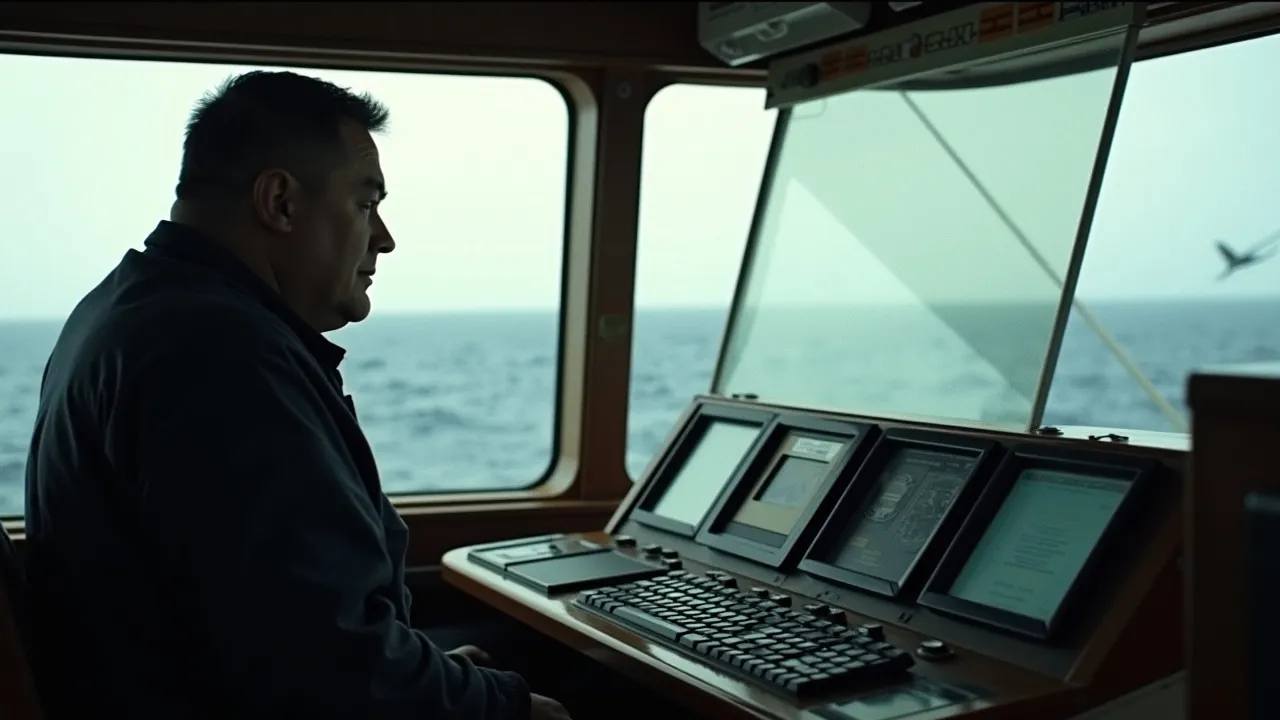
Day of the Seafarer, observed annually on June 25th, honors the vital contributions of seafarers to global trade and society. Established by the International Maritime Organization, it highlights their sacrifices and challenges.
The Historical Origins & Evolutionary Journey
The Day of the Seafarer was officially established by the International Maritime Organization (IMO) in 2010, with the first observance taking place on June 25, 2011. Its creation was driven by the need to recognize the indispensable role of seafarers in the global economy and to raise awareness about the challenges they face. The date was chosen to align with the adoption of the International Convention on Standards of Training, Certification and Watchkeeping for Seafarers (STCW) in 1978, a landmark treaty that set global standards for seafarer training and safety.
The Foundational Catalyst
The impetus for a dedicated day arose from the 2008 financial crisis and subsequent piracy surges off the coast of Somalia, which highlighted the vulnerabilities and heroic resilience of seafarers. Shipping accounts for about 90% of global trade, yet the men and women who operate the vessels often remain invisible to the public. The IMO's Maritime Safety Committee and Member States recognized that a formal day of recognition could foster greater understanding and support.
The Legislative/Official Adoption
In 2010, the IMO Assembly adopted Resolution A.1024(26), formally declaring June 25 as the Day of the Seafarer. The resolution urged governments, shipping organizations, and the public to promote the day with activities that honor seafarers. The first celebration in 2011 included events at IMO headquarters in London, with speeches from maritime leaders and the launch of a social media campaign using the hashtag #DayOfTheSeafarer.
Evolution of Themes
Each year, the IMO selects a theme to focus public attention. Early themes centered on safety and training, such as 'Seafarers: Safe and Secure' (2012). Later themes addressed contemporary issues: 'Sea Farers' Contribution to Global Trade' (2014), 'Seafarers' Wellbeing' (2016), and 'Seafarers: At the Core of Shipping's Future' (2020). The 2023 theme, 'Fair Future for Seafarers', highlighted the need for equitable treatment and career development.
Modern Global Legacy
Today, the Day of the Seafarer is observed by over 170 IMO Member States, with events ranging from port open houses and ship tours to charity runs and awards ceremonies. It has gained traction on social media, with thousands of posts sharing seafarer stories. The day also serves as a platform to advocate for better working conditions, mental health support, and crew change protocols, issues magnified during the COVID-19 pandemic.
How to Celebrate Day of the Seafarer
The Day of the Seafarer offers countless ways for individuals, schools, companies, and governments to express gratitude and support. Below are actionable strategies organized by audience.
For Individuals
- Send a thank-you message to a seafarer you know via social media using #DayOfTheSeafarer.
- Write to a seafarer through organizations like Mission to Seafarers or Seafarers UK.
- Learn about shipping by visiting a port or watching documentaries such as The Forgotten Workers of the Sea.
- Donate to seafarer charities that provide welfare services, legal aid, or family support.
For Schools and Educational Institutions
- Organize a maritime career day with guest speakers from the shipping industry.
- Host a poster or essay contest with themes like 'Life at Sea' or 'Why Seafarers Matter'.
- Incorporate geography and trade lessons that highlight the journey of everyday goods via shipping lanes.
- Arrange a virtual tour of a cargo ship via live stream from a local port authority.
For Corporations and Shipping Companies
- Issue a company-wide statement acknowledging the contributions of seafarers and post it on social media.
- Offer free crew welfare packages or provide Wi-Fi vouchers to ships in port.
- Host a crew appreciation event on vessels, with certificates of recognition.
- Launch a mental health initiative or fund a seafarer support hotline.
International Traditions and Regional Variations
Philippines: As a top seafarer-supplying country, the Philippines holds large parades and Masses for seafarers. India: The Indian Navy organizes open houses on naval ships. Greece: Ports host cultural festivals with traditional music and food. United Kingdom: The Mission to Seafarers runs special services and awareness campaigns. Indonesia: Fishing communities offer prayers for safety at sea. In all cases, the core value is gratitude and solidarity.
The Global Impact of Seafarers
Seafarers are the unsung heroes of the global economy. Approximately 1.89 million seafarers operate the world's merchant fleet of over 50,000 ships, transporting everything from food and medicine to electronics and raw materials. Without them, 90% of global trade would grind to a halt, disrupting supply chains, raising prices, and causing shortages.
Economic Contribution
The shipping industry contributes over $3 trillion annually to global GDP. Seafarers enable this by working long hours in harsh environments, often for months at a time. Their labor keeps supermarket shelves stocked, hospitals supplied, and factories running. In developing nations, remittances from seafarers support families and local economies.
Environmental Stewardship
Modern seafarers are trained in environmental protection under regulations like the MARPOL convention. They manage ballast water, reduce emissions, and prevent oil spills. Their daily efforts are critical to achieving the International Maritime Organization's (IMO) 2020 sulfur cap and the 2050 decarbonization goals.
Humanitarian Role
During the COVID-19 pandemic, seafarers continued to deliver essential goods despite being stranded at sea due to travel restrictions. The crew change crisis affected hundreds of thousands, yet they persevered. Seafarers also assist in rescue operations, providing aid to refugees and distressed vessels, embodying the maritime tradition of solidarity at sea.
Challenges Faced by Seafarers
Despite their critical role, seafarers confront numerous hardships that the Day of the Seafarer aims to highlight and address.
Prolonged Separation from Family
Contracts typically last 6 to 9 months, with little to no shore leave. Internet access is limited, making communication difficult. Mental health issues such as depression and anxiety are prevalent, with studies showing 25% of seafarers experience depressive symptoms.
Safety and Health Risks
Working on ships involves hazards: heavy weather, machinery accidents, piracy (especially in the Gulf of Aden and West Africa), and exposure to toxic substances. Fatigue from long shifts (often 12 hours a day, 7 days a week) increases accident risks. During the pandemic, many seafarers were denied medical care on land due to quarantine fears.
Legal and Financial Injustice
Some seafarers face wage theft, abandonment in foreign ports, or unfair dismissal without legal recourse. The Maritime Labour Convention (2006) sets minimum standards, but enforcement is uneven. Criminalization for accidental pollution or collisions creates fear. The Day of the Seafarer amplifies calls for fair treatment and access to justice.
Pandemic-Induced Crew Change Crisis
From 2020 to 2022, over 400,000 seafarers were stranded at sea beyond their contracts because of border closures. This humanitarian crisis led to mental health emergencies and even suicides. The IMO designated seafarers as key workers, but progress remains slow. The day continues to advocate for crew change protocols and vaccination access.
Seafarers and the Maritime Industry
The maritime industry is the backbone of seafarer livelihoods, but it is also evolving rapidly. The Day of the Seafarer provides an opportunity to examine the relationship between seafarers and the industry that depends on them.
Employment and Demographics
The global seafarer workforce is diverse: 51% are officers (captains, engineers, deck officers) and 49% are ratings. The top supplying countries are the Philippines, China, Indonesia, Turkey, and India. Women make up only 2% of seafarers, a figure the IMO seeks to raise through initiatives like Women in Maritime.
Technological Changes
Automation and autonomous ships are emerging, but seafarers remain essential for complex decision-making, maintenance, and emergency response. Digitalization (e.g., electronic charting, e-navigation) requires continuous training. The Day of the Seafarer emphasizes that seafarers must be included in the design of new technologies to ensure they augment rather than replace human skills.
Regulatory Framework
Key conventions that protect seafarers include STCW (training), SOLAS (safety), MARPOL (environment), and MLC 2006 (working conditions). The IMO works with member states to enforce these standards. The Day of the Seafarer encourages shipowners to go beyond compliance and invest in crew welfare as a business asset.
Future of Seafaring and the Day's Significance
As the world faces climate change, geopolitical shifts, and technological disruptions, the future of seafaring is at a crossroads. The Day of the Seafarer continues to evolve as a platform for shaping that future.
Decarbonization and Green Shipping
The IMO targets net-zero GHG emissions by 2050, requiring new fuel technologies like ammonia, hydrogen, and methanol. Seafarers will need retraining to handle these fuels safely. The day can spotlight such training programs and encourage investment in seafarer education.
Attracting New Talent
The industry faces a shortage of skilled officers. Campaigns like 'Go to Sea' aim to attract youth. The Day of the Seafarer showcases career opportunities, from navigation to marine engineering, and promotes diversity, especially gender equality. Schools can use the day to spark interest in maritime careers.
Enhancing Resilience
Pandemic lessons have led to better contingency plans for crew changes, telemedicine, and mental health support. The day serves as a deadline for progress: each June 25, advocates assess whether seafarer welfare has improved. Long-term goals include ratifying and enforcing MLC amendments and achieving universal recognition as key workers.
In essence, the Day of the Seafarer is not just a celebration but a call to action. It reminds the world that behind every product we use is a seafarer willing to brave the seas, and that their dignity, safety, and wellbeing must be a global priority.
Historical Timeline
The International Convention on Standards of Training, Certification and Watchkeeping for Seafarers (STCW) was adopted on June 25, setting global training standards.
The IMO Assembly adopted Resolution A.1024(26), officially declaring June 25 as the Day of the Seafarer.
First observance of the Day of the Seafarer on June 25, with events at IMO headquarters and social media campaigns.
Theme: 'Seafarers: Safe and Secure'. Focus on safety training and piracy awareness.
Theme: 'Sea Farers' Contribution to Global Trade'. Highlighted economic impact.
Theme: 'Seafarers' Wellbeing'. Emphasis on mental health and family communication.
Theme: 'Seafarers: At the Core of Shipping's Future'. Addressed the COVID-19 crew change crisis and recognition as key workers.
Theme: 'Fair Future for Seafarers'. Called for equitable treatment, fair wages, and career development.