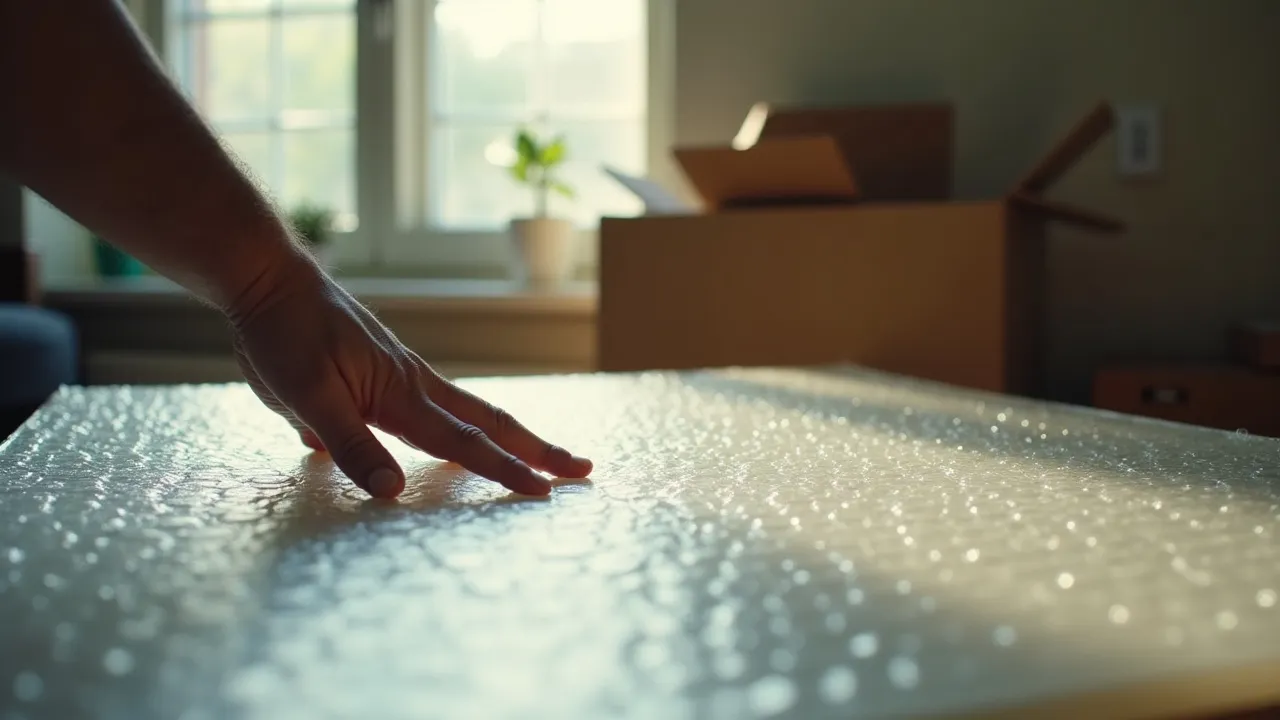
National Bubble Wrap Appreciation Day, observed on the last Monday of January, celebrates the iconic cushioning material. Learn about its accidental invention, cultural impact, and fun ways to pop your stress away.
The Historical Origins & Evolutionary Journey
National Bubble Wrap Appreciation Day honors a material that began as a failed wallpaper and became a global packaging phenomenon. Its story is one of serendipity, innovation, and the joy of popping.
The Accidental Invention
In 1957, engineers Alfred Fielding and Marc Chavannes sealed two shower curtains together to create a textured wallpaper. The product flopped, but they discovered its cushioning potential. In 1960, they patented it as "Bubble Wrap" and founded Sealed Air Corporation. The first major client? IBM, to protect their 1401 computers during shipping.
Cultural Adoption
Bubble Wrap became synonymous with protective packaging. In 2005, an informal observance emerged, likely from a radio station promoting stress relief. The last Monday of January was chosen—a winter day when people need a fun pick-me-up. Since then, it has grown into a global celebration with social media hashtags, corporate events, and charity pops.
How to Celebrate National Bubble Wrap Appreciation Day
Celebrating this day can be as simple or elaborate as you like. The goal is to enjoy the tactile sensation and stress relief of popping bubbles. Here are some ideas for individuals, schools, and organizations.
For Individuals
- Order a sheet of large-bubble Bubble Wrap and pop it while watching a movie.
- Create art by painting or stamping on popped bubbles.
- Host a popping contest with friends—longest streak without missing a bubble.
For Schools
- Organize a bubble-wrap relay race: students run while stepping on a strip of bubbles.
- Teach about packaging science and recycling.
- Create bubble-wrap crafts, such as textured collages.
For Companies
- Place bubble wrap in break rooms for stress relief.
- Donate bubble wrap to local shipping companies or non-profits.
- Share videos of team popping challenges on social media with #BubbleWrapDay.
Globally, enthusiasts also engage in popathons, where thousands of bubbles are popped simultaneously for charity.
The Science of Popping: Why It’s So Satisfying
Why is popping Bubble Wrap so addictive? Neuroscience offers clues. The sudden burst releases a small amount of dopamine—the feel-good neurotransmitter. Each pop provides immediate, low-risk feedback, making it a perfect stress buster. Studies show that repetitive, fine-motor activities like popping can reduce cortisol levels and improve focus.
The Physics of a Pop
When pressure is applied, the polyethylene film ruptures, releasing compressed air. The sound and vibration create a multi-sensory experience. Larger bubbles produce a louder pop, which many find more satisfying. Manufacturers even engineer 'pop-lock' layers to prevent premature bursting during shipping.
Environmental Considerations & Sustainability
Bubble Wrap is primarily made from low-density polyethylene (LDPE), a recyclable plastic. However, many recycling facilities don't accept it due to its lightweight nature. Environmental concerns have led to innovations: biodegradable bubble wrap made from plant starches, and recycled-content bubble wrap. Manufacturers like Sealed Air offer programs to recycle used bubble wrap.
Eco-Friendly Alternatives
- Reusable padded envelopes.
- Paper bubble wrap (honeycomb paper).
- Biodegradable air pillows made from recycled materials.
Consumers can also reuse bubble wrap multiple times. Some communities host bubble-wrap recycling drives on National Bubble Wrap Appreciation Day.
Bubble Wrap in Pop Culture & Entertainment
Bubble wrap has transcended packaging to become a cultural icon. It appears in movies as comedic sound effects, in art installations (like bubble-wrap rooms), and even in fashion—designers have created dresses and accessories from bubble wrap. Social media challenges, like the "bubble wrap race" where people pop a strip as fast as possible, go viral annually.
Artistic Uses
Artists use bubble wrap for texture in paintings or as a stamping tool. The popped bubbles create interesting patterns. Some musicians sample the popping sound in tracks. The material’s versatility makes it a favorite for creative expression.
The Future of Bubble Wrap
As e-commerce continues to grow, the demand for protective packaging rises. Bubble wrap remains a key player, but the industry is evolving. Smart bubble wrap with embedded sensors can detect shock during transit. Self-healing films that reseal after punctures are in development. Additionally, companies are exploring plant-based, compostable bubbles.
Innovations to Watch
- Bubble wrap that changes color when damaged.
- Ultra-thin, high-tensile films that use less plastic.
- Interactive bubble wrap for gaming—popping through an app.
National Bubble Wrap Appreciation Day not only looks back but also forward to these exciting developments.
Historical Timeline
Alfred Fielding and Marc Chavannes attempt to create a textured wallpaper by sealing two shower curtains together, creating the first bubble wrap.
Fielding and Chavannes patent the material as Bubble Wrap and form Sealed Air Corporation.
IBM becomes the first major customer, using bubble wrap to protect its 1401 computer during shipping.
Bubble wrap becomes widely adopted across industries; Sealed Air opens factories worldwide.
National Bubble Wrap Appreciation Day is first observed, likely initiated by a radio station, on the last Monday of January.
Social media fuels the popularity of the day; #BubbleWrapDay trends annually with millions of posts.
Sealed Air introduces a recyclable version of bubble wrap made from post-consumer recycled content.
A record-breaking popathon in Ohio pops over 100,000 bubbles in one hour, raising funds for education.