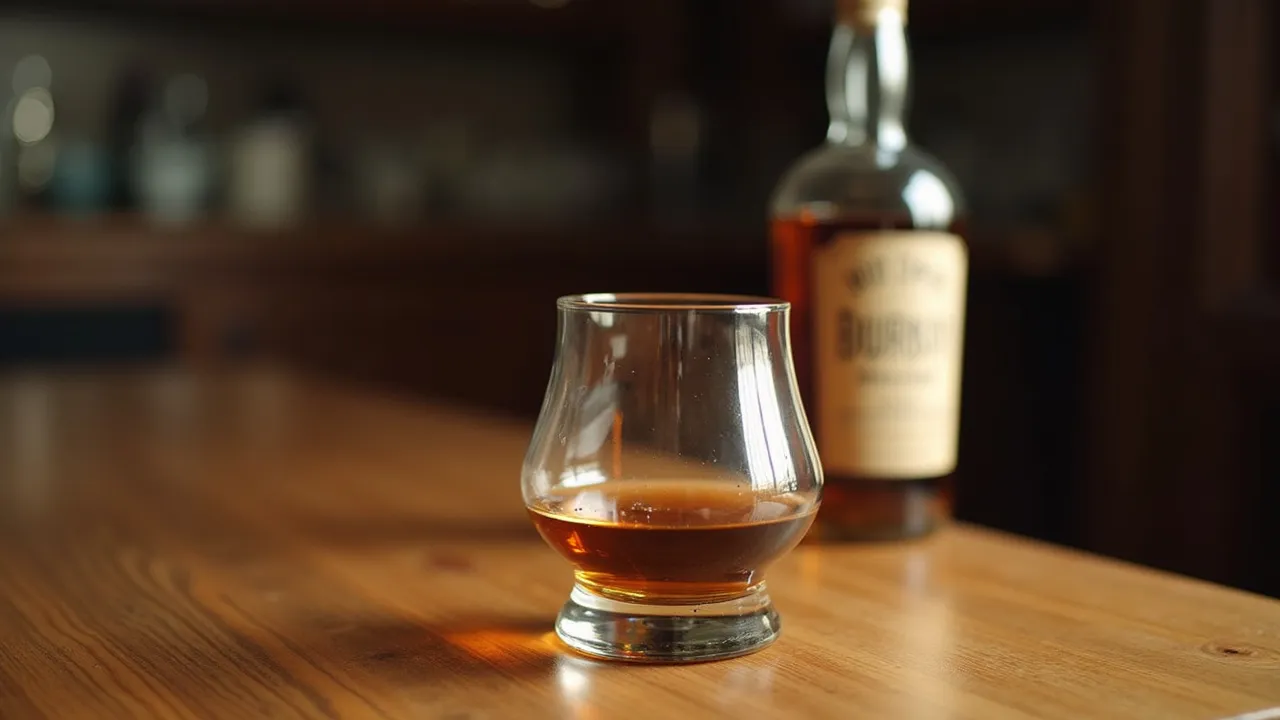
National Bourbon Day, observed on June 14th, celebrates America's native spirit. Discover its rich history, cultural impact, and ways to enjoy this iconic whiskey.
The Historical Origins & Evolutionary Journey
National Bourbon Day, celebrated annually on June 14th, honors the rich heritage of bourbon whiskey, a spirit deeply intertwined with American history. The exact origins of this observance are relatively recent, but the story of bourbon itself stretches back over two centuries.
The Foundational Catalyst
Bourbon production began in the late 18th century, with early settlers in Kentucky using corn to distill whiskey. The spirit gained its name from Bourbon County, Kentucky, a region known for its prolific distilleries. By the early 19th century, bourbon had become a staple of American culture, often traded along the Mississippi River. The first known commercial distillery was established by Elijah Craig in 1789, though he is often credited with aging whiskey in charred oak barrels, a technique that defines bourbon today.
The Legislative/Official Adoption
In 1964, the U.S. Congress officially declared bourbon America's "native distilled spirit," a move that solidified its cultural status. However, the concept of a dedicated day for bourbon emerged later. The Kentucky Distillers' Association launched National Bourbon Day in 2011 as a way to promote the state's signature product and educate consumers about its heritage. The date June 14th was chosen because it coincides with the founding of the Kentucky Distillers' Association? Actually, the specific reason remains informal, but it has been widely adopted by bourbon enthusiasts and industry events.
Modern Global Legacy
Today, National Bourbon Day has grown into a global celebration, with distilleries hosting tastings, bars offering special flights, and fans sharing their favorite brands on social media. While the day is most prominent in the United States, especially in Kentucky, bourbon's popularity has surged worldwide, particularly in Japan, Europe, and Australia. The observance now serves as a platform to discuss the craft of bourbon making, the importance of oak aging, and the spirit's role in American heritage.
How to Celebrate National Bourbon Day
Celebrating National Bourbon Day can be a rich experience, whether you are a seasoned connoisseur or a curious newcomer. Here are actionable strategies for individuals, groups, and organizations to honor this day:
For Individuals
- Host a Tasting: Gather a few friends and sample different bourbons. Note the color, aroma, and flavor profiles. Use a flavor wheel to enhance the experience.
- Visit a Distillery: Many Kentucky distilleries offer special tours and tastings on June 14th. If you cannot travel, consider virtual tours that some distilleries provide online.
- Cook with Bourbon: Incorporate bourbon into recipes like bourbon-glazed ribs, bourbon pecan pie, or even a classic bourbon cocktail like the Old Fashioned.
- Support Local: Purchase a bottle from a local craft distillery to support small businesses and regional diversity.
For Bars and Restaurants
- Special Menus: Create a bourbon-themed menu with cocktails like Mint Juleps, Bourbon Sours, and Kentucky Mules. Offer food pairings such as cheese, chocolate, or barbecue.
- Bourbon Flights: Offer flights of bourbons from different distilleries, perhaps focusing on a single barrel or small batch selections.
- Educational Events: Host a bourbon class led by a master distiller or an industry expert, covering history, production, and tasting techniques.
For Organizations
Nonprofits and businesses can use the day to fundraise or educate. For instance, host a charity bourbon auction or partner with a local distillery for a percentage of sales to benefit a cause. Schools and museums might organize a presentation on the history of bourbon, emphasizing its cultural and economic impact on Kentucky and the nation.
Bourbon's Cultural & Economic Impact
Bourbon is more than a drink; it is a cultural icon and an economic powerhouse. In Kentucky alone, the bourbon industry contributes over $9 billion annually to the state's economy and supports more than 22,000 jobs. Distilleries have become major tourist attractions, with the Kentucky Bourbon Trail drawing millions of visitors each year. Culturally, bourbon has shaped American identity, from the Prohibition era's illegal stills to the post-1950s revival of classic cocktails. The spirit appears in literature, film, and music, often symbolizing rugged individualism and Southern hospitality. National Bourbon Day amplifies this legacy, encouraging appreciation for the craftsmanship and tradition behind every bottle.
Global Reach
While bourbon is inherently American, its appeal is global. Japan, for example, has become a major consumer and producer of whiskey inspired by bourbon techniques. European countries import large quantities, and bourbon festivals now occur in the UK and Germany. The day fosters cross-cultural exchange, with international bars creating bourbon-centric events.
The Art & Science of Bourbon Production
Understanding bourbon production deepens appreciation for National Bourbon Day. By law, bourbon must be made in the United States, contain at least 51% corn, be distilled to no more than 160 proof, entered into a new charred oak barrel at no more than 125 proof, and bottled at 80 proof or higher. The process involves several steps:
Mashing and Fermentation
Grain is ground and mixed with water to create a mash, then cooked to convert starches to sugars. Yeast is added to begin fermentation, producing alcohol and flavor compounds. The mash bill (grain recipe) defines the bourbon's character.
Distillation
The fermented liquid, or "beer," is distilled in copper stills to separate alcohol from water and impurities. The resulting "white dog" is clear and high in proof.
Aging
This is where bourbon gains its color and flavor. The clear spirit is aged in new charred oak barrels. Over time, the wood imparts vanilla, caramel, and spice notes. Temperature swings cause the liquid to expand and contract, interacting with the barrel. Minimum aging is two years for straight bourbon, but many are aged much longer.
Bottling
After aging, bourbon is blended (if needed), diluted to bottling proof, and filtered. Some are bottled as single barrel or small batch.
Health & Responsible Consumption
National Bourbon Day also provides an opportunity to discuss responsible drinking. Moderating consumption is key: the U.S. Dietary Guidelines define moderate drinking as up to one drink per day for women and two for men. A standard drink of bourbon is 1.5 ounces (80 proof). Potential health benefits of moderate bourbon consumption include improved heart health and reduced stress, but these are not conclusive and must be weighed against risks. Always pair with food, avoid binge drinking, and never drink and drive. Many distilleries emphasize responsibility, offering designated driver programs and non-alcoholic options during tastings.
Global Celebrations & Regional Variations
While National Bourbon Day is primarily a U.S. observance on June 14th, the spirit's popularity has spawned similar events worldwide. In the United Kingdom, "Bourbon Week" often coincides with late June, featuring tastings and masterclasses. Japan celebrates "Whisky Day" on May 29th, but many bars run bourbon specials throughout the year. Australia's bourbon community organizes events around the U.S. National Day. However, the core date remains June 14th, and it is widely recognized across the globe by enthusiasts. Distinct regional traditions include pairing bourbon with local cuisine, such as bourbon with sushi in Japan or with barbecue in the American South.
Historical Timeline
Elijah Craig establishes one of the first commercial distilleries in Kentucky, credited with aging whiskey in charred oak barrels, a foundational technique for modern bourbon.
Bourbon County is formed in Kentucky, giving the spirit its name.
The first documented use of the term "bourbon whiskey" appears in a newspaper advertisement.
The U.S. Congress declares bourbon America's "native distilled spirit," establishing legal standards.
The Kentucky Distillers' Association launches the first National Bourbon Day on June 14th, aiming to celebrate and promote bourbon heritage.
The Kentucky Bourbon Trail attracts over one million visitors for the first time, highlighting bourbon tourism's growth.
Despite the pandemic, distilleries pivot to virtual tastings and events, expanding National Bourbon Day's reach globally.