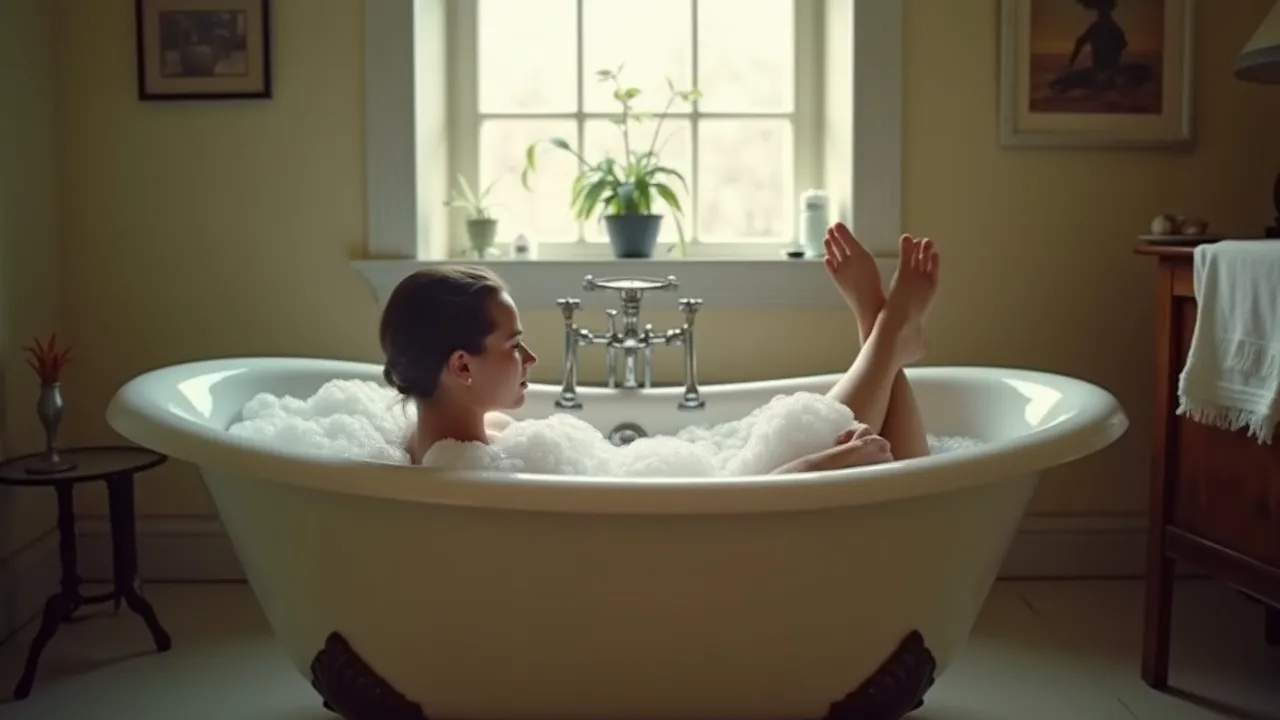
International Bath Day, observed on June 14th, honors Archimedes' discovery of buoyancy and promotes the health and relaxation benefits of bathing. Join the global celebration by taking a mindful bath.
The Historical Origins & Evolutionary Journey
International Bath Day is celebrated annually on June 14th, a date chosen to commemorate the legendary "Eureka!" moment of the ancient Greek mathematician and inventor Archimedes. According to historical accounts, Archimedes discovered the principle of buoyancy while stepping into a bath and noticing the water rise. This foundational event not only advanced physics but also symbolizes the power of relaxation and observation that bathing facilitates.
The Foundational Catalyst
Archimedes lived in Syracuse, Sicily, around 212 BC. The story, as relayed by Vitruvius, recounts that King Hiero II suspected a gold crown was adulterated with silver. Archimedes was tasked with proving the fraud without damaging the crown. While bathing, he noticed that his body displaced an equal volume of water, leading to the realization that different materials of the same weight displace different volumes. This epiphany caused him to run naked through the streets shouting "Eureka!" ("I have found it!"). This event ties bathing directly to scientific breakthrough.
The Legislative/Official Adoption
Despite the ancient roots, International Bath Day as a modern observance was established in 2014 by The International Bath Day Committee, a coalition of bath product manufacturers, spa associations, and cultural historians. The aim was to create a day dedicated to the appreciation of bathing as a ritual for health, hygiene, and mental well-being. The date June 14th was selected to honor Archimedes' birthday (according to some calendars) and his famous bath experience.
Modern Global Legacy
Since its inception, the day has grown steadily, with observances in over 30 countries. Social media campaigns under hashtags like #InternationalBathDay encourage people to share their bath time rituals. The day also promotes awareness of water conservation and sustainable bathing practices. Museums and science centers often host events on June 14th, linking bath history to physics demonstrations.
How to Celebrate International Bath Day
International Bath Day is a call to take a deliberate, mindful bath and appreciate the history and science behind this daily act. Below are comprehensive guides for individuals, families, schools, and organizations to celebrate meaningfully.
For Individuals
- Prepare a mindful bath: Set aside at least 30 minutes. Use warm water (100-102°F), add Epsom salts or essential oils like lavender, and dim the lights.
- Read about Archimedes: Spend a few minutes learning about his life and discoveries to connect with the day's origin.
- Practice gratitude: While soaking, reflect on the health benefits of baths—muscle relaxation, stress reduction, improved circulation.
For Families
- Bath time science experiment: Fill a bathtub and use a plastic container to demonstrate displacement. Let children see how objects of different sizes displace different amounts of water.
- Create bath bombs or salts: A fun DIY activity using baking soda, citric acid, and essential oils. This teaches chemistry and provides a sensory experience.
- Storytelling: Tell the story of Archimedes and his "Eureka!" moment, then encourage kids to come up with their own "Eureka" moments.
For Schools and Organizations
- Host a "Bath Science" workshop: Demonstrate buoyancy and density using a water tank. Invite a local physicist or science teacher.
- Promote hygiene awareness: Combine the celebration with a handwashing or hygiene campaign, emphasizing the role of bathing in public health.
- Fundraiser for water charities: Organize a sponsored "bath-a-thon" where participants take a bath to raise funds for clean water initiatives.
Regional Variations
While the primary date is June 14th, some cultures have their own bath-related festivals. For example, in Japan, the Yuzuyu tradition on the winter solstice involves bathing with yuzu citrus fruit for good health. In Turkey, the Hammam culture is a weekly ritual. International Bath Day encourages people to adapt these traditions to their local context.
- Japan: Add yuzu or seasonal flowers to bathwater.
- Turkey: Visit a traditional hammam for a steam bath.
- Finland: Combine a sauna session with a cool bath.
- Switzerland: Enjoy a natural hot spring bath.
Health Benefits of Regular Bathing
Beyond hygiene, bathing offers numerous health benefits validated by modern science. International Bath Day highlights these advantages to encourage a holistic approach to wellness.
Physical Health
- Muscle Relaxation: Warm water increases blood flow and reduces muscle tension. It's particularly effective after exercise or for chronic pain conditions.
- Improved Circulation: The hydrostatic pressure of water helps push blood from the extremities back to the heart, improving overall circulation.
- Skin Health: Soaking can hydrate the skin and open pores, but it's important to use gentle cleansers to avoid stripping natural oils.
Mental Health
- Stress Reduction: The warm water and quiet environment lower cortisol levels, promoting relaxation and better sleep.
- Mindfulness: Bathing can be a form of meditation. Focusing on the sensation of water and breathing reduces anxiety.
- Social Connection: For some, bath time with a partner or children strengthens bonds.
Scientific Evidence
A 2018 study in the journal Evidence-Based Complementary and Alternative Medicine found that regular warm baths significantly improve mood and reduce fatigue in participants with sleep disorders. Another study from 2020 showed that hydrotherapy can lower blood pressure and improve cardiovascular health.
Cultural Practices Around the World
Bathing rituals vary widely across cultures, reflecting local resources, traditions, and beliefs. International Bath Day serves as a platform to share and celebrate this diversity.
Japanese Onsen
Japan has a deep bath culture centered around natural hot springs (onsen). These communal baths are used for relaxation and healing. Onsen water is rich in minerals like sulfur and calcium, believed to treat skin conditions and arthritis. On International Bath Day, many Japanese families visit an onsen and soak together.
Turkish Hammam
The hammam is a steam bath tradition dating back to the Roman era. It involves a series of chambers: a warm room, a hot steam room, and a cooling room. Attendants perform exfoliating massages. On June 14th, some hammams offer special packages to celebrate the day.
Finnish Sauna
In Finland, saunas are a national institution. They are dry heat baths (70-100°C) often followed by a plunge into a cold lake or snow. Saunas are used for physical and mental cleansing. For International Bath Day, Finns might have an extra-long sauna session and toast with cold drinks.
Indian Ayurvedic Bath
Ayurveda emphasizes herbal baths using neem, tulsi, and turmeric. These baths are believed to detoxify the body and balance doshas. On International Bath Day, practitioners may take a ritualistic bath at sunrise, followed by meditation.
Ancient Roman Baths
Romans built elaborate public baths (thermae) that were centers of social life. They included caldarium (hot bath), tepidarium (warm room), and frigidarium (cold bath). International Bath Day recalls this heritage, and some museum baths offer special tours.
Environmental Considerations & Sustainable Bathing
While baths are restorative, they consume significant water (up to 70 gallons per bath). International Bath Day encourages eco-friendly practices to balance indulgence with environmental responsibility.
Water Conservation Tips
- Limit bath time: Use a timer to avoid overfilling or staying too long.
- Reuse bath water: Collect water with a bucket and use it to water plants or flush toilets.
- Install low-flow fixtures: Aerators on tub faucets reduce water usage without sacrificing pressure.
Eco-Friendly Bath Products
- Choose natural ingredients: Look for bath bombs and salts that are biodegradable and free of microplastics.
- Support sustainable brands: Many companies now offer packaging made from recycled materials or refillable containers.
- DIY options: Make your own bath products using baking soda, oatmeal, and essential oils to reduce packaging waste.
Water Footprint Awareness
The average bath uses about 40 gallons of water, compared to 10-20 gallons for a short shower. However, a mindful bath that incorporates a quick shower before or after can minimize waste. Some communities use International Bath Day to promote rainwater harvesting for non-potable uses.
Modern Innovations in Bathing Technology
From smart bathtubs to therapeutic jets, technology has transformed the bathing experience. International Bath Day highlights cutting-edge innovations that enhance comfort and health.
Smart Tubs
Modern bathtubs come with digital controls that preset water temperature, fill level, and lighting. Some models have integrated speakers for music or podcasts, and even UV sterilization systems to keep water clean. Brands like Kohler and Jacuzzi offer models that can be controlled via smartphone apps.
Hydrotherapy Jets
Whirlpool jet systems create a massage effect that targets sore muscles. Adjustable jet positions allow customization for individual needs. Hydrotherapy is now used in rehabilitation and sports recovery.
Bath Caddies and Accessories
Ergonomic bath pillows, adjustable tablet stands, and waterproof food trays make baths more comfortable and convenient. Some accessories include chromotherapy lights that change color to influence mood.
Water Filtration Systems
To improve water quality, some households install filtration systems that remove chlorine, heavy metals, and other impurities. This is especially beneficial for people with sensitive skin or allergies.
Virtual Reality Baths
In development, VR headsets can immerse bathers in calming environments like forests or beaches, enhancing the sensory experience. This innovation aims to reduce stress further and make bath time a full sensory escape.
Historical Timeline
Archimedes discovers the principle of buoyancy while taking a bath, leading to his famous 'Eureka!' moment. This event later becomes the historical inspiration for International Bath Day.
Roman public baths (thermae) become centers of social life, featuring multiple rooms with different temperatures. Bathing becomes a daily ritual for health and community.
Japanese onsen culture flourishes, with natural hot springs used for healing and relaxation. The practice continues today as a major part of Japanese tradition.
The International Bath Day Committee establishes June 14th as International Bath Day, honoring Archimedes and promoting the benefits of bathing. First official celebration occurs.
During the COVID-19 pandemic, International Bath Day gains popularity as people focus on self-care and hygiene at home. Social media campaigns see a 50% increase in engagement.
UNESCO recognizes the cultural significance of bathing traditions, including onsen and hammam, as intangible cultural heritage, giving a boost to International Bath Day observances.