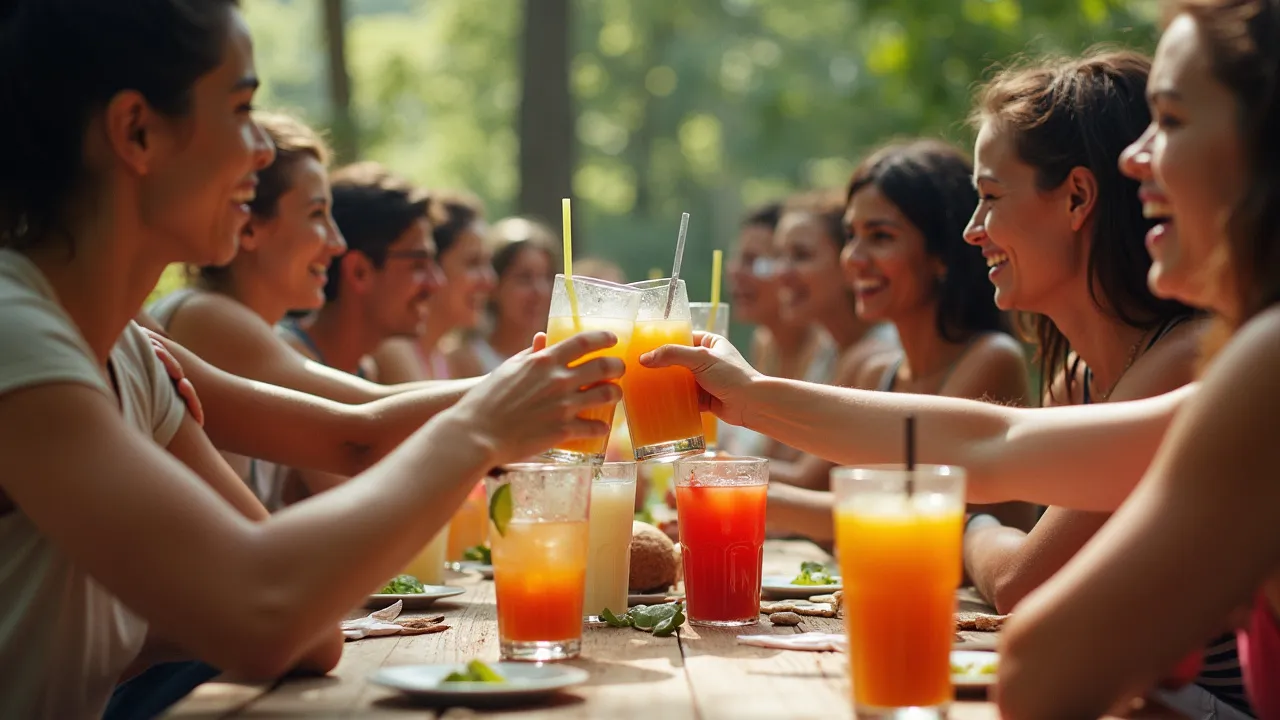
National Beverage Day, observed annually on May 6th, celebrates the vast world of beverages—from sodas and teas to smoothies and craft cocktails. It encourages exploration of new drinks and appreciation for the beverage industry's cultural and economic significance worldwide.
The Historical Origins & Evolutionary Journey of National Beverage Day
National Beverage Day, observed on May 6th, traces its roots back to the mid-20th century when the beverage industry sought to create a dedicated day to promote consumption and celebrate innovation. The exact origins remain informal, but the earliest recorded promotion appeared in 1958 when the Beverage Industry Council—a coalition of soda, juice, and dairy producers—launched a coordinated marketing campaign to boost sales during the spring season. This initial effort focused on highlighting the diversity of beverages available, from carbonated soft drinks to milkshakes and iced teas.
The Foundational Catalyst
The post-World War II economic boom fueled a surge in new beverage products. Companies like Coca-Cola, Pepsi, and local bottlers aggressively competed for consumer attention. The idea of a single "Beverage Day" emerged as a unifying concept to cross-promote different drink categories. By the early 1960s, local retailers and restaurants began offering discounts and tasting events on the first Saturday of May. However, it wasn't until 1972 that the date solidified as May 6th, chosen to avoid conflict with other spring holidays and to leverage the start of summer drinking season in the Northern Hemisphere.
The Legislative/Official Adoption
While never recognized as a federal holiday in the United States, National Beverage Day gained official status through state-level proclamations. In 1984, the Governor of California issued a proclamation encouraging citizens to celebrate the diversity of beverages. Similar actions followed in Texas, New York, and Florida. Internationally, countries like Canada, the United Kingdom, and Australia adopted the day through trade associations and food festivals. The Beverage Industry Council trademarked the name "National Beverage Day" in 1995, ensuring its exclusive use for promotional purposes.
Modern Global Legacy
Today, National Beverage Day is celebrated through social media campaigns, limited-edition drink releases, and educational events about beverage history and science. The day has also become a platform for discussing health impacts, with many organizations promoting low-sugar and functional beverage options. In 2020, the COVID-19 pandemic shifted celebrations to virtual tastings and home mixology. The day continues to evolve, reflecting changing consumer preferences and global beverage trends.
How to Celebrate National Beverage Day Around the World
National Beverage Day offers a perfect opportunity to explore new flavors, learn about beverage production, and connect with others over a shared appreciation for drinks. Here are actionable ways to celebrate, tailored for different regions and contexts:
Individual Celebration Ideas
- Host a Tasting Party: Invite friends to sample a variety of beverages—craft sodas, artisanal teas, or international juices. Create a blind taste test and vote on favorites.
- Visit a Local Brewery or Winery: Many craft beverage producers offer special tours and tastings on May 6th. Check for events near you.
- Try a New Beverage: Challenge yourself to drink something you've never tried before, like kombucha, matcha latte, or a regional soft drink.
School and Educational Activities
- Beverage Science Experiment: Teach students about solubility and carbonation by making homemade soda with baking soda and citric acid.
- Cultural Beverage Presentation: Have students research traditional drinks from their family heritage and present them to the class.
- Healthy Drink Cook-Off: Organize a competition for the best fruit-infused water or smoothie recipe.
Corporate and Community Events
- Office Beverage Bar: Set up a self-serve station with coffees, teas, and infused waters. Encourage employees to share their favorite drink recipes.
- Charity Partnership: Partner with a clean water organization—donate a portion of beverage sales to provide clean drinking water globally.
- Social Media Challenge: Launch a hashtag like #NationalBeverageDay and ask followers to post photos of their celebrations, with prizes for the most creative.
Regional Traditions
In the United States, many restaurants offer free soft drink refills or discounts on specialty beverages. In Japan, convenience stores feature limited-edition seasonal drinks like sakura-flavored lattes. In Mexico, aguas frescas are highlighted in street markets. In Europe, cafés often showcase local mineral waters and artisanal sodas.
Global Beverage Traditions and Cultural Significance
Beverages are deeply intertwined with cultural identity, rituals, and hospitality. National Beverage Day provides a lens to explore these traditions:
Tea Cultures
From Japanese matcha ceremonies to British afternoon tea, tea consumption is a social ritual. In China, tea is offered to guests as a sign of respect. In Morocco, mint tea is poured from a height to aerate and cool it. The diversity of tea-based beverages—bubble tea, chai, iced tea—reflects global adaptations.
Coffee Traditions
Coffeehouses have been hubs of intellectual and social exchange for centuries. In Italy, espresso is consumed quickly at the bar; in Turkey, coffee is brewed with sugar and served with grounds; in Scandinavia, coffee breaks (fika) are a daily ritual. National Beverage Day encourages exploring these varied coffee cultures.
Fermented and Functional Beverages
Fermented drinks like kombucha, kefir, and kvass have gained popularity for their probiotic benefits. In Eastern Europe, kvass—a fermented rye drink—is a street staple. In the health-conscious West, kombucha breweries have proliferated. These beverages represent a fusion of tradition and modern wellness trends.
Alcoholic Beverage Traditions
Wine, beer, and spirits are central to many celebrations. France's wine regions, Germany's beer festivals, and Japan's sake ceremonies each offer unique rituals. National Beverage Day also promotes responsible consumption, highlighting non-alcoholic alternatives like mocktails.
Health and Nutrition: The Role of Beverages in Daily Life
Beverages contribute significantly to daily caloric intake and hydration. National Beverage Day serves as an opportunity to reflect on health implications:
Sugary Drinks and Public Health
Excessive consumption of sugar-sweetened beverages (SSBs) is linked to obesity, diabetes, and heart disease. According to the World Health Organization, SSBs are a major source of empty calories. Many countries have implemented sugar taxes, such as the UK's Soft Drinks Industry Levy. On National Beverage Day, health advocates encourage choosing water, unsweetened teas, or naturally flavored sparkling water.
Hydration and Exercise
Adequate hydration is essential for cognitive and physical performance. Sports drinks with electrolytes can benefit athletes, but for most people, water is sufficient. The day promotes carrying a reusable water bottle and infusing it with fruits for flavor.
Functional Beverages
The market for functional beverages—those fortified with vitamins, minerals, adaptogens, or probiotics—is booming. Examples include vitamin-enhanced waters, energy drinks, and relaxation beverages with melatonin. National Beverage Day can educate consumers about reading labels and choosing products that align with their health goals.
Dairy and Plant-Based Milks
Milk has long been a staple, but plant-based alternatives (almond, soy, oat) are now common. The day explores the nutritional profiles and environmental impacts of these choices.
The Economic Impact of the Beverage Industry
The global beverage industry is a economic powerhouse, spanning manufacturing, distribution, and retail. National Beverage Day highlights its scale and significance:
Market Size and Growth
The worldwide beverage market was valued at over $1.5 trillion in 2023, with carbonated drinks, bottled water, and dairy alternatives leading growth. Emerging economies like India and Brazil are driving demand for packaged beverages. The industry employs millions, from farmers growing ingredients to factory workers and delivery drivers.
Supply Chain and Innovation
Beverage production relies on complex supply chains for raw materials—sugar, fruits, grains, and packaging. Recent innovations include sustainable packaging (plant-based bottles, aluminum cans), blockchain for traceability, and AI for flavor development. National Beverage Day often features industry showcases of new technologies.
Small Business and Craft Producers
Craft breweries, micro-distilleries, and small-batch soda makers have flourished, contributing to local economies. Many celebrate by offering exclusive products on May 6th. The day supports local entrepreneurship and encourages consumers to buy from independent producers.
Regulatory and Tax Considerations
Beverage companies navigate regulations on labeling, advertising (especially to children), and excise taxes. The day can include discussions on policy impacts, such as bottle deposit schemes and health warnings.
Future Trends: Innovations and Sustainability in Beverages
National Beverage Day also looks ahead, showcasing emerging trends that will shape how we drink in the coming years:
Sustainability and Eco-Consciousness
Consumer demand for environmentally friendly products is driving change. Companies are reducing plastic use, adopting carbon-neutral production, and investing in water conservation. Edible packaging and reusable container systems are being piloted. The day promotes brands that prioritize sustainability.
Personalized Nutrition
Advances in nutrigenomics and wearable tech enable personalized beverage recommendations based on DNA, microbiome, and activity levels. Startups are offering customized vitamin packs and on-demand smoothies. This trend may redefine how we consume beverages tailored to our health needs.
Alcohol Alternatives and Mindful Drinking
The rise of "sober curious" movement has boosted non-alcoholic spirits, beers, and wines. These products mimic the taste of alcohol without the intoxicating effects. Innovations in fermentation and distillation produce complex flavors. National Beverage Day can feature tastings of these alternatives.
Smart Beverage Vending and Delivery
Automated vending machines that mix custom drinks, drone delivery of cold beverages, and subscription services for coffee pods are scaling up. Internet-of-Things (IoT) devices allow consumers to reorder supplies automatically. These technologies enhance convenience and reduce waste.
Historical Timeline
The first informal National Beverage Day promotion is conducted by the Beverage Industry Council in the United States, featuring in-store tastings and discounts on assorted drinks.
National Beverage Day gains traction with major soda brands launching spring advertising campaigns around the first weekend of May.
The date is formally set to May 6th by the Beverage Industry Council to avoid conflicts with other holidays and to maximize marketing impact.
The Governor of California issues a state proclamation recognizing National Beverage Day, leading other states to follow suit.
The term 'National Beverage Day' is trademarked by the Beverage Industry Council, solidifying its official status for promotional use.
The first global celebration occurs, with events in Canada, UK, Australia, and Japan coordinated by international beverage associations.
Health advocacy groups begin using National Beverage Day to promote water consumption and highlight the risks of sugary drinks.
Due to the COVID-19 pandemic, celebrations shift to virtual tasting events and social media campaigns, including live-streamed mixology classes.
National Beverage Day sees record participation on social media, with over 2 million posts using #NationalBeverageDay, reflecting growing global interest.