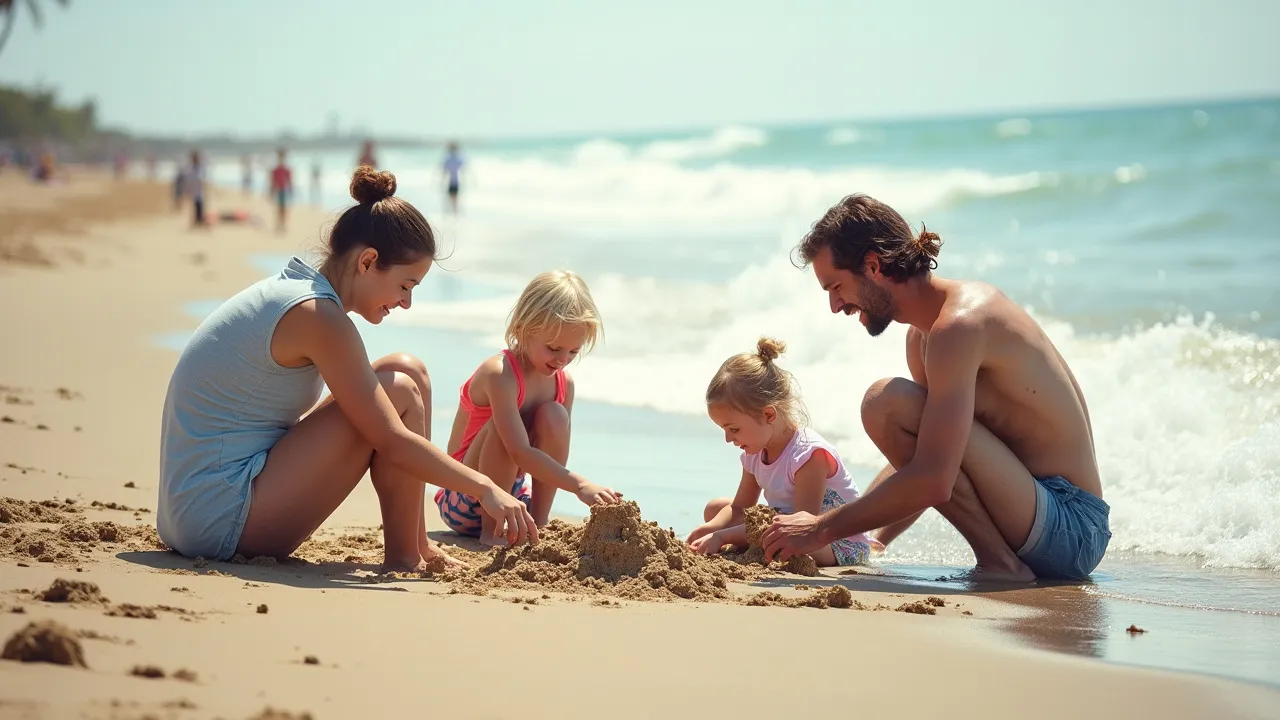
National Beach Day on August 30th celebrates the beauty and joy of beaches worldwide. Founded by Colleen Paige in 2014, it encourages people to appreciate, protect, and responsibly enjoy coastal environments.
The Historical Origins & Evolutionary Journey
National Beach Day, observed annually on August 30th, was founded in 2014 by Colleen Paige, a renowned pet and lifestyle expert who also created National Dog Day, National Cat Day, and National Wildlife Day. Paige established this observance to honor the natural beauty of beaches, promote conservation, and encourage families to spend time together by the shore.
The Foundational Catalyst
Paige's inspiration stemmed from her childhood memories of beach vacations with her family and her concern over the increasing pollution and erosion threatening coastal ecosystems. She envisioned a day that would combine fun, education, and environmental stewardship. The date August 30th was chosen as it falls near the end of summer in the Northern Hemisphere, allowing for one last celebration of the season.
Legislative/Official Adoption
Though National Beach Day has not been federally recognized by the U.S. Congress, it has gained widespread grassroots support. Many coastal cities and environmental organizations have officially proclaimed August 30th as Beach Day, organizing cleanups, educational events, and family activities. The day is also supported by the National Park Service and various marine conservation groups.
Modern Global Legacy
While the primary date is August 30th, some regions celebrate on alternate dates. For example, Brazil observes "Dia da Praia" on December 8th, while Australia holds a National Beach Day in February. However, the August 30th celebration remains the most internationally recognized, thanks to social media campaigns and partnerships with travel brands.
How to Celebrate National Beach Day
National Beach Day offers countless ways to enjoy and honor coastal environments. Below are actionable strategies for individuals, families, schools, and organizations.
For Individuals and Families
- Beach Cleanup: Bring a trash bag and collect litter along the shoreline. Many groups organize coordinated cleanups.
- Sandcastle Contest: Build creative sand sculptures and share photos with the hashtag #NationalBeachDay.
- Beach Yoga or Meditation: Practice mindfulness with the sound of waves.
- Picnic by the Shore: Pack a zero-waste lunch using reusable containers.
For Schools and Community Groups
- Organize an educational field trip to a local beach, focusing on marine biology.
- Host a "Beach Art" project using natural materials like shells and driftwood.
- Invite a marine biologist to talk about coastal ecosystems.
For Organizations and Businesses
- Sponsor a beach cleanup and provide gloves and bags.
- Offer discounts on eco-friendly beach products.
- Partner with nonprofits like Surfrider Foundation for awareness campaigns.
Global Celebrations
In Japan, families gather for "Umi no Hi" (Marine Day) in July. In Spain, August 30th is often celebrated with beach volleyball tournaments and paella cook-offs. Australia's National Beach in February includes surfing competitions and indigenous storytelling sessions.
Environmental Impact and Conservation Efforts
Beaches are fragile ecosystems facing threats from plastic pollution, climate change, and over-tourism. National Beach Day serves as a crucial platform to promote conservation.
Plastic Pollution Crisis
Approximately 8 million tons of plastic enter the ocean each year. Beach cleanups on National Beach Day have removed thousands of pounds of debris. Organizations like Ocean Conservancy use this day to launch campaigns encouraging reduced single-use plastic consumption.
Climate Change and Erosion
Rising sea levels and stronger storms accelerate beach erosion. Many coastal communities use August 30th to plant dune grasses and install sand fences. Living shorelines—using natural materials like oyster reefs—are promoted as sustainable alternatives to concrete seawalls.
Wildlife Protection
Beaches are nesting grounds for sea turtles and shorebirds. National Beach Day emphasizes the importance of giving wildlife space, turning off lights at night, and respecting nesting areas marked by signs.
- Check for local turtle nesting season before visiting.
- Keep dogs on leashes to avoid disturbing birds.
- Use reef-safe sunscreen to protect coral reefs.
Health Benefits of Spending Time at the Beach
Scientific research confirms that beach environments positively impact mental and physical health. National Beach Day encourages people to harness these benefits.
Mental Well-being
The sound of waves triggers a relaxation response, reducing cortisol levels. The color blue is associated with calmness. A 2019 study found that coastal walks significantly lower anxiety and depression.
Physical Activity
Walking on sand requires 2.5 times more energy than on pavement, strengthening leg muscles and improving cardiovascular health. Swimming in the ocean provides full-body resistance training.
Sunlight and Vitamin D
Moderate sun exposure boosts vitamin D synthesis, essential for bone health and immune function. However, the day also promotes sun safety: wear SPF 30+ and avoid peak hours between 10 a.m. and 4 p.m.
- Try beach jogging or paddleboarding for a full workout.
- Practice grounding (walking barefoot) to reduce inflammation.
Economic Impact of Beach Tourism
Beaches are major economic drivers for coastal communities. National Beach Day highlights the intersection of tourism, local business, and sustainability.
Job Creation
Coastal tourism supports millions of jobs globally, from lifeguards to hotel staff. In the U.S., beach tourism contributes over $200 billion annually. August 30th often marks the final peak season push for many small businesses.
Local Economy Boost
On National Beach Day, many towns host festivals, seafood markets, and water sports competitions, attracting visitors and generating revenue. Local artisans sell shell jewelry and handmade souvenirs.
Sustainable Tourism Practices
Over-tourism can damage fragile ecosystems. The day promotes low-impact travel: using public transport, avoiding single-use plastics, and supporting eco-certified accommodations.
- Choose hotels with beach cleanup programs.
- Patronize restaurants that source sustainable seafood.
- Offset your carbon footprint from travel.
Beach Safety and Responsible Enjoyment
Safety is paramount on National Beach Day. Following guidelines ensures a fun and accident-free experience for everyone.
Water Safety
- Rip currents: Swim parallel to shore to escape a rip current, not against it.
- Lifeguards: Swim only at beaches with lifeguard towers and obey flag warnings.
- Hydration: Drink plenty of water, as sun and wind can cause dehydration.
Sun Protection
Apply broad-spectrum sunscreen with at least SPF 30 every two hours. Wear a hat, sunglasses, and UV-protective clothing. Seek shade under an umbrella during midday.
Wildlife Encounters
Respect marine life: avoid touching jellyfish, maintain distance from seals, and never feed birds. If you see a stranded animal, notify local authorities immediately.
- Check weather forecasts before heading out.
- Keep a first-aid kit handy for minor cuts or stings.
- Never leave children unattended near water.
Cultural Significance and Artistic Inspiration
Beaches have inspired art, music, and literature for centuries. National Beach Day celebrates this cultural heritage.
In Literature
From The Beach by Alex Garland to The Old Man and the Sea by Ernest Hemingway, coastal settings symbolize adventure, introspection, and the human connection to nature.
In Music
The Beach Boys' surf rock defined a generation. Calypso and reggae often celebrate island beaches. Many coastal festivals on August 30th feature live music by the shore.
Visual Arts
Impressionist painters like Claude Monet captured the ethereal light of beaches. Today, sand sculptors create ephemeral masterpieces. National Beach Day encourages families to create their own beach art—shell mosaics, driftwood sculptures, or sunrise photography.
Historical Timeline
The U.S. National Park Service is established, including many coastal areas that become popular beach destinations.
Beach culture booms in the U.S. with surfing, bikinis, and drive-in beach movies.
Growing environmental awareness leads to the first organized beach cleanups by groups like Ocean Conservancy.
Colleen Paige founds National Beach Day to be observed on August 30th, promoting both celebration and conservation.
Surfrider Foundation partners with National Beach Day, organizing over 100 beach cleanups across the U.S.
National Beach Day goes global, with events in Australia, Japan, and Brazil.
COVID-19 pandemic shifts celebrations to virtual beach tours and social media campaigns.
Over 2 million people participate in National Beach Day activities worldwide, removing 500,000 pounds of trash.