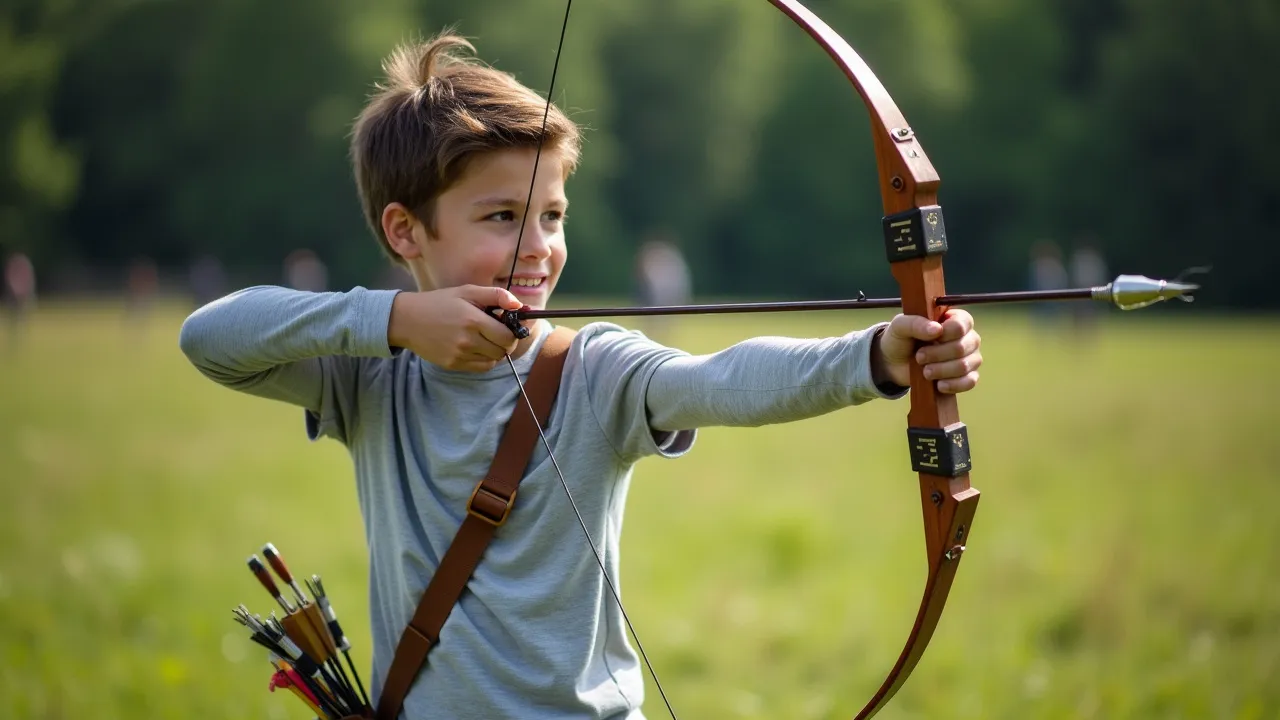
National Archery Day, celebrated on the Second Saturday in May, honors the ancient sport of archery and promotes its practice. Originating from the Archery Trade Association, this day encourages participation in target shooting, bowhunting, and educational programs worldwide.
The Historical Origins & Evolutionary Journey of National Archery Day
National Archery Day, observed on the Second Saturday in May, emerged from a concerted effort to revive and celebrate the timeless practice of archery. Established by the Archery Trade Association (ATA) in 2016, the day was designed to introduce newcomers to the sport, honor seasoned archers, and highlight archery's cultural and historical significance.
The Foundational Catalyst
The idea for a dedicated archery day originated from the ATA's desire to counteract declining participation in archery and bowhunting. In the early 2010s, the ATA launched initiatives like the Explore Archery program to make the sport more accessible. Recognizing the need for a national spotlight, they proposed a special day that would unify clubs, retailers, and enthusiasts. The first official celebration in 2016 included hundreds of events across the United States, from free lessons at local ranges to bow-building workshops.
The Legislative & Official Adoption
Although not a federal holiday, National Archery Day quickly gained recognition from state governments and archery organizations. The ATA effectively lobbied for proclamations in over 30 states by 2020, often aligning with the National Archery in the Schools Program (NASP) competitions. The date of the Second Saturday in May was chosen to coincide with the start of the outdoor archery season in most regions, offering optimal weather for range shooting and hunting preparations.
Modern Global Legacy
Today, National Archery Day has expanded beyond U.S. borders. Archery federations in Canada, Australia, and Europe have adopted similar observances, often linking them to International Bow Day or World Archery Month. The day serves as a platform for promoting archery as a lifelong sport, with emphasis on its benefits for focus, discipline, and physical fitness. Social media campaigns like #NationalArcheryDay generate millions of impressions, showcasing diverse participants from olympic athletes to backyard hobbyists.
How to Celebrate National Archery Day: A Global Guide
National Archery Day is celebrated by individuals, schools, and organizations worldwide through a variety of engaging activities. Whether you are a seasoned archer or a complete beginner, there are numerous ways to participate and honor the sport's traditions.
Individual & Family Celebrations
- Visit a Local Archery Range: Many ranges offer free or discounted sessions on National Archery Day. Check with your nearby archery club or pro shop for open house events.
- Try a New Discipline: Experiment with different bow types—recurve, compound, longbow, or even traditional horsebow archery. Each offers unique challenges and rewards.
- Host a Backyard Tournament: Set up targets at varying distances and invite friends and family for a friendly competition. Use official rules or create your own.
- Attend a Beginner Workshop: Organizations like the ATA and NASP often host introductory clinics that cover safety, equipment, and basic techniques.
School & Youth Group Activities
- Integrate Archery into PE Classes: Schools with NASP programs can organize intra-school shoots, while others can partner with local clubs for field trips.
- Educational Demonstrations: Host a session on the history of archery, from ancient hunting to Olympic sport, including hands-on exhibits of different bows.
- Art Projects: Have children design and paint target faces or create bow-and-arrow crafts using safe materials.
Community & Corporate Involvement
- Retailer Events: Archery shops can hold equipment demos, clearance sales, and bow tuning workshops. Some offer free arrow engraving or custom fitting.
- Nonprofit Partnerships: Collaborate with organizations like Adaptive Archery to provide inclusive experiences for individuals with disabilities.
- Virtual Challenges: For those unable to attend in person, participate in online leaderboards or share your best shot on social media using the official hashtag.
Internationally, celebrations vary. In the United States, the day often includes bowhunting safety courses; in the United Kingdom, traditional Longbow societies hold medieval-style shoots; in Japan, Kyudo (Japanese archery) dojos open their doors to the public. No matter the approach, the core goal is to foster appreciation for archery's precision, focus, and heritage.
The Global Impact of Archery: Cultural, Economic & Social Dimensions
Archery holds a distinct place in global culture, spanning millennia and continents. As a sport, skill, and art form, it influences economies, education, and community building.
Cultural Significance Across Civilizations
From the Egyptian pharaohs to Mongolian horsemen, archery has been a cornerstone of warfare, hunting, and mythology. Today, it remains integral to indigenous traditions, such as the Native American bowhunting ceremonies and the Korean Gungdo martial art. National Archery Day provides a platform to celebrate these diverse lineages, often featuring cultural demonstrations and storytelling.
Economic Contributions
The archery industry generates billions of dollars annually, encompassing manufacturing, retail, tourism, and media. According to the ATA, over 8 million Americans participate in archery each year, supporting jobs at ranges, pro shops, and outdoor equipment companies. National Archery Day boosts sales and visitation, with many businesses reporting a 20-30% uptick in activity during the second week of May.
Social & Educational Benefits
Programs like NASP have introduced archery to over 20 million students across 10,000 schools worldwide. Research indicates that archery improves focus, self-discipline, and hand-eye coordination. The sport is also highly inclusive, accommodating individuals of all ages and physical abilities. Adaptive archery programs allow veterans with disabilities and people with autism to participate fully, fostering social integration and confidence.
Archery in Modern Competition and the Olympic Games
Archery has been a staple of the Olympic Games since 1972 (recurve only) and continues to evolve with new formats and technologies. National Archery Day often coincides with preparation for major championships, making it a prime time for fans to engage with elite competition.
Olympic & World Championship Structure
Olympic archery uses a recurve bow with a 122cm target at 70 meters. Athletes shoot 72 arrows in the ranking round, followed by head-to-head elimination matches. The sport demands extreme precision, with top archers regularly scoring over 690 out of 720. National Archery Day events frequently include watch parties or simulated competitions mirroring Olympic rules.
Growth of Compound Archery
Although not yet Olympic, compound archery (using pulley systems) is featured in the World Archery Championships and the Asian Games. Its mechanical advantages allow for faster arrow speeds and higher accuracy, attracting a different demographic. Many clubs offer free compound trials on National Archery Day to showcase the variety within the sport.
Paralympic & Adaptive Archery
Paralympic archery categories include W1 (wheelchair) and compound open divisions. The sport is one of the most accessible for athletes with physical impairments. National Archery Day events often highlight adaptive equipment, such as mouth tabs or release aids, to promote inclusivity.
Health and Wellness Benefits of Archery
Beyond its competitive and historical aspects, archery offers profound health benefits that make it an ideal activity for all ages. National Archery Day serves as a perfect opportunity to experience these advantages firsthand.
Physical Fitness
Drawing a bow engages the back, shoulders, and chest muscles, building strength and endurance. Repeated practice improves posture and core stability. A typical session can burn 200-400 calories per hour, depending on intensity. Additionally, walking to retrieve arrows provides low-impact cardiovascular exercise.
Mental Focus & Stress Reduction
Archery requires deep concentration and mindfulness, effectively serving as a form of moving meditation. The repetitive process of aiming and releasing helps quiet the mind, reducing anxiety and improving mental clarity. Many archers report entering a 'flow state' during practice, akin to yoga or tai chi.
Social & Emotional Well-being
Participating in club events or group lessons fosters social connections. National Archery Day events often have a community feel, lowering barriers to entry and encouraging camaraderie. The sense of accomplishment from hitting a target boosts self-esteem, while the sport's emphasis on safety and etiquette teaches patience and respect.
The Future of Archery: Youth Engagement & Technological Innovation
As National Archery Day looks to the future, the sport is undergoing significant transformations through technology and youth initiatives. Ensuring archery remains relevant and accessible is a key focus of the observance.
Youth Programs & School Integration
With over 13,000 schools participating in NASP globally, archery is becoming a staple of physical education. National Archery Day often features scholarship contests, youth tournaments, and free equipment giveaways. The Explore Archery program provides certified lesson plans, making it easy for teachers to incorporate the sport.
Technological Advancements
Modern bows incorporate advanced materials like carbon fiber and aluminum, as well as sight pins, stabilizers, and release aids. Smart bows with digital tracking and virtual reality simulators are emerging, allowing practice in limited spaces. These innovations attract tech-savvy younger generations and open new avenues for training and competition.
Eco-Friendly & Sustainable Practices
The archery community is increasingly aware of environmental stewardship. Biodegradable arrows, recycled materials for targets, and eco-friendly range designs reduce the sport's ecological footprint. Some National Archery Day events include tree planting or habitat restoration projects, linking archery to conservation ethics.
Historical Timeline
Earliest evidence of arrowheads used in Africa, indicating the invention of the bow and arrow for hunting.
Composite bows developed in Asia, enabling greater power and range for warfare and hunting.
Mongol armies under Genghis Khan perfected mounted archery, conquering vast territories.
The English King Henry VIII mandated archery practice by law, reinforcing its importance in military defense.
First modern archery competition held in England, marking the sport's transition to recreation.
Fédération Internationale de Tir à l'Arc (FITA), now World Archery, founded to standardize international rules.
Archery returns to the Olympic Games after a 52-year absence, with only recurve bows allowed.
National Archery in the Schools Program (NASP) launched in the United States to promote archery in education.
First National Archery Day celebrated on the Second Saturday in May, established by the Archery Trade Association.
National Archery Day goes virtual due to the COVID-19 pandemic, with online tournaments and live-streamed coaching sessions.
Over 30 states issue proclamations recognizing National Archery Day, and participation reaches an estimated 2 million active archers in the U.S.
Plans are underway to expand National Archery Day internationally, with World Archery considering an official global observance.