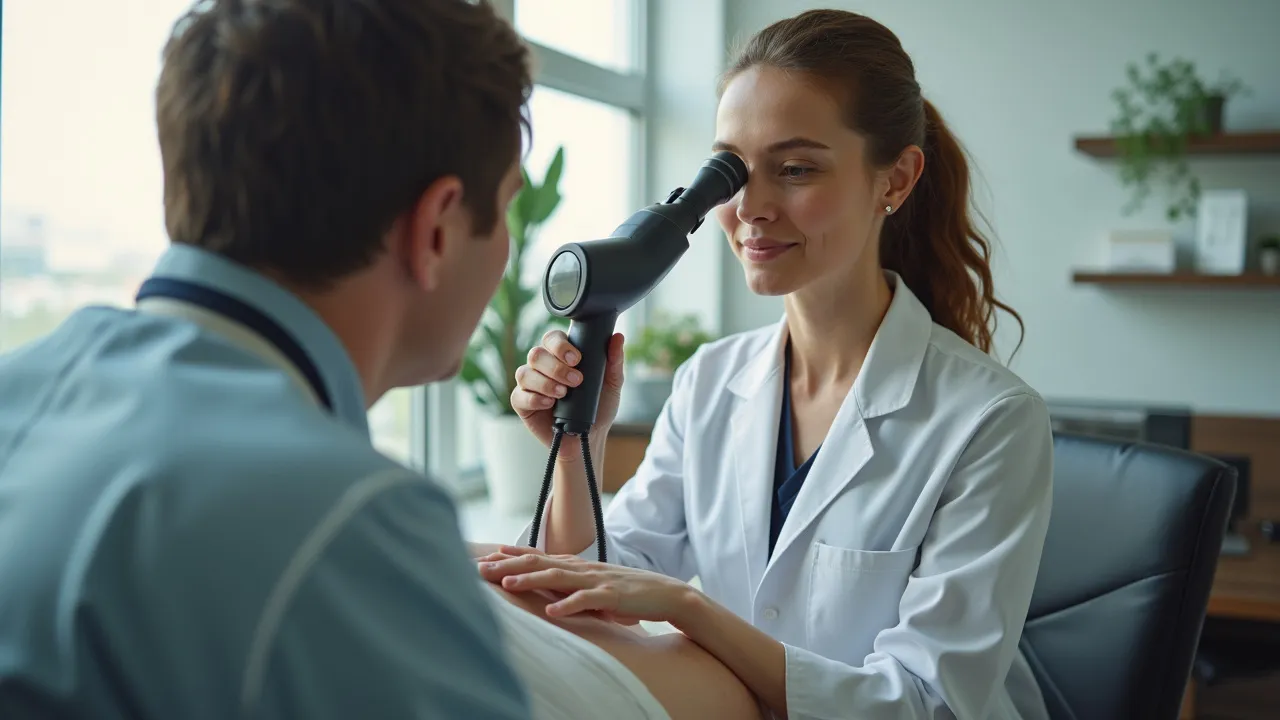
Melanoma Monday is observed on the first Monday of May to raise awareness about melanoma, the deadliest form of skin cancer. It encourages regular skin checks and sun safety practices to promote early detection and prevention.
The Historical Origins & Evolutionary Journey of Melanoma Monday
Melanoma Monday was established by the American Academy of Dermatology (AAD) as a cornerstone of Melanoma/Skin Cancer Detection and Prevention Month, which began in 1979. The day was specifically chosen as the first Monday in May to kick off the month with a focused call to action for skin cancer awareness. Over the decades, it has evolved from a simple awareness campaign into a global movement that emphasizes early detection, sun safety, and public education.
The Foundational Catalyst
In the late 1970s, melanoma incidence was rising alarmingly in the United States, prompting dermatologists to advocate for increased public awareness. The AAD spearheaded efforts to designate May as a month dedicated to skin cancer education. Melanoma Monday was later formalized as the launch day, providing a clear, memorable date for individuals to schedule skin checks and learn about prevention.
Legislative and Official Adoption
While Melanoma Monday is not a federal holiday, it has received widespread support from health organizations, including the Centers for Disease Control and Prevention (CDC), the Skin Cancer Foundation, and the World Health Organization. Many states and municipalities issue proclamations recognizing the day, and insurance companies often promote free skin screenings in conjunction with the observance.
Modern Global Legacy
Today, Melanoma Monday is observed not only in the United States but also in countries like Australia, the United Kingdom, Canada, and Germany, where melanoma rates are high. Social media campaigns such as #MelanomaMonday and #SkinCheckChallenge have amplified the message, making it a truly global event. The day now includes virtual events, educational webinars, and partnerships with influencers to reach younger audiences.
How to Celebrate Melanoma Monday
Melanoma Monday is a day for proactive health action and community engagement. Below are actionable ways individuals, organizations, and schools can participate.
Personal Actions
- Schedule a full-body skin exam with a board-certified dermatologist. Early detection saves lives.
- Perform a self-check using the ABCDE rule (Asymmetry, Border irregularity, Color variation, Diameter >6mm, Evolving).
- Share your story on social media using #MelanomaMonday to inspire others.
- Educate family and friends about sun safety, including the use of broad-spectrum SPF 30+ sunscreen.
Community and Workplace Initiatives
- Host a skin screening event at your company or community center in partnership with local dermatologists.
- Distribute sunscreen samples and educational brochures in high-traffic areas.
- Organize a "Sun Safety 5K" run or walk to raise funds for melanoma research.
Global Variations
In Australia, where skin cancer rates are extremely high, Melanoma Monday is often tied to the National Skin Cancer Action Week. In the UK, the charity Melanoma UK holds a #Skcin campaign. In Germany, the day focuses on promoting the "Healthy Skin" program in schools. Local adaptations ensure the message is culturally relevant.
The Global Impact of Melanoma Monday on Public Health
Since its inception, Melanoma Monday has contributed to significant shifts in public health outcomes. The day has increased the number of annual skin cancer screenings, improved awareness of melanoma symptoms, and promoted policy changes regarding tanning bed regulation.
Increased Screening Rates
Data from the AAD shows that Melanoma Monday campaigns correlate with a 20-30% uptick in dermatology appointments during May. Early detection has been shown to reduce melanoma mortality by up to 99% when caught in the localized stage.
Policy and Regulation Changes
Advocacy efforts tied to Melanoma Monday have led to stricter regulations on tanning bed usage among minors in several US states and countries. For example, Australia banned commercial tanning beds entirely in 2015, partly due to sustained awareness campaigns.
Global Reach and Statistics
According to the WHO, melanoma is the 19th most common cancer worldwide, with over 324,000 new cases in 2022. Melanoma Monday helps disseminate critical information to high-risk populations, including fair-skinned individuals, those with a family history, and people living in sunny climates.
The Role of Dermatologists in Melanoma Prevention
Dermatologists are at the forefront of Melanoma Monday initiatives, providing expert guidance and clinical care. Their roles encompass patient education, screening, and research.
Clinical Screening Best Practices
Board-certified dermatologists recommend annual skin exams for adults, with more frequent checks for high-risk patients. During a screening, the entire skin surface is examined using a dermatoscope, which helps identify suspicious lesions. If a mole appears abnormal, a biopsy is performed.
Patient Education
On Melanoma Monday, many dermatology practices offer free or discounted screenings. They also use the day to teach patients the ABCDE rule and the importance of sun protection: seeking shade, wearing protective clothing, and using sunscreen daily.
Research Contributions
Through organizations like the AAD, dermatologists collaborate on research that has led to breakthroughs in immunotherapy and targeted therapy for advanced melanoma. Melanoma Monday helps fundraise for these studies, underscoring the day's role in advancing treatment.
Innovations in Skin Cancer Screening and Detection
Technological advancements have transformed how melanoma is detected and diagnosed, making screening more accessible and accurate.
Dermoscopy and Mole Mapping
Handheld dermatoscopes provide magnified, polarized views of skin lesions, enabling dermatologists to identify malignant features. Mole mapping using sequential digital dermoscopy tracks changes over time, which is especially useful for patients with many atypical moles.
AI-Assisted Diagnosis
Artificial intelligence algorithms trained on thousands of skin images can now classify melanoma with accuracy comparable to dermatologists. Apps like SkinVision allow users to take photos of moles for preliminary assessment, though professional confirmation is essential.
Teledermatology
During the COVID-19 pandemic, teledermatology expanded rapidly. Patients can now send images of suspicious spots to a dermatologist for virtual consultation. Melanoma Monday often promotes these services to reduce barriers to care.
Sun Safety Advocacy: Beyond Melanoma Monday
While Melanoma Monday kicks off awareness, sun safety must be practiced year-round. This section explores ongoing advocacy efforts.
Broad-Spectrum Sunscreen Use
Dermatologists recommend using a broad-spectrum SPF 30+ sunscreen daily, even on cloudy days. Advocacy campaigns have pushed for clearer labeling and bans on ingredients that harm coral reefs. The FDA has proposed updates to sunscreen regulations to ensure safety and efficacy.
Protective Clothing and Shade
UPF-rated clothing, wide-brimmed hats, and UV-blocking sunglasses are promoted as effective sun barriers. Many schools and parks now install shade structures to protect children during outdoor play.
Policy Advocacy
Organizations lobby for policies that limit UV exposure, such as prohibiting indoor tanning for minors, requiring sunscreen in schools, and funding public awareness campaigns. Melanoma Monday often serves as a platform to announce new policy initiatives.
Patient Stories and Survivor Advocacy
Personal narratives are powerful tools for Melanoma Monday, humanizing the statistics and motivating action.
The Power of Sharing
Melanoma survivors often share their journeys on social media, describing the shock of diagnosis, the rigors of treatment, and the relief of recovery. These stories emphasize that melanoma can affect anyone, regardless of age or skin color.
Advocacy Organizations
Groups like the Melanoma Research Foundation and Miles for Melanoma host events on Melanoma Monday to connect survivors and fundraise. Their efforts provide emotional support and amplify the call for research funding.
Educational Campaigns
Survivors often participate in school talks and workplace seminars, spreading firsthand knowledge about sun safety and the importance of early detection. Their testimonials are among the most effective tools for changing behavior.
Historical Timeline
The American Academy of Dermatology (AAD) designates May as Melanoma/Skin Cancer Detection and Prevention Month, laying the groundwork for Melanoma Monday.
The AAD officially launches Melanoma Monday as a specific awareness day on the first Monday of May, aiming to increase skin cancer screenings at the start of the month.
Australia becomes the first country to ban commercial tanning beds, a major policy win tied to awareness efforts from Melanoma Monday and similar campaigns.
The FDA proposes new regulations on sunscreen safety and efficacy, influenced by rising public awareness from skin cancer advocacy.
Teledermatology expands rapidly during the COVID-19 pandemic, and Melanoma Monday promotes virtual skin checks to maintain screening access.
Artificial intelligence-based skin cancer detection apps reach 80% accuracy in clinical trials, offering new tools for early detection highlighted on Melanoma Monday.