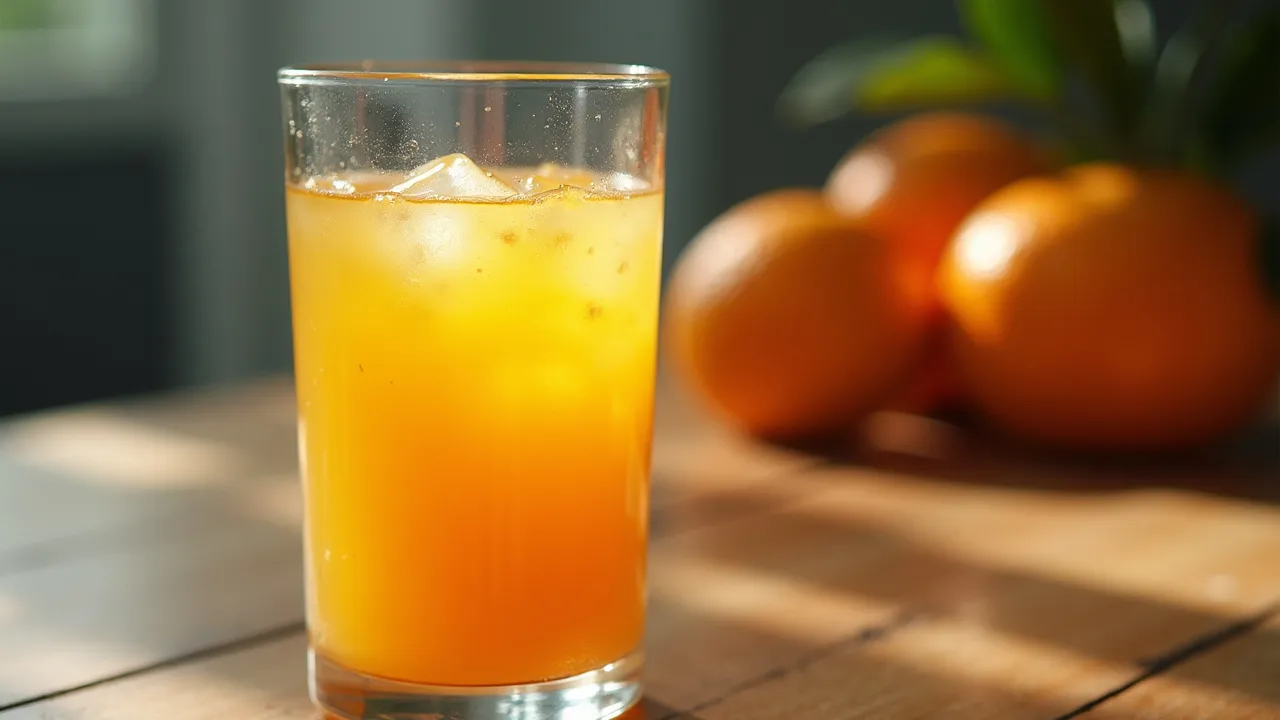
National Orange Juice Day on May 4th celebrates the beloved citrus beverage, honoring its nutritional benefits, cultural significance, and global industry. From morning rituals to health innovations, this day highlights orange juice's timeless appeal.
The Historical Origins & Evolutionary Journey
National Orange Juice Day traces its roots to the early 20th century when orange juice transitioned from a seasonal luxury to a breakfast staple. The day itself was officially promoted by the Florida Department of Citrus in the early 2000s to celebrate the state's citrus industry and encourage consumption of 100% orange juice.
The Foundational Catalyst
The journey began with the invention of flash pasteurization and frozen concentrate technology in the 1940s, making orange juice affordable and accessible year-round. Before this, fresh orange juice was limited to harvest seasons. The development of frozen concentrated orange juice (FCOJ) revolutionized the market, allowing families to enjoy OJ anytime.
The Legislative/Official Adoption
In the 1990s, the Florida Department of Citrus launched promotional campaigns to boost orange juice sales. By the early 2000s, they designated May 4th as National Orange Juice Day, aligning with the peak of the Florida orange blossom season. This date was chosen to highlight the freshness and quality of Florida oranges.
Modern Global Legacy
Today, National Orange Juice Day is recognized not only in the United States but also in countries like Brazil and Spain, which are major producers. The day serves as a reminder of the health benefits of orange juice, including its high vitamin C content and antioxidants. It also promotes sustainable farming practices within the citrus industry.
How to Celebrate National Orange Juice Day
Celebrating National Orange Juice Day can be as simple as enjoying a glass of fresh-squeezed juice, but there are many ways to make the day special. Below are actionable ideas for individuals, schools, and organizations to honor this citrusy observance.
For Individuals & Families
- Start your morning with a toast: Drink a glass of 100% orange juice with breakfast, and share a fun fact about orange juice history with your family.
- Try a new recipe: Experiment with orange juice in marinades, salad dressings, or desserts like orange sorbet or cakes.
- Visit a local orchard or farmers market: Learn about fresh citrus and support local growers.
For Schools & Educational Groups
- Host a "Juice Science" class: Explain the process of juicing, pasteurization, and the nutritional benefits of vitamin C.
- Organize a taste test: Compare fresh-squeezed, not-from-concentrate, and from-concentrate juices to explore flavor differences.
For Organizations & Businesses
- Offer free samples: Encourage employees or customers to try premium orange juice varieties.
- Promote sustainability: Discuss initiatives like using recycled orange peels for animal feed or biofuels.
Across different cultures, traditions vary. In Brazil, families often make suco de laranja with freshly picked oranges. In Spain, orange juice (zumo de naranja) is a staple at breakfast bars. The key is to celebrate the fruit's global impact.
Health Benefits & Nutritional Profile
Orange juice is hailed for its high vitamin C content, but its benefits extend far beyond immune support. One 8-ounce glass of 100% orange juice provides over 100% of the daily recommended intake of vitamin C, along with folate, potassium, and thiamine.
Key Nutrients
- Vitamin C: A powerful antioxidant that helps protect cells from damage, aids in collagen production, and enhances iron absorption.
- Folate: Essential for DNA synthesis and especially important during pregnancy.
- Potassium: Helps regulate fluid balance, muscle contractions, and nerve signals.
Health Considerations
While orange juice is nutritious, it also contains natural sugars. Moderation is key. Many studies suggest that moderate consumption (up to 8 ounces per day) does not negatively impact blood sugar levels in healthy individuals. However, those with diabetes or weight concerns should opt for whole oranges to benefit from fiber.
The bioactive compounds in orange juice, like hesperidin, have been linked to improved heart health and reduced inflammation. Always choose 100% pure juice without added sugars.
Global Industry & Economic Impact
The orange juice industry is a multi-billion dollar global market, with major producers including the United States (primarily Florida), Brazil, Mexico, and Spain. Brazil is the world's largest exporter of orange juice, supplying about 80% of the global market.
Key Production Regions
- Florida, USA: Known for its high-quality Valencia oranges. The state produces over 70% of the orange juice consumed in the United States.
- São Paulo, Brazil: The largest orange-producing region in the world, with vast citrus plantations.
- Valencia, Spain: Famous for its sweet Navel and Valencia oranges.
Industry Challenges
The industry faces threats from citrus greening disease (HLB), which devastates trees and reduces yields. Research into disease-resistant varieties and sustainable farming practices is ongoing. Climate change also poses risks to growing regions, affecting harvest timings and fruit quality.
National Orange Juice Day serves as an opportunity to support citrus farmers by choosing products from sustainable sources.
Varieties & How to Choose the Best Orange Juice
Not all orange juice is created equal. Understanding the differences can help you select the best option for taste and nutrition.
Types of Orange Juice
- Fresh-Squeezed: Made from whole oranges, typically unpasteurized. It has a short shelf life but vibrant flavor.
- Not-from-Concentrate (NFC): Pasteurized and stored in chilled containers. It retains more natural flavor than from-concentrate.
- Frozen Concentrate: Water is removed for shipping ease; consumers add water at home. Less expensive but often has a cooked taste.
How to Choose
- Look for 100% juice labels with no added sugars or preservatives.
- Check for homogenized or pasteurized to ensure safety.
- For the best flavor, opt for NFC orange juice with pulp, as it contains healthy fiber.
Experiment with different orange varieties: Navel (sweet, seedless), Valencia (juicy, slightly tart), and Blood oranges (unique berry-like flavor).
Fun Facts & Misconceptions
Here are some intriguing facts about orange juice that might surprise you.
- Orange juice is not naturally bright orange: Many commercial juices are colored to maintain consistency. Fresh-squeezed juice varies in hue.
- The term "OJ" is decades old: It was popularized in American advertising in the 1950s.
- Orange peel can be used for zest: The essential oils in the peel are used in cleaning products and perfumes.
- Contrary to myth, citrus doesn't cause kidney stones: The citrate in orange juice can actually help prevent stone formation.
Understanding these nuances enriches your appreciation on National Orange Juice Day.
Historical Timeline
Dr. Thomas B. Osborne and Lafayette Mendel discover that citrus fruits prevent scurvy due to vitamin C.
Frozen concentrated orange juice (FCOJ) is perfected by scientists at the USDA's Citrus Products Laboratory in Winter Haven, Florida.
The first commercial FCOJ is sold by Minute Maid, revolutionizing the orange juice industry.
The Florida Department of Citrus launches the iconic "Orange Juice is Not Just for Breakfast" campaign.
Not-from-concentrate (NFC) orange juice gains popularity due to improved pasteurization and packaging.
The Florida Department of Citrus officially designates May 4th as National Orange Juice Day to promote the industry.
Brazil becomes the top global exporter, producing over 50% of the world's orange juice.
The orange juice industry faces severe losses due to citrus greening disease, spurring research into resistant GMO varieties.