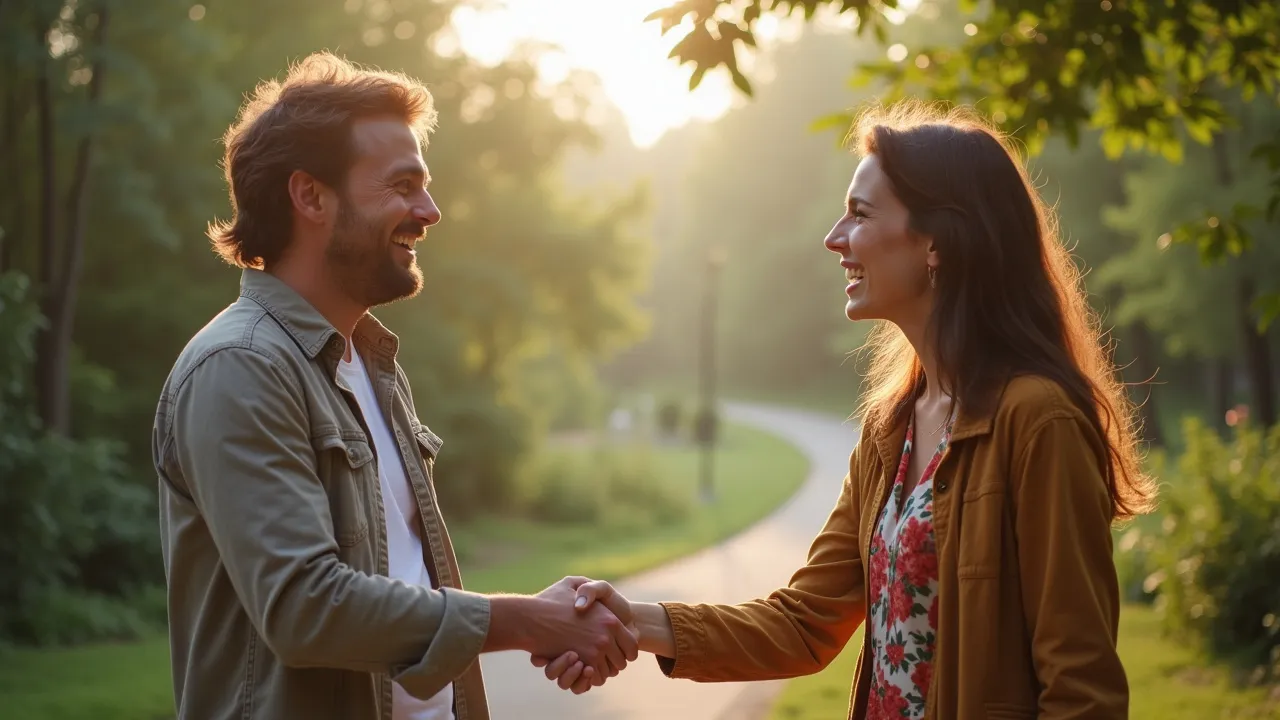
Observed on February 11th, Make a Friend Day encourages stepping out to forge new friendships. It celebrates human connection and expanding social circles.
The Historical Origins & Evolutionary Journey
Make a Friend Day, observed annually on February 11th, has a history rooted in grassroots social movements and the universal human desire for connection. Unlike many official holidays, this day emerged organically from online communities and local initiatives rather than through legislative action.
The Foundational Catalyst
The precise origin of Make a Friend Day is difficult to pinpoint due to its decentralized nature. Early mentions appear in internet forums and chat rooms during the late 1990s, where users would propose a day dedicated to reaching out to new people. These early discussions emphasized breaking down social barriers and combating loneliness, themes that remain central today. The day gained traction as internet culture expanded, with small groups in the United States and Europe adopting February 11th as a symbolic date for friendship-making activities.
Legislative & Official Adoption
Make a Friend Day has never been formally recognized by any government body or international organization. Instead, its adoption has been driven by cultural osmosis. In 2013, the National Day Calendar—a widely used reference in the United States—listed 'National Make a Friend Day' under February 11th. This listing helped standardize the date and gave the day broader visibility. Schools, community centers, and businesses began incorporating the day into their programming, often tying it to anti-bullying campaigns or team-building exercises.
Modern Global Legacy
Today, Make a Friend Day is celebrated in various forms across the globe. Social media campaigns under hashtags like #MakeAFriendDay and #FriendshipDay encourage users to share stories of new connections. The day has also evolved to include virtual friend-making, especially after the COVID-19 pandemic, which highlighted the importance of social bonds. Despite its informal status, Make a Friend Day continues to grow, reflecting a collective need for authentic human relationships in an increasingly digital world.
How to Celebrate Make a Friend Day
Make a Friend Day offers countless opportunities to build new relationships. Whether you are an individual, a school, or a corporation, the key is intentional outreach. Below are actionable strategies organized by context.
Individual Celebration Ideas
- Start a conversation: Strike up a chat with a coworker, neighbor, or fellow commuter. Ask open-ended questions about their interests.
- Attend a local event: Check community boards for meetups, book clubs, or volunteer opportunities. Libraries and cafes often host free gatherings.
- Use social media: Post a friendly invitation to connect, or join a new online group dedicated to a hobby you enjoy.
- Send a message: Reach out to an acquaintance you haven't spoken to in a while. Suggest a coffee date or virtual call.
School & Youth Group Activities
- Friendship circles: Create mixed groups of students who don't normally interact. Use icebreaker games to spark conversation.
- Buddy systems: Pair new students with experienced ones for the day. This reduces social anxiety and fosters inclusion.
- Art projects: Have students create friendship bracelets or cards to exchange with classmates they barely know.
Corporate & Organizational Initiatives
- Lunchroom mixers: Rearrange seating or introduce a 'random coffee chat' program for employees from different departments.
- Volunteer together: Organize a team volunteering event at a local shelter or park. Shared service builds camaraderie.
- Recognition boards: Encourage employees to post positive notes about colleagues they'd like to know better.
Regional Variations
While February 11th is the most recognized date, some cultures celebrate friendship on different days. For example, National Friendship Day in the United States falls on the first Sunday of August, while International Day of Friendship is on July 30th as declared by the UN. However, Make a Friend Day specifically on February 11th has a unique focus on initiating new relationships rather than celebrating existing ones. Adjust your celebrations according to local customs, but the core goal remains the same: step out and connect.
The Psychology of Friendship: Why Making Friends Matters
Friendship is not merely a social luxury; it is a psychological and physiological necessity. Studies show that strong social bonds reduce stress, increase happiness, and even prolong life expectancy. Make a Friend Day taps into this by encouraging deliberate friendship formation.
The Science Behind Connection
When we interact with friends, our brains release oxytocin and dopamine—neurotransmitters associated with bonding and pleasure. Loneliness, conversely, triggers a stress response that can lead to inflammation and chronic disease. Making a new friend, even a casual one, can counter these effects. Psychologists also note that forming friendships requires vulnerability and effort, which is why designated days like this are valuable: they lower the initial barrier by providing a socially acceptable excuse to reach out.
Overcoming Social Anxiety
Many people hesitate to initiate friendships due to fear of rejection. Make a Friend Day normalizes the act of approaching others. Simple techniques like using an icebreaker (e.g., 'Happy Make a Friend Day! Want to grab coffee?') can ease tension. Cognitive reframing—viewing the day as an experiment rather than a performance—also helps. The key is to focus on curiosity about the other person rather than self-judgment.
Long-Term Benefits
Building a diverse social network provides emotional support, intellectual stimulation, and opportunities for growth. Friends challenge our perspectives and offer honest feedback. In the workplace, friendships improve collaboration and job satisfaction. By celebrating Make a Friend Day, individuals invest in their long-term well-being.
Friendship in the Digital Age
Technology has transformed how we make and maintain friendships. Make a Friend Day in the 21st century exists at the intersection of online and offline interactions. While social media can facilitate connections, it also poses challenges like superficiality and comparison.
The Role of Social Media
Platforms like Instagram, Facebook, and Twitter allow users to discover like-minded people across the globe. Hashtags for Make a Friend Day create virtual communities where users share stories and invite others to connect. However, digital friendships often lack the depth of in-person interactions. To make the most of these tools, experts recommend transitioning online chats to video calls or real-world meetings when possible.
Online Communities and Forums
Specialized forums (e.g., Reddit, Discord servers) centered on hobbies or life stages provide fertile ground for new friendships. On Make a Friend Day, many such groups host dedicated events or introduction threads. Users can post personal introductions using templates to attract compatible friends.
Balancing Screen Time
While digital tools expand our reach, they can also hinder genuine connection. Make a Friend Day encourages a balanced approach: use apps to find nearby events, but then put the phone away during face-to-face conversations. Remember that quality trumps quantity; a few close friendships are more beneficial than hundreds of online acquaintances.
Make a Friend Day Around the World
Although February 11th is the primary date for Make a Friend Day, different countries have adapted the concept to fit their cultural contexts. Here is a look at how various regions observe friendship-themed days, with special attention to the February 11th celebration.
North America
In the United States and Canada, Make a Friend Day on February 11th is often promoted by schools and wellness organizations. Activities include 'buddy benches' on playgrounds and 'friendship speed dating' events. Some libraries host story hours focused on friendship themes.
Europe
In the United Kingdom, the day is less commercial but embraced by community groups. Informal meetups in pubs or parks are common. In Scandinavian countries, where social circles can be insular, the day encourages breaking the ice with new neighbors or colleagues.
Asia
In Japan, Friendship Day (友達の日) is celebrated on November 29th, but some expat communities observe February 11th as well. In India, the day is growing in popularity among urban youth who organize flash mobs or gift exchanges. Social media campaigns in both English and local languages amplify the message.
Oceania & Africa
In Australia, February 11th falls during summer, so beach barbecues and outdoor sports are popular ways to meet new people. In South Africa, community centers host 'friendship afternoon teas' where attendees are paired at random for conversations. The day's flexibility allows it to adapt to local climates and customs.
Despite these variations, the core principle remains universal: take a proactive step to form a new human bond. Whether through a structured event or a simple smile, Make a Friend Day transcends borders.
Impact on Mental Health and Society
Make a Friend Day has significant implications for mental health and social cohesion. At a time when loneliness is described as an epidemic, this day offers a structured approach to building protective social networks.
Loneliness and Its Consequences
Research indicates that chronic loneliness increases the risk of depression, anxiety, heart disease, and cognitive decline. In the United States, over 60% of adults report feeling lonely. Make a Friend Day directly addresses this by prompting individuals to reach out. Even a single new friendship can buffer against the negative effects of isolation.
Community Building
On a societal level, widespread participation in Make a Friend Day can strengthen community ties. When neighbors know each other, crime rates drop, and civic engagement increases. Schools that incorporate the day report reduced bullying and improved classroom atmosphere.
Workplace Productivity
Companies that encourage friendships among employees see higher retention rates and creativity. Make a Friend Day provides a low-pressure occasion for team-building without the awkwardness of forced bonding. Many HR departments now schedule cross-departmental 'friendship hours' on February 11th.
Long-Term Societal Shifts
If observed consistently, Make a Friend Day could contribute to a cultural shift toward greater openness and inclusion. The day reminds us that friendships are not just luck—they can be intentionally cultivated. As digital isolation grows, such rituals become increasingly vital for mental health and social resilience.
Historical Timeline
First known discussions about a 'Make a Friend Day' appear on internet forums, where users propose a day to reach out to new people.
Small community groups in the US and UK begin informal celebrations on February 11th, using bulletin boards and local newspapers.
Social media platforms see the first use of hashtag #MakeAFriendDay, primarily on Facebook and MySpace.
Several school districts in the US adopt Make a Friend Day into their anti-bullying curricula, encouraging buddy systems.
The National Day Calendar officially lists 'National Make a Friend Day' on February 11th, increasing national awareness.
Instagram and Pinterest fuel the day's growth with shares of friendship-themed craft ideas and party planning tips.
Facebook introduces a 'Make a Friend' event feature for local groups, enabling coordinated meetups worldwide.
During the COVID-19 pandemic, virtual celebrations surge as people use video calls and online games to make new friends.
The United Nations mentions the importance of friendship days, though no official resolution is passed for February 11th.
Global participation in Make a Friend Day reaches millions, with events in over 50 countries and trending on major social platforms.