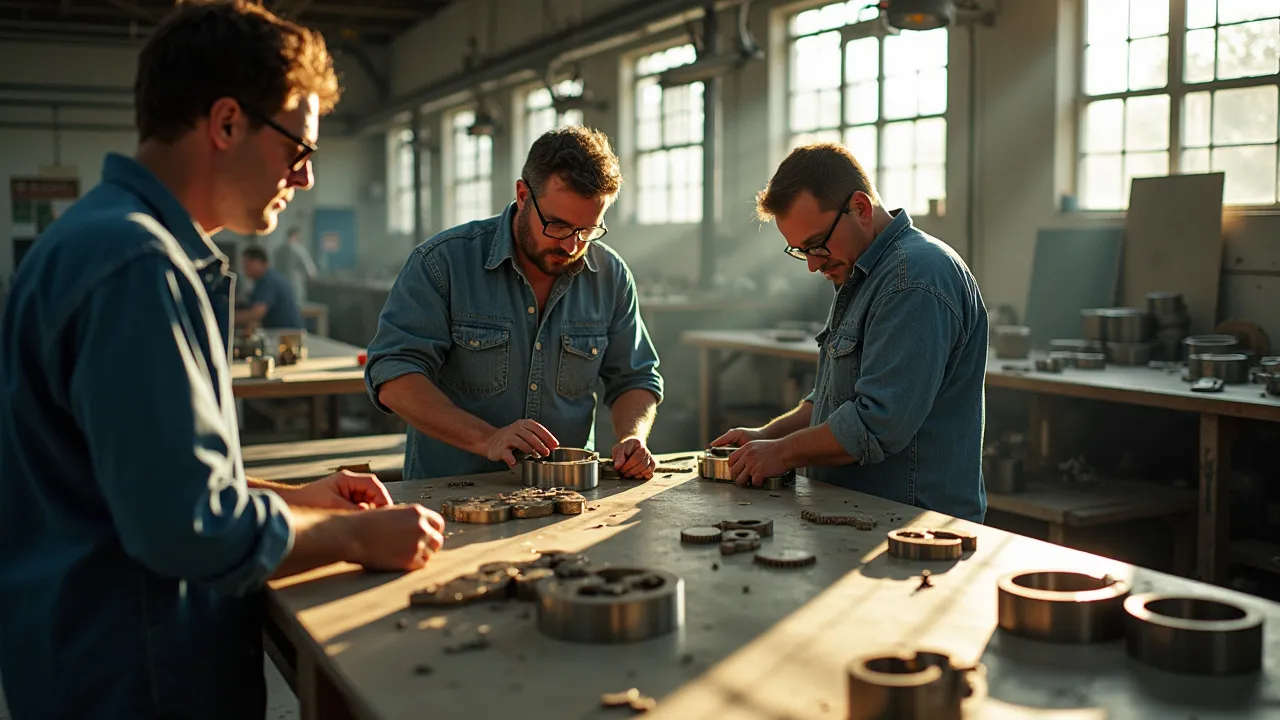
Made in the USA Day (Alt) is observed on July 2nd to celebrate American-made products and manufacturing. It encourages consumers to support local jobs by choosing goods produced domestically, reinforcing economic patriotism and quality craftsmanship.
The Historical Origins & Evolutionary Journey
Made in the USA Day (Alt) commemorates the resilience and pride of American manufacturing. Observed annually on July 2nd, the day serves as a counterpoint to the more widely recognized Independence Day celebrations, focusing specifically on the products and labor that build the nation.
The Foundational Catalyst
The movement for a dedicated "Buy American" day emerged in the 1980s as global trade agreements intensified competition. Joel Joseph, a public interest lawyer and chairman of the Made in the USA Foundation, recognized the need to remind consumers of the economic and social value of domestic goods. He proposed July 2nd because it falls between Independence Day and the traditional summer shopping season, making it a natural moment for patriotic spending.
The Legislative & Official Adoption
Although never codified as a federal holiday, the day gained traction through grassroots campaigns and local resolutions. In 1989, the first unofficial observances were held in small towns and industrial cities, featuring factory tours, parades, and store promotions. Over time, state governors began issuing proclamations, and organizations like the National Association of Manufacturers lent their support. The "Alt" designation distinguishes this version from other dates (e.g., the Saturday before July 4th) sometimes used by retailers.
Modern Global Legacy
Today, Made in the USA Day (Alt) is observed not only in the United States but also by American expatriates and international supporters of fair trade. It has evolved into a symbol of economic sovereignty, quality assurance, and environmental sustainability, as locally made goods often have smaller carbon footprints. The day is now a fixture on marketing calendars and educational curricula.
How to Celebrate Made in the USA Day (Alt)
Celebrating Made in the USA Day (Alt) goes beyond simply buying American. It involves intentional actions that strengthen local economies and honor craftsmanship. Here is a definitive guide for individuals, schools, and organizations.
For Individuals & Families
- Shop with Purpose: Check labels for "Made in USA" claims. Use online directories like Americans Working to find domestic producers.
- Host a "Made in the USA" Dinner: Prepare a meal using only ingredients sourced from U.S. farms and brands. Invite friends to discuss the importance of local sourcing.
- Visit a Local Factory: Many manufacturers offer public tours on July 2nd. Contact nearby plants to arrange a behind-the-scenes look.
For Schools & Educators
- Classroom Projects: Assign students to research a product's supply chain. Have them create posters showing the journey from raw material to finished good.
- Guest Speakers: Invite local business owners or union representatives to talk about the value of domestic manufacturing.
For Organizations & Employers
- Employee Appreciation: Recognize workers in manufacturing roles with certificates or small gifts from American artisans.
- Community Events: Partner with local chambers of commerce to host a "Made in the USA" fair featuring vendors and demonstrations.
- Procurement Policies: Review supply chains and commit to increasing domestic content by a certain percentage by next year.
In other countries, adaptations include celebrating "Buy Canadian" or "Producto Nacional" days. The core theme remains supporting local economies through conscious consumption.
Economic Impact of Domestic Manufacturing
The decision to buy American-made products directly influences employment, wages, and community stability. According to the National Association of Manufacturers, manufacturing employs over 12 million people in the United States, with an average annual compensation exceeding $80,000.
Job Multipliers
Each manufacturing job creates an estimated 2.5 additional jobs in the supply chain and local services. When consumers choose domestic goods, they help maintain this multiplier effect, preventing offshoring and its associated economic drain.
Trade Deficit Reduction
The U.S. merchandise trade deficit has exceeded $800 billion annually. A concerted shift toward domestic purchasing could reduce this gap, strengthening the dollar and lowering inflation risk. Made in the USA Day (Alt) serves as an annual reminder of this macroeconomic lever.
Industry Sectors Most Affected
- Automotive: Domestic assembly plants support thousands of jobs across parts suppliers and dealerships.
- Electronics: While many components are imported, final assembly and testing remain in the U.S. for high-end products.
- Apparel: A resurgence of “Made in USA” fashion brands has rejuvenated textile mills in the Southeast.
Environmental & Ethical Dimensions
Choosing domestic products often yields environmental benefits due to shorter transportation distances and stricter regulations. Made in the USA Day (Alt) highlights the intersection of consumer choice and planetary health.
Carbon Footprint
Imported goods travel thousands of miles by ship, plane, and truck, emitting significant CO2. For example, a T-shirt made in Bangladesh has a carbon footprint 2.5 times larger than one made in the United States, according to a study by the Carbon Trust.
Labor Standards
U.S. manufacturing is subject to rigorous workplace safety and wage laws. By buying American, consumers help protect against exploitation in countries with weaker labor protections. The day underscores the ethical imperative to avoid products made under sweatshop conditions.
Certifications to Look For
- USDA Organic (for agricultural goods)
- Green Seal (for cleaning products)
- Fair Trade USA (when domestic equivalent isn't available)
Innovation & Technological Leadership
American manufacturing has historically been a driver of innovation, from the assembly line to advanced robotics. Made in the USA Day (Alt) celebrates this spirit of ingenuity.
R&D Hubs
Many of the world's most innovative products—pharmaceuticals, aerospace components, semiconductor equipment—are still designed and made in the United States. The day encourages investment in research and development by showcasing cutting-edge domestic factories.
The Maker Movement
The rise of 3D printing and small-batch production has enabled a new generation of entrepreneurs to manufacture locally. Events on July 2nd often feature maker fairs where hobbyists and startups demonstrate their creations.
Notable American Inventions
- Polymerase Chain Reaction (PCR) – invented by Kary Mullis at Cetus Corporation in California
- Barcode scanner – developed by IBM engineers in North Carolina
- LED lighting – pioneered by Nick Holonyak at General Electric in New York
Cultural Significance & Patriotism
Beyond economics, Made in the USA Day (Alt) taps into a deep-seated cultural value: the belief that hard work, quality, and national pride are intertwined. The day reinforces a sense of identity that transcends political divides.
Symbolism of the Label
The "Made in USA" label is a voluntary mark that requires a product to be "all or virtually all" made in the United States. It has become a badge of honor for companies and a source of trust for consumers. On July 2nd, retailers often feature these products prominently.
Community Bonding
Local parades, street fairs, and block parties held on this day bring neighbors together. The shared act of celebrating domestic production fosters social cohesion and mutual support.
Media & Pop Culture
Movies like American Factory and songs like Bruce Springsteen's "Made in the USA" contribute to the narrative. Social media campaigns using #MadeInUSADay encourage user-generated content showing American-made purchases.
Historical Timeline
Joel Joseph proposes July 2nd as 'Made in the USA Day' during a meeting of the Made in the USA Foundation. First unofficial observances occur in small communities.
The U.S. Congress passes the American Goods Act, requiring stricter labeling for foreign-made products, indirectly boosting the day's relevance.
Post-9/11 economic patriotism spurs wider adoption of Made in the USA Day events, with several states issuing gubernatorial proclamations.
The Obama administration launches the 'SelectUSA' initiative to attract foreign investment, highlighting Made in the USA Day as a platform for promoting domestic manufacturing.
The Federal Trade Commission updates its enforcement policy on 'Made in USA' claims, strengthening consumer protection and making the label more meaningful.
The COVID-19 pandemic exposes supply chain vulnerabilities, leading to a record number of companies reshoring production. Made in the USA Day gains unprecedented attention.
The 'Alt' designation is popularized online to distinguish July 2nd celebrations from other retailers' promotions. Large corporations like Walmart and Home Depot begin running annual campaigns.