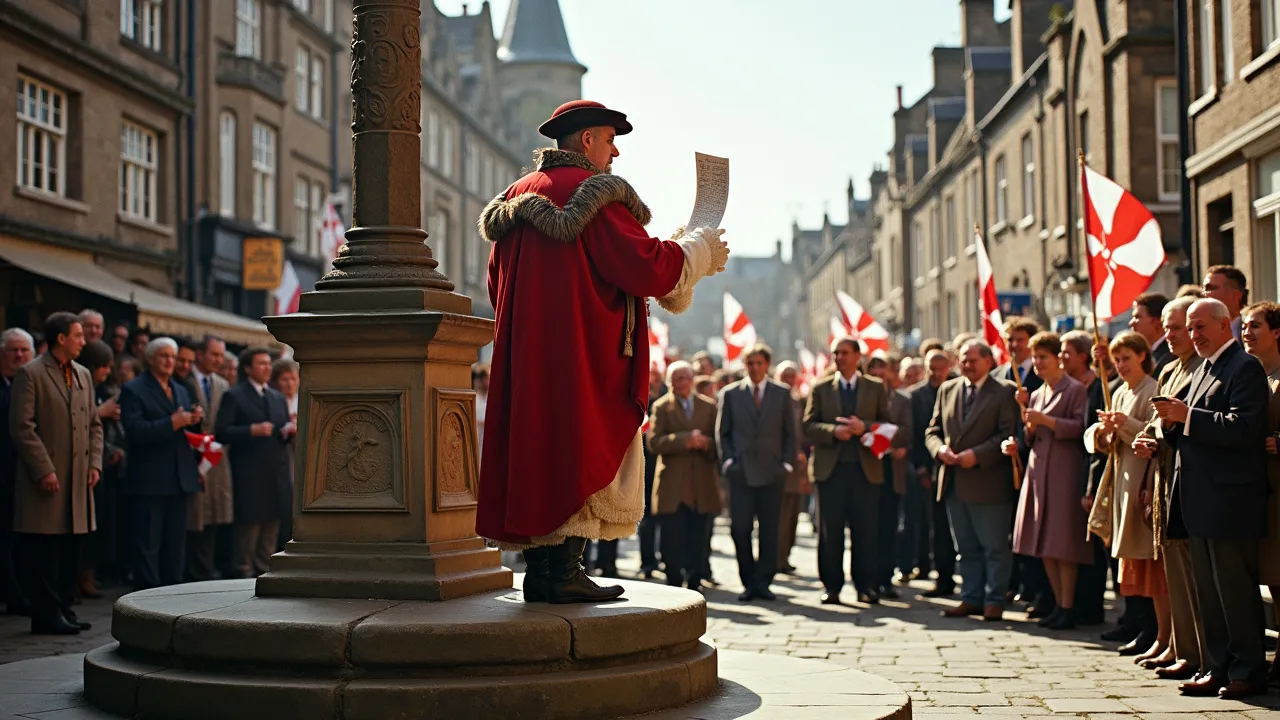
Lancashire Day (UK) is celebrated annually on November 27th to honor Lancashire's rich heritage and history. The day features town crier proclamations, the flying of the Red Rose flag, and community events across the historic county, celebrating its unique culture and identity.
The Historical Origins & Evolutionary Journey of Lancashire Day
Lancashire Day, observed annually on November 27th, is a celebration of the historic county of Lancashire in North West England. The date was chosen to commemorate the first representation of Lancashire in the English Parliament in 1295, marking a pivotal moment in the county's political identity. However, the modern observance was established much later, driven by a grassroots movement to preserve the county's heritage after administrative boundary changes in 1974.
The Foundational Catalyst
The roots of Lancashire Day trace back to the efforts of the Friends of Real Lancashire, a group formed in the early 1990s to protect the historical county boundaries. The 1974 Local Government Act had merged parts of Lancashire into neighboring counties like Cumbria and Merseyside, causing confusion about identity. The group proposed a dedicated day to celebrate all that is Lancashire, selecting November 27th due to its historical parliamentary significance. In 1996, the first official Lancashire Day was proclaimed by the High Sheriff of Lancashire, initiating a tradition that quickly gained traction.
The Legislative/Official Adoption
Local councils and civic organizations soon embraced Lancashire Day. In 2008, after a campaign by the Friends of Real Lancashire, the Red Rose flag was officially recognized as the county's emblem, and November 27th became the day to fly it proudly. The Lancashire County Council formally supports the day, and it is now listed on the UK's official events calendar. Each year, a Proclamation is read by town criers in major towns and cities, including Lancaster, Preston, and Blackburn, detailing the county's contributions and calling for celebration.
Modern Global Legacy
Today, Lancashire Day has expanded beyond the UK borders. Lancastrian diaspora communities in Australia, Canada, and the United States hold their own events, such as dinners and flag-raising ceremonies. Social media campaigns using #LancashireDay unite people worldwide. The day is also an opportunity for schools to teach local history, with lesson plans focusing on the Industrial Revolution, the Lancashire cotton mills, and famous sons and daughters like the Brontë sisters' connection (though they are from Yorkshire, it's a fun rivalry!). The growth of Lancashire Day demonstrates how a local observance can evolve into a global celebration of heritage and belonging.
How to Celebrate Lancashire Day (UK)
Celebrating Lancashire Day is a joyous way to honor the county's past and present. Whether you live in Lancashire or are part of its global community, there are many ways to participate. Below are detailed, actionable suggestions for individuals, schools, and organizations.
For Individuals and Families
- Attend a Town Crier Proclamation: Visit your local town square to hear the official Lancashire Day Proclamation. These often take place at noon, with the town crier dressed in traditional regalia.
- Fly the Red Rose Flag: Display the Red Rose of Lancaster flag outside your home or from your window. If you don't have a flag, wear red clothing or a red rose pin.
- Cook a Lancashire Meal: Prepare traditional dishes such as Lancashire hotpot, Eccles cakes, or black pudding. Share your culinary creations on social media with #LancashireDay.
- Explore Local History: Visit a local museum, historic site, or walk along the Lancashire Coastal Way. Many museums offer free entry on November 27th.
- Share on Social Media: Post about your Lancashire heritage, favourite memories, or local landmarks using the hashtag #LancashireDay.
For Schools and Educational Institutions
- Organize a Lancashire-themed day: Encourage students to wear red and white, learn about the county's geography, and study its role in the Industrial Revolution.
- Invite a Town Crier: Arrange for a town crier to visit and explain the history of the proclamation.
- Art and Writing Projects: Have students create red rose crafts, write poems about Lancashire, or draw the county's historic buildings.
- Food Tasting: Host a Lancashire food fair with samples of hotpot, parkin, and other regional specialties.
For Organizations and Businesses
- Decorate your premises: Display the Red Rose flag and red bunting. Offer a Lancashire Day special menu or discount for locals.
- Sponsor a Town Crier: Support the local proclamation by sponsoring the event or providing refreshments.
- Employee Engagement: Encourage staff to share their Lancashire connections and host a lunchtime quiz about the county.
Regardless of how you celebrate, the key is to embrace the spirit of Lancashire camaraderie.
The Cultural Significance of Lancashire Day
Lancashire Day is more than just a date on the calendar; it is a profound cultural touchstone for Lancastrians. The day reinforces a sense of pride and belonging, especially in the face of modernization and changing boundaries. It celebrates the county's unique dialect, traditions, and contributions to British life.
Language and Dialect
Lancashire has a distinct dialect, often referred to as Lanky. Words like “chippy” (fish and chip shop), “barm cake” (bread roll), and “mither” (to bother) are still used. Lancashire Day events often include storytelling in the local dialect, helping to preserve this linguistic heritage.
Music and Folklore
The county has a rich musical tradition, from the folk songs of the Lancashire Cotton Mills to the brass band contests that are still popular. Morris dancing groups from Lancashire, such as the Lancashire Clog Dancers, often perform on Lancashire Day. Folklore includes tales of the “Lantern Man” and the “Boggart”, which are shared in community gatherings.
Industrial Heritage
Lancashire was the heart of the Industrial Revolution, with cities like Manchester (historically part of Lancashire) leading in textiles, engineering, and innovation. Lancashire Day honors this legacy through museum exhibitions and talks. The Lancashire Cotton Industries once dominated world markets, and their story is a key part of the day's narrative.
Lancashire Day Traditions and Symbols
The most recognizable symbol of Lancashire Day is the Red Rose of Lancaster. This emblem dates back to the 15th-century Wars of the Roses, where the red rose represented the House of Lancaster. Today, it adorns flags, badges, and decorations. Another tradition is the Lancashire Day Proclamation, a formal document read by town criers. The proclamation highlights the county's achievements and calls on everyone to celebrate.
The Red Rose Flag
Officially adopted in 2008 after a campaign, the flag features a red rose on a yellow (or gold) background, with a red border. Flying this flag on November 27th is a simple yet powerful gesture. Many companies also create special Lancashire Day products, such as themed ale or cakes.
Food and Drink
Lancashire is famous for its cuisine, and Lancashire Day is a perfect excuse to indulge. Key dishes include:
- Lancashire Hotpot: A slow-cooked stew of lamb or mutton, onions, and potatoes.
- Eccles Cakes: Flaky pastries filled with currants and spices.
- Black Pudding: A blood sausage originating from the county.
- Parkin: A gingerbread cake made with oatmeal and treacle.
- Lancashire Cheese: A crumbly, creamy cheese that pairs well with hotpot.
Many pubs and restaurants offer Lancashire Day menus featuring these classics.
Lancashire Day in Schools and Education
Lancashire Day provides an excellent educational opportunity for schools across the county. Schools are encouraged to integrate local history into their curriculum, with many dedicating the entire week to Lancashire-themed lessons.
Primary Schools
Younger students engage in hands-on activities such as:
- Making red rose crafts from tissue paper or felt.
- Learning the Lancashire County song “The Lancashire Lads”.
- Trying traditional foods and writing descriptive words.
- Dressing up as famous Lancastrians like James Brindley (engineer) or Emmeline Pankhurst (suffragette).
Secondary Schools
Older pupils delve deeper:
- Studying the economic impact of the cotton industry.
- Analysing the poetry of John Byrom and contributions of Lancashire writers.
- Debating the 1974 boundary changes and their effect on regional identity.
- Creating projects on Lancashire's role in the Industrial Revolution and WWII.
Schools often invite guest speakers, such as local historians or town criers, to bring history to life. The educational aspect ensures that future generations understand and value their heritage.
The Future of Lancashire Day
As Lancashire Day continues to grow, its future looks bright. The observance has adapted to the digital age, with virtual events and social media campaigns expanding its reach. Plans for the future include:
- Official County Holiday: There are ongoing discussions to make Lancashire Day a public holiday within the county, similar to St. George's Day in England.
- Global Lancashire Day Network: Establishing official chapters in cities with large Lancastrian diaspora populations, such as Toronto and Sydney.
- Youth Engagement: Introducing a Lancashire Day ambassador program in schools to train young people to promote the county.
- Cultural Preservation: Using the day to fundraise for the conservation of historic buildings and dialect archives.
Challenges remain, such as overcoming the confusion between the historic county and the modern administrative areas. However, the passion of the Friends of Real Lancashire and local councils ensures that November 27th will remain a date for red roses and pride.
Historical Timeline
Lancashire sends representatives to the English Parliament for the first time, establishing the county's political identity. This date later becomes the basis for Lancashire Day.
Lancashire County Council is formed, centralizing local government. The council later supports Lancashire Day.
Local Government Act redraws boundaries, splitting the historic county. This sparks the movement to preserve Lancashire's identity.
First official Lancashire Day celebrated on November 27th, proclaimed by the High Sheriff of Lancashire.
The Red Rose flag is officially recognized as the flag of Lancashire, and November 27th becomes its designated flying day.
Lancashire Day gains annual official status with the release of the standardized Proclamation text.
Social media campaigns boost global awareness, with #LancashireDay trending in the UK.
Despite COVID-19, Lancashire Day is celebrated virtually with online events, proving its resilience.