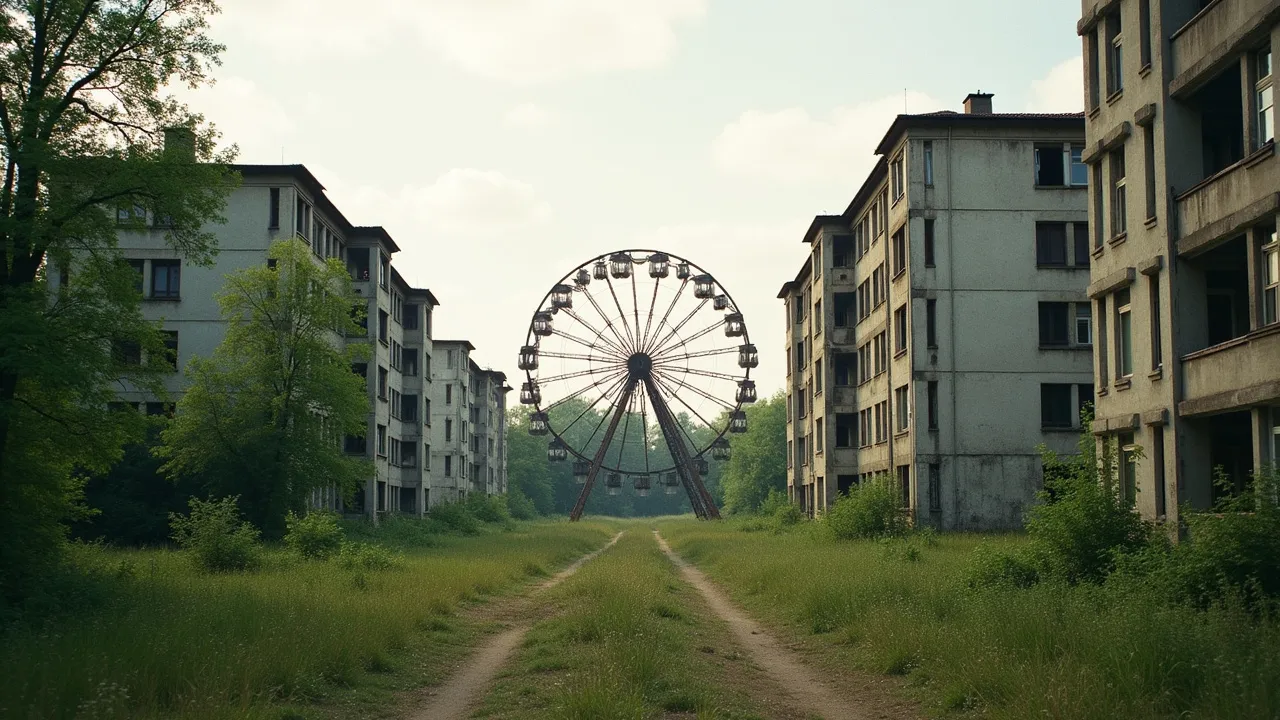
International Chernobyl Disaster Remembrance Day, observed on April 26th, honors the victims of the 1986 nuclear accident and promotes awareness of the consequences of nuclear disasters. It serves as a day of reflection on the human and environmental costs of nuclear power.
History of International Chernobyl Disaster Remembrance Day
The Foundational Catalyst
The Chernobyl disaster began on April 26, 1986, with an uncontrolled nuclear chain reaction at the Chernobyl Nuclear Power Plant in Pripyat, Ukrainian SSR. Explosions and fire released massive radioactive contamination, causing 31 immediate deaths and widespread radiation sickness. Over 350,000 people were evacuated, creating a 30-kilometer exclusion zone. The event exposed flaws in Soviet reactor design and safety culture, leading to global nuclear reassessment.
The Legislative/Official Adoption
On December 8, 2016, the United Nations General Assembly adopted resolution A/RES/71/125, designating April 26 as International Chernobyl Disaster Remembrance Day. The resolution emphasized the need for international cooperation in nuclear safety and the importance of remembering the long-term consequences. The first official observance in 2017 included ceremonies at UN headquarters, in Ukraine, Belarus, and Russia, and by diaspora communities worldwide.
Modern Global Legacy
Today, the day highlights ongoing challenges: managing the exclusion zone, monitoring health effects on survivors (including thyroid cancer and psychosocial impacts), and securing funding for containment structures like the New Safe Confinement. It also serves as a platform for promoting renewable energy and nuclear disarmament. The day fosters solidarity with affected communities and education about radiation risks.
How to Celebrate International Chernobyl Disaster Remembrance Day
Individual Actions
- Observe a moment of silence at 1:23 AM local time, the exact moment of the initial explosion.
- Watch documentaries or read books about the disaster, such as "Voices from Chernobyl" by Svetlana Alexievich.
- Donate to organizations supporting victims, like the Chernobyl Children International.
Educational and Community Events
- Schools can organize lessons on nuclear safety, environmental ethics, and disaster preparedness.
- Universities can host guest lectures by experts in radiology, ecology, or history.
- Local libraries can display exhibits on the disaster and its aftermath.
Corporate and Organizational Activities
- Companies in the energy sector can host safety seminars and reflect on lessons learned.
- Non-profits can launch awareness campaigns on social media using hashtags like #ChernobylDay.
- Governments can issue proclamations and fund memorial projects.
Global Traditions
In Ukraine, religious services and candlelight vigils are held at memorials. In Belarus, events focus on compensation and healthcare for liquidators. In Russia, NGOs organize clean-ups in affected forests. Internationally, the UN holds a commemorative conference each year.
The Environmental and Health Legacy of Chernobyl
Radioactive Contamination
The disaster released an estimated 400 times more radioactive material than the Hiroshima bomb. Cesium-137 and strontium-90 contaminated large parts of Europe, with high levels in Ukraine, Belarus, and Russia. The exclusion zone remains a unique laboratory for studying environmental recovery in heavily contaminated areas.
Health Effects
Thousands of thyroid cancer cases, especially in children, were recorded due to iodine-131 exposure. Psychological trauma and anxiety persist among evacuees. Studies have documented increased rates of leukemia, cardiovascular disease, and birth defects, though attribution remains debated.
The Exclusion Zone Today
The 2,600 sq km zone has become an accidental wilderness, with thriving populations of wolves, bears, and Przewalski's horses. However, radioactive hotspots persist. Tourism is strictly regulated, and research continues on soil and water remediation.
Global Nuclear Safety Reforms After Chernobyl
International Conventions
The IAEA Convention on Early Notification of a Nuclear Accident and the Convention on Assistance in the Case of a Nuclear Accident were adopted in 1986. The Convention on Nuclear Safety (1994) legally bound signatories to maintain high safety standards.
Design and Operational Changes
RBMK reactors (the Chernobyl type) were retrofitted with safety improvements globally. New reactor designs incorporate passive safety features. Emergency preparedness drills and severe accident management guidelines became standard.
Institutional Reforms
Countries established independent nuclear regulatory bodies. The World Association of Nuclear Operators (WANO) was founded to promote peer reviews and information sharing. The Chernobyl Forum (2003-2005) synthesized scientific findings on health and environmental impacts.
Cultural and Artistic Responses to the Chernobyl Disaster
Films and Documentaries
The HBO miniseries "Chernobyl" (2019) brought global attention to the disaster. Other important works include the documentary "The Battle of Chernobyl" (2006) and "Chernobyl: Lost Tapes" (2022). These films highlight human error, sacrifice, and cover-ups.
Literature
Svetlana Alexievich's "Voices from Chernobyl" (1997) won the Nobel Prize in Literature. Other notable books include "Midnight in Chernobyl" by Adam Higginbotham and "Chernobyl: The History of a Nuclear Catastrophe" by Serhii Plokhy.
Memorials and Art
Monuments exist in Kyiv, Minsk, and the exclusion zone. The "Crystal Memorial" in Slavutych and the "Moscow Chernobyl Memorial" are examples. Artists have used contaminated soil or materials in works to symbolize ongoing radiation risks.
Commemoration Events Around the World
Ukraine
Official ceremonies include a memorial service at the Chernobyl plant, laying flowers at the Monument to the Firefighters in Kyiv, and a moment of silence. The day is also marked by policy announcements on social support for victims.
Belarus
Belarus, which received 70% of the radioactive fallout, holds state-sponsored events honoring liquidators. Medical check-ups for affected populations are often promoted on this day.
Russia
In Russia, commemorations occur in cities like Bryansk and Kursk, with church services and public rallies organized by environmental NGOs. The Kremlin may issue statements acknowledging the disaster.
Outside the Former Soviet Union
In the United States, nuclear watchdog groups hold panel discussions. In Japan, the day has resonance post-Fukushima. European countries with Chernobyl fallout, such as Sweden and Germany, may mark the day with scientific conferences or public lectures.
Historical Timeline
On April 26, Reactor 4 at the Chernobyl Nuclear Power Plant explodes during a safety test, causing the worst nuclear accident in history. Radioactive debris spreads across Europe.
Ukraine gains independence and assumes control of the Chernobyl site. The exclusion zone is maintained and expanded.
The last operating reactor at Chernobyl is shut down, ending power generation at the plant.
The Chernobyl Forum releases a comprehensive report on the health and environmental consequences of the disaster.
The United Nations General Assembly adopts resolution A/RES/71/125, proclaiming April 26 as International Chernobyl Disaster Remembrance Day.
First official observance of International Chernobyl Disaster Remembrance Day, with events at the UN and in affected countries.
The New Safe Confinement, a massive arched structure covering Reactor 4, is completed and slid into place, preventing further radioactive release.
35th anniversary of the disaster; global commemorations highlight ongoing health and environmental challenges.