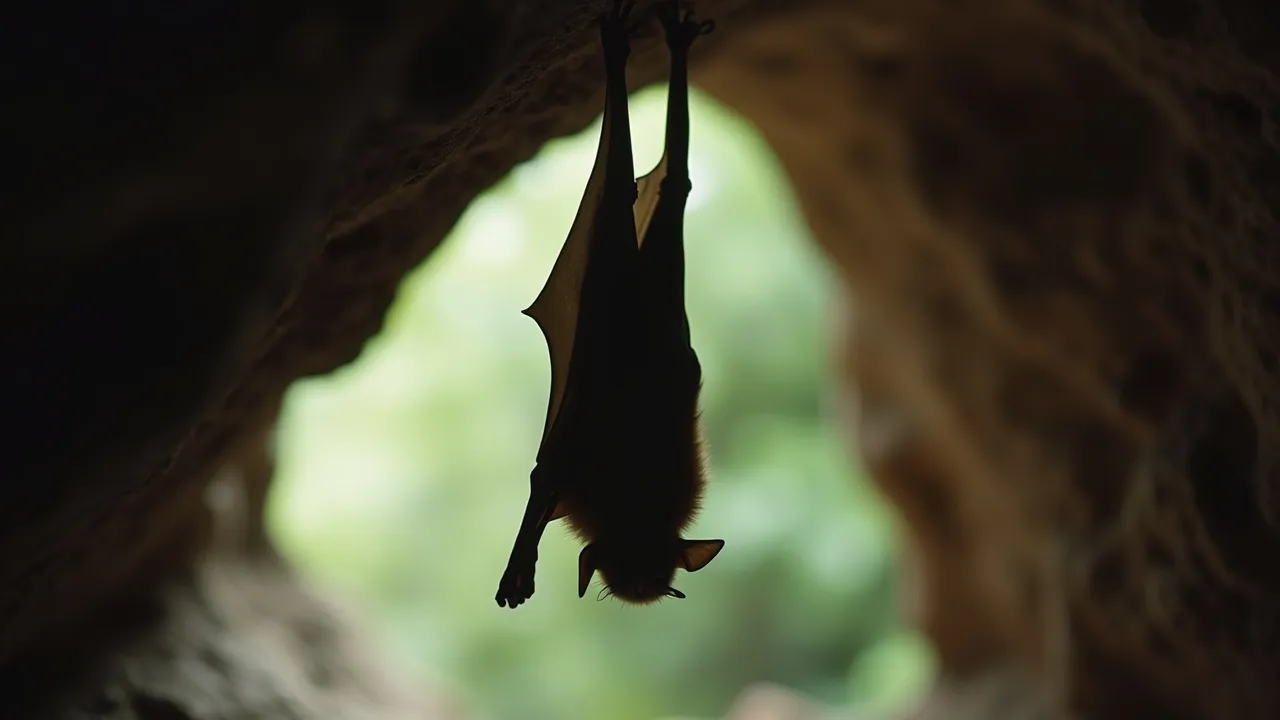
International Bat Appreciation Day on April 17th honors bats' ecological importance and dispels myths. Join conservation efforts and learn about these vital mammals.
The Historical Origins & Evolutionary Journey
International Bat Appreciation Day, observed annually on April 17th, was established in 2017 by Bat Conservation International (BCI) to promote awareness about the ecological significance of bats and to counter negative stereotypes. The date was chosen to coincide with the beginning of spring in the Northern Hemisphere, a time when bats emerge from hibernation and become active.
The Foundational Catalyst
The creation of this day was driven by alarming declines in bat populations due to habitat loss, white-nose syndrome, and human persecution. BCI recognized the need for a dedicated day to educate the public about bats' roles as pollinators, seed dispersers, and natural pest controllers. The first celebration included events at bat caves, educational webinars, and social media campaigns using the hashtag #BatAppreciationDay.
The Legislative/Official Adoption
While not an official federal holiday, International Bat Appreciation Day has been endorsed by numerous wildlife organizations, including the U.S. Fish and Wildlife Service and the IUCN Bat Specialist Group. Many zoos, nature centers, and schools now incorporate the day into their educational programming. In some countries, such as the United Kingdom and Australia, local bat groups host guided bat walks and talks.
Modern Global Legacy
Today, the day is celebrated in over 40 countries. Activities range from building bat houses to participating in citizen science projects like the International Bat Monitoring Program. The day has also spurred legislative initiatives, such as protecting bat habitats and banning harmful pesticides. Bats are now recognized as keystone species in many ecosystems, and International Bat Appreciation Day continues to grow in scope and impact.
How to Celebrate International Bat Appreciation Day
International Bat Appreciation Day offers countless opportunities for individuals, schools, and organizations to engage in bat-friendly activities. Below is a comprehensive guide to celebrating—whether at home, in the classroom, or in the community.
Individual Actions
- Educate yourself: Read books like 'The Secret Lives of Bats' or watch documentaries such as 'Bats: The Real Story.'
- Build or install a bat house: Provide safe roosting sites using plans from Bat Conservation International. Ensure it's placed 10-15 feet high on a pole or building.
- Create a bat-friendly garden: Plant night-blooming flowers (e.g., moonflowers, evening primrose) that attract nocturnal insects.
- Reduce pesticide use: Bats consume thousands of insects nightly; pesticides harm both bats and their prey.
School and Community Events
- Organize a bat walk: Partner with local bat experts to use ultrasonic detectors to hear bat echolocation calls.
- Host a film screening: Show family-friendly movies like 'The Adventures of Batman' or nature films about bats.
- Start a bat box building workshop: Use recycled wood to construct bat houses for parks or schoolyards.
- Run a bat-themed art contest: Encourage children to draw or paint bats, with prizes for accuracy and creativity.
Virtual Celebrations
For those unable to attend in-person events, many organizations host webinars, live cams of bat roosts, and online quizzes. Social media campaigns using #BatAppreciationDay help spread awareness. Participate by sharing bat facts, donating to conservation funds, or adopting a bat symbolic.
Regional Variations
In the UK, Bat Appreciation Day is part of Bat Week in October. In Australia, the day coincides with National Bat Month in April. Some Caribbean islands celebrate with bat-themed festivals highlighting fruit bats' role in forest regeneration.
The Ecological Impact of Bats: Pollination & Pest Control
Bats are among the most misunderstood yet vital animals on Earth. They provide essential ecosystem services that benefit both natural habitats and human agriculture.
Pollination Services
Over 500 plant species rely on bats for pollination, including bananas, mangoes, agave (used for tequila), and durian. Nectar-feeding bats travel long distances, transferring pollen as they feed. Without bats, these crops would decline, impacting global food supplies and economies. In tropical regions, bat pollination is critical for forest regeneration.
Natural Pest Control
A single brown bat can consume up to 1,000 mosquitoes in one hour. The 1,400+ bat species worldwide save farmers billions in pest control costs annually. Research shows that bat predation reduces crop damage from insects like corn earworm and armyworm. Integrated pest management now encourages bat conservation to decrease pesticide reliance.
Seed Dispersal and Nutrient Cycling
Fruit bats (megabats) disperse seeds over wide areas, promoting forest diversity. Bat guano (droppings) is a rich fertilizer, historically mined as saltpeter for gunpowder. Today, guano is used as a organic soil amendment. Bats also contribute to nutrient cycling in caves, supporting unique cave ecosystems.
Conserving bats directly supports biodiversity and agricultural sustainability. International Bat Appreciation Day emphasizes these benefits to inspire action.
Debunking Myths: The Truth About Bats and Rabies
Negative portrayals in movies and folklore have caused widespread fear of bats. In reality, bats are gentle, intelligent animals that pose minimal risk to humans when left undisturbed.
Myth vs. Fact
- Myth: Most bats are rabid. Fact: Less than 1% of bats carry rabies—similar to other wildlife. Human rabies cases from bats are extremely rare (0-2 per year in the US).
- Myth: Bats are blind. Fact: All bats can see, and many have excellent vision. They use echolocation for navigation in darkness.
- Myth: Bats will get entangled in hair. Fact: Bats have sophisticated flight control and avoid people entirely. They are more afraid of humans than we are of them.
- Myth: Bats are dirty and carry diseases. Fact: Bats groom themselves frequently, like cats. While they can carry diseases, proper precautions (never handling bats) eliminate risk.
Rabies Precautions
If you find a bat on the ground or inside your home, do not touch it. Contact animal control. Bats that are active during the day or unable to fly may be sick. Vaccinating pets and avoiding direct contact ensure safety. Education on this day helps reduce unnecessary bat killings due to fear.
Bat Conservation Success Stories and Global Initiatives
Conservation efforts have made significant strides in protecting bat populations. International Bat Appreciation Day highlights these successes and encourages continued support.
Saving the Indiana Bat
The Indiana bat (Myotis sodalis) was one of the first species listed as endangered under the US Endangered Species Act. Through habitat protection and captive breeding, its population has stabilized. The creation of bat gates across cave entrances prevents human disturbance while allowing bats to move freely.
White-Nose Syndrome Fight
White-nose syndrome (WNS) has killed millions of bats in North America. The fungus Pseudogymnoascus destructans disrupts hibernation. Conservation groups have developed decontamination protocols for cavers and researchers. Some bats show immunity, and research into probiotics offers hope. International cooperation is key, as WNS spread from Europe.
Global Bat Sanctuaries
Countries like Cuba, Jamaica, and Thailand have established bat sanctuaries to protect roosts. The Bracken Bat Cave in Texas houses the world's largest bat colony (20 million Mexican free-tailed bats), now a protected site. Eco-tourism to these sites educates visitors and funds conservation.
Community Initiatives
Local bat groups in the UK, Australia, and India engage citizens in monitoring and protection. The Bat Conservation Trust in the UK runs the National Bat Helpline. In Mexico, the Tequila Interchange Project promotes bat-friendly agave farming. These efforts demonstrate that conservation works when communities are involved.
Educational Activities and Bat House Building
Education is a core component of International Bat Appreciation Day. Hands-on activities engage participants of all ages.
Classroom Lessons
- Echolocation simulation: Use a blindfold and sound-producing objects to demonstrate how bats navigate.
- Bat anatomy drawing: Label wings, ears, and tail membrane; discuss adaptations for flight.
- Food web games: Illustrate bats' role as predators of insects and prey for raptors.
Bat House Construction
Building a bat house is a practical way to support local bat populations. Use untreated wood, exterior-grade plywood, or recycled materials. Dimensions should be at least 2 feet tall and 1 foot wide. Add internal roughened surfaces for roosting. Paint the exterior dark colors in cold climates (absorb heat) or light colors in hot areas. Mount bat houses on poles or buildings, facing south or east for optimal sun exposure. Remember: may take months to years for bats to occupy a new house.
Citizen Science Projects
Participate in projects like iNaturalist and Bat Detective to record bat sightings and analyze echolocation calls. Data collected helps researchers track population trends. On International Bat Appreciation Day, these projects often host special challenges.
Historical Timeline
Bat Conservation International founds International Bat Appreciation Day on April 17 to promote bat awareness.
First worldwide celebrations include bat house builds, educational events, and social media campaigns.
Virtual events due to COVID-19; online bat webinars and live cave cams attract global audiences.
The day gains official endorsements from the U.S. Fish and Wildlife Service and IUCN Bat Specialist Group.
More than 40 countries participate; citizen science projects record over 10,000 bat sightings on April 17.