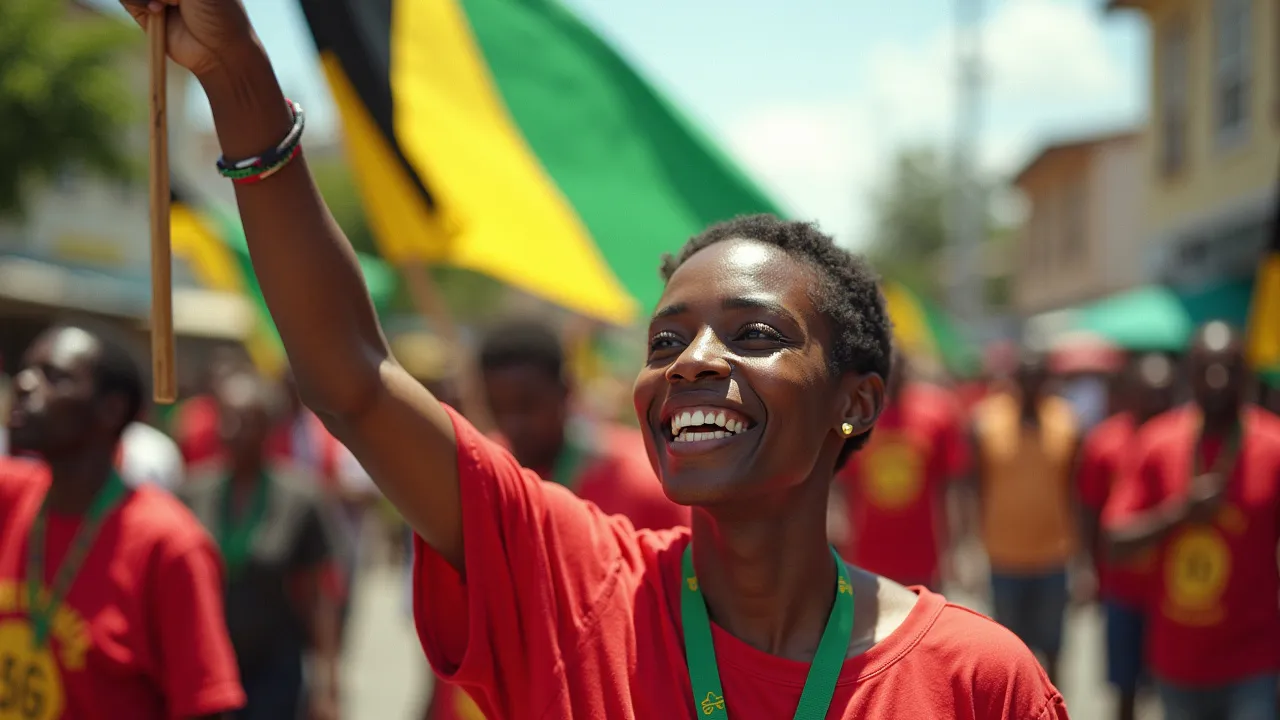
Grenada celebrates its independence from British colonial rule on February 7th, marking the nation's sovereignty since 1974. The day features vibrant parades, cultural expressions, and national pride.
The Historical Origins & Evolutionary Journey
Grenada's Independence Day, observed annually on February 7th, commemorates the nation's sovereignty achieved in 1974. This day marks the end of British colonial rule that began in the 18th century. The journey to independence was shaped by political movements, key figures, and the collective will of the Grenadian people.
The Foundational Catalyst
The push for independence gained momentum in the mid-20th century. The rise of labor unions, such as the Grenada Manual and Mental Workers Union led by Eric Gairy, catalyzed political awareness. Gairy's leadership in the 1951 general strike highlighted workers' rights and sowed seeds for self-governance. The 1967 West Indies Associated States agreement granted Grenada internal self-government, with full independence as the next logical step.
The Legislative and Official Adoption
Following negotiations with the British government, Grenada became an independent nation on February 7, 1974, with Eric Gairy as its first Prime Minister. The Independence Constitution was adopted, establishing a parliamentary democracy within the Commonwealth. The day was officially declared a public holiday by the Grenadian government, and celebrations have been held annually ever since.
Modern Global Legacy
Today, Independence Day is a symbol of national unity and cultural pride. It reinforces Grenada's identity on the global stage, promoting its history, culture, and contributions. The day also serves as a reminder of the challenges faced during the post-independence era, including the 1979 revolution and subsequent interventions, yet remains a celebration of resilience.
How to Celebrate Independence Day (Grenada)
Celebrating Grenada's Independence Day involves embracing the nation's rich culture, history, and community spirit. Whether in Grenada or abroad, here are actionable ways to observe the day.
Traditional Celebrations in Grenada
- Attend the Independence Parade: The official parade in St. George's features military displays, school bands, and cultural performances. Arrive early for a good spot.
- Participate in Cultural Events: Enjoy steelpan music, calypso competitions, and dance exhibitions that showcase Grenadian talent.
- Display National Colors: Wear red, green, and yellow (the colors of the national flag) and decorate homes and businesses with flags.
Ways to Celebrate Abroad
- Host a Grenadian Dinner Party: Cook traditional dishes like oil down (a one-pot stew), fried plantains, and spice-infused rum cocktails.
- Share on Social Media: Post historical facts, photos, and messages of pride using hashtags like #GrenadaIndependence.
- Organize a Community Gathering: Connect with local Grenadian diaspora groups for joint celebrations.
For Schools and Organizations
- Educational Events: Teach students about Grenada's history and independence journey through presentations and art projects.
- Corporate Celebrations: Decorate offices, host a cultural day with Grenadian music, and encourage employees to share stories.
Cultural Significance and National Identity
Independence Day is a cornerstone of Grenadian national identity, reinforcing pride and unity. The observance highlights the island's unique blend of African, European, and indigenous influences.
Symbols of Independence
- The National Flag: Adopted on independence day, the flag's red border represents courage, green symbolizes agriculture, and yellow stands for the sun and the people's wisdom. The seven stars represent the seven parishes.
- The National Anthem: 'Hail Grenada' was officially adopted in 1974 and is sung at independence ceremonies.
Cultural Expressions
Music and dance play a central role. Calypso and soca songs often reflect on independence themes. The annual Spicemas festival, though separate, is influenced by independence-era cultural revival. Traditional storytelling and oral history are also emphasized during the celebration.
Global Impact and Diaspora Engagement
Grenada's independence inspires the global community and strengthens ties with its diaspora. Many Grenadians abroad organize events to maintain cultural roots and promote the country.
Diaspora Celebrations
- In the United States: Major cities like New York and Miami host parades and galas. The Grenada Independence Day Committee in New York organizes annual festivities.
- In the United Kingdom: Events are held in London and other cities, often including church services and cultural showcases.
- In Canada: Toronto's Grenadian community holds flag-raising ceremonies and heritage dinners.
International Recognition
Independence Day is recognized by the United Nations as a national day. It offers opportunities for diplomatic engagements and cultural exchanges. Grenada's independence also serves as a model for small island states asserting sovereignty.
Economic and Tourism Impact
Independence Day has significant economic implications, particularly for tourism and local businesses.
Boost to Tourism
The week leading up to February 7th is a peak tourist period, with visitors drawn to cultural events. Hotels, restaurants, and tour operators offer special packages. Cruise ships often schedule stops to coincide with celebrations.
Local Business Opportunities
Craft Vendors: Artisans sell flags, clothing, and souvenirs featuring independence motifs.
Food Stalls: Street vendors offer traditional Grenadian cuisine, generating income for small entrepreneurs.
Entertainment Industry: Musicians, performers, and event planners benefit from increased demand.
Independence Day Traditions and Rituals
Over the decades, specific traditions have become integral to Grenada's Independence Day.
Official Ceremonies
- Flag-Raising Ceremony: Held at the National Stadium or Queen's Park, featuring the Prime Minister and Governor-General.
- Presidential Address: A televised speech reflecting on national achievements and challenges.
- Military Parade: The Royal Grenada Police Force and Defence Force march in full regalia.
Community Traditions
- Street Parties: Neighborhoods host block parties with music, dancing, and food.
- Fireworks Displays: Evening fireworks light up the sky over St. George's.
- Church Services: Many attend interfaith services to give thanks.
Educational and Charitable Activities
Schools often hold independence quizzes and essay competitions. Some communities organize blood drives or clean-up campaigns to give back.
Historical Timeline
First European settlement attempt by the British fails; Grenada remains inhabited by indigenous Caribs.
Grenada formally becomes a British colony under the Treaty of Paris.
Eric Gairy leads the general strike, demanding better working conditions and political reforms.
Grenada becomes an Associated State of the United Kingdom, gaining full internal self-government.
Grenada officially gains independence from Britain, with Eric Gairy as the first Prime Minister.
The People's Revolutionary Government overthrows Gairy; Grenada becomes a socialist state led by Maurice Bishop.
U.S.-led invasion restores constitutional governance; interim government established.
Democratic elections held, ushering in continued parliamentary democracy.
Hurricane Ivan devastates Grenada; independence celebrations are subdued but focus on rebuilding.
Grenada celebrates 50 years of independence with grand festivities and reflection on national progress.