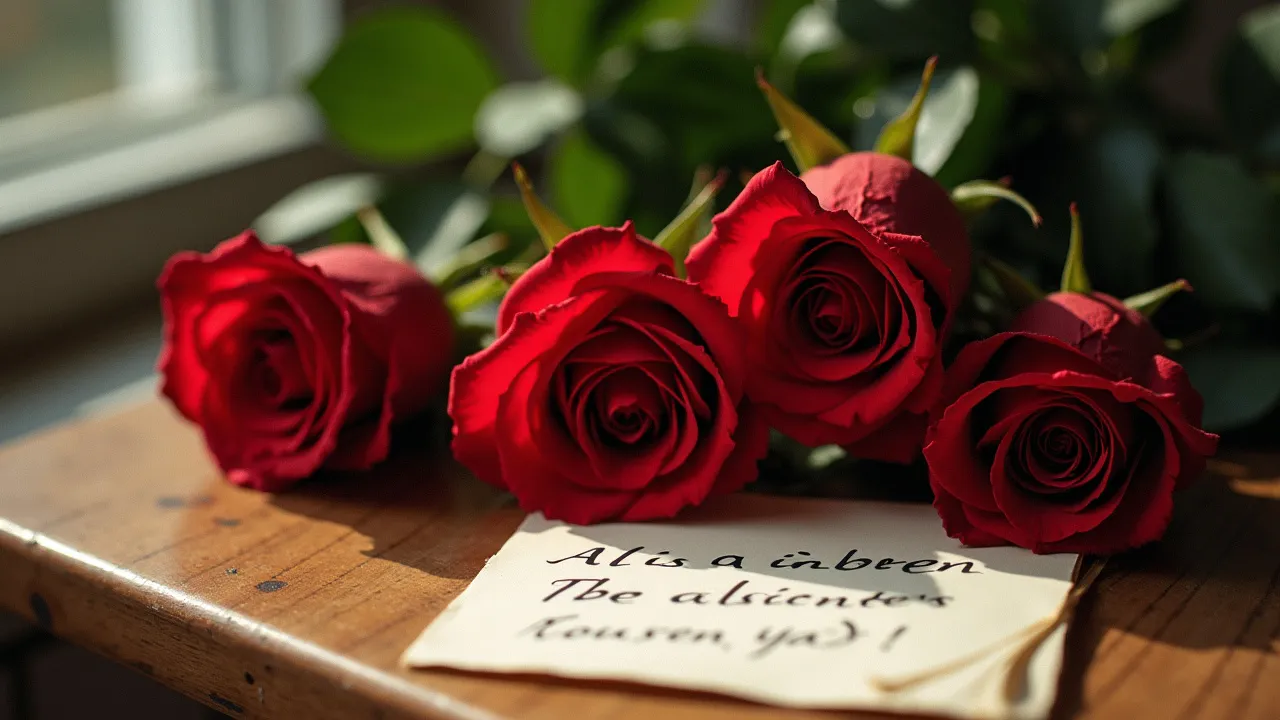
Rose Day, observed on February 7th, kicks off Valentine's Week with the timeless tradition of giving roses. It's a day to express love, friendship, and appreciation through the language of flowers.
The Historical Origins & Evolutionary Journey
Rose Day, celebrated annually on February 7th, marks the beginning of Valentine's Week in many cultures, particularly in India, the Philippines, and parts of the Middle East. While the exact origins of this dedicated day are unclear, its roots lie in the broader tradition of courtly love and flower symbolism that dates back centuries.
The Foundational Catalyst: Flower Symbolism
The rose has been a symbol of love and passion since ancient times. In Greek mythology, the red rose was created by the goddess Aphrodite, representing eternal love. During the Victorian era, the "language of flowers" (floriography) made the rose a secret messenger of emotions. This cultural foundation made the rose the perfect emblem for a dedicated day.
The Legislative/Official Adoption
No single government or organization officially declared February 7th as Rose Day. Instead, it evolved organically from the commercial Valentine's Week phenomenon. In the 1930s, greeting card companies began promoting a week-long celebration leading up to Valentine's Day. By the 1950s, February 7th became informally known as Rose Day, especially in countries where the greeting card and florist industries were strong. The date stuck due to its position exactly one week before Valentine's Day.
Modern Global Legacy
Today, Rose Day is celebrated worldwide, though most prominently in South Asia and the Middle East. In India, it has become a massive cultural event, with millions of roses sold. Social media has amplified the day, with hashtags like #RoseDay trending. The meaning has expanded beyond romantic love to include friendship and familial bonds, with yellow roses for friends and pink for gratitude.
How to Celebrate Rose Day
Rose Day is about more than just buying a bouquet. To celebrate authentically, follow these actionable strategies tailored for individuals, schools, companies, and cultural contexts worldwide.
For Individuals & Couples
- Choose the Right Color: Red for romantic love, yellow for friendship, white for sympathy or new beginnings, pink for admiration. Learn the local color meanings.
- Personalize the Gift: Attach a handwritten note explaining why you chose that color. For example, "This yellow rose represents the sunshine you bring to my life."
- Surprise Delivery: Arrange for a rose to be delivered to their workplace or home for an extra touch. Use local florists for freshness.
For Schools & Educational Institutions
- Rose Day Activity: Organize a "Secret Rose" exchange where students give anonymous roses to classmates to promote kindness.
- Art Contest: Have students create rose-inspired artwork and discuss the history of flower symbolism.
For Companies & Organizations
- Employee Appreciation: Give each employee a single rose with a personalized note from management. Use team-specific colors to foster unity.
- Client Gifts: Send rose arrangements with a card thanking clients for their partnership. This strengthens business relationships.
Cultural Variations
In Saudi Arabia, Rose Day is often celebrated privately due to cultural norms. In the UK, it's less commercial but still observed. In the Philippines, it's integrated into the longer Valentine's celebration. Adapt your celebration to local customs.
Symbolism & Cultural Significance of Roses
Roses are not just beautiful; they carry deep symbolic weight across cultures. Understanding this symbolism enriches the Rose Day experience.
Color Meanings
- Red Rose: Passionate love, desire, respect. The most iconic Rose Day gift.
- White Rose: Purity, innocence, new beginnings. Often used in weddings or for remembrance.
- Yellow Rose: Friendship, joy, caring. Perfect for platonic relationships.
- Pink Rose: Admiration, gratitude, sweetness. Ideal for parents or mentors.
- Orange Rose: Enthusiasm, fascination. For new relationships or exciting ventures.
Cultural Significance
In Hinduism, the rose is associated with the goddess Lakshmi. In Christianity, the red rose symbolizes the blood of martyrs and the Virgin Mary. In Sufi poetry, the rose represents divine love. This universal appeal makes roses the perfect ambassador for emotions.
Global Economic & Environmental Impact
Rose Day generates massive economic activity, from flower farms to logistics. However, it also poses environmental challenges. Understanding this impact fosters responsible celebration.
Economic Boom
The global cut-flower industry is worth over $40 billion, with roses making up 30% of sales. On February 7th, florists in India report a 500% increase in sales. Kenya, Ethiopia, and Colombia are major exporters. This day supports millions of livelihoods.
Environmental Concerns
Carbon Footprint: Imported roses travel by air, emitting large amounts of CO2. A single bouquet can have a footprint equivalent to driving 50 miles.
Pesticides: Conventional rose farms use heavy chemicals, harming local ecosystems and workers.
Water Usage: Roses are thirsty; one rose requires about 2 gallons of water to grow.
Sustainable Alternatives
Choose locally grown, seasonal roses from farmers' markets.
Opt for organic or Fair Trade certified roses to support ethical practices.
Consider potted rose plants instead of cut flowers to reduce waste.
Rose Day in Popular Culture & Media
Rose Day has permeated films, music, and social media, shaping modern romantic rituals. Recognizing its cultural footprint helps understand its significance.
Film & Television
In Bollywood, Rose Day scenes often depict grand gestures: in movies like "Dilwale Dulhania Le Jayenge" (1995), rose petals mark romantic milestones. Western films like "American Beauty" use the rose as a symbol of obsession and beauty. Television shows often feature Rose Day episodes where characters exchange roses.
Social Media Trends
Platforms like Instagram and TikTok see surges of #RoseDay content. Influencers post unboxing videos of rose bouquets, and couples share elaborate setups. This digital celebration has globalized the tradition, inspiring young generations.
Health & Emotional Benefits of Giving Roses
Beyond aesthetics, giving and receiving roses has documented psychological and health benefits. This scientific lens adds depth to Rose Day.
Psychological Impact
- Boosts Mood: Flowers trigger dopamine release, reducing stress and anxiety. A study by Rutgers University found that flowers create immediate happiness.
- Strengthens Relationships: The act of giving a rose communicates care, reinforcing social bonds. Couples who exchange flowers report higher relationship satisfaction.
- Symbol of Gratitude: Giving a rose with a thank-you note fosters positive emotions in both giver and receiver.
Physical Health
Being around roses can lower blood pressure and promote relaxation. Their scent, used in aromatherapy, reduces cortisol levels. Some studies suggest that visual exposure to flowers improves cognitive performance.
Historical Timeline
Roses are associated with Aphrodite, the goddess of love. The red rose is said to have sprung from her tears and the blood of Adonis.
Floriography, the language of flowers, becomes popular. Roses are used to send secret messages of love, friendship, and even rejection.
The first commercial Valentine's Day cards are mass-produced in the United States, laying groundwork for Valentine's Week.
Greeting card companies begin promoting a week-long celebration leading up to Valentine's Day, including a day dedicated to roses.
February 7th informally becomes known as 'Rose Day' in many countries, especially in India and the Philippines, due to florist marketing.
Rose Day gains massive popularity in India with the rise of the middle class and Western influence. Television and films romanticize the day.
Social media platforms like Orkut and later Facebook amplify Rose Day, leading to widespread digital celebrations.
Environmental concerns about cut-flower imports lead to a rise in sustainable, locally grown rose options for Rose Day.
Rose Day sees record sales of over $2 billion globally, with India alone selling 100 million roses. Social media trends include 'Rose Day Challenges'.