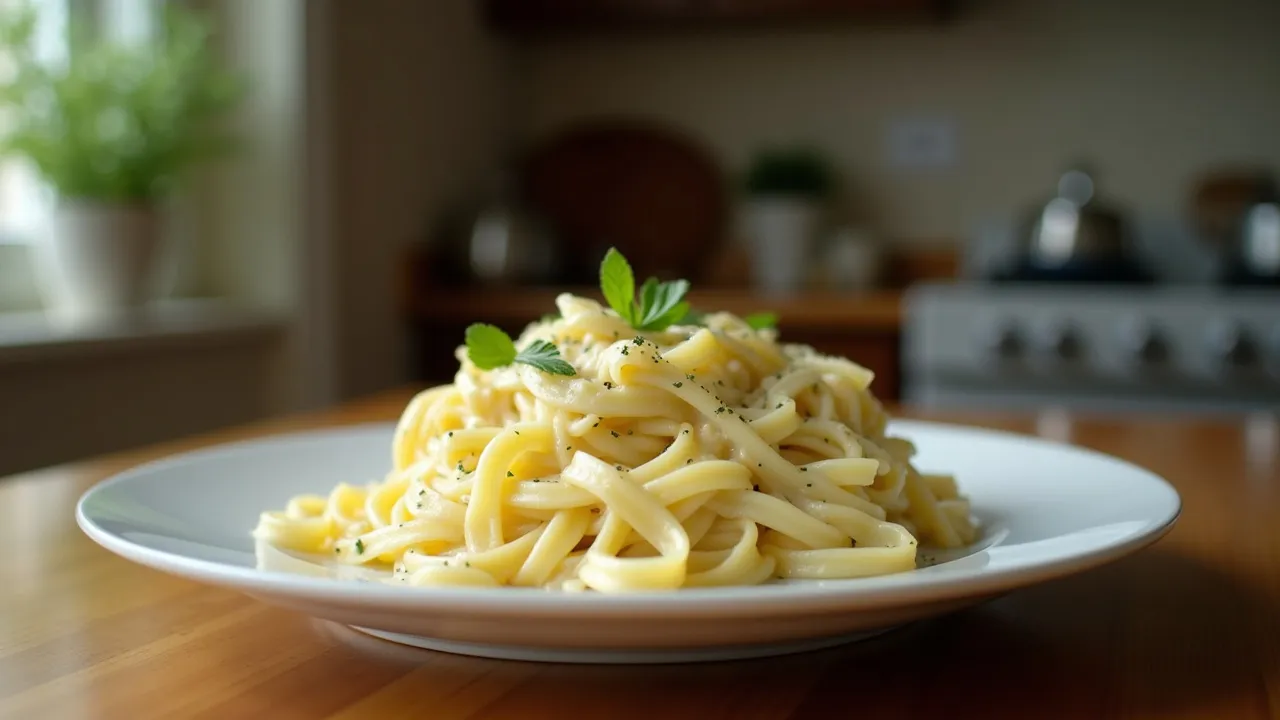
National Fettuccine Alfredo Day on February 7th celebrates the creamy, buttery pasta dish beloved worldwide. Discover its Roman origins, evolution, and ways to indulge in this comfort food.
The Historical Origins & Evolutionary Journey
National Fettuccine Alfredo Day, observed annually on February 7th, honors one of the world's most beloved pasta dishes. Its roots trace back to early 20th-century Rome, where chef Alfredo di Lelio created the original recipe.
The Foundational Catalyst
In 1908, Alfredo di Lelio opened a restaurant in Rome on Via della Scrofa. The story goes that his wife, Ines, lost her appetite after childbirth. To entice her, Alfredo tossed fresh fettuccine with butter and Parmesan cheese, creating a simple, rich sauce. The dish became a hit with locals and tourists alike.
The American Adaptation
Fettuccine Alfredo gained international fame in the 1920s when American movie stars like Mary Pickford and Douglas Fairbanks visited Rome. They brought the recipe back to the United States, where it evolved into a heavier version using heavy cream and additional ingredients like garlic and parsley.
Modern Global Legacy
Today, Fettuccine Alfredo is a staple in Italian-American cuisine and appears on menus worldwide. National Fettuccine Alfredo Day celebrates its creamy, comforting appeal. While the original recipe uses only butter and Parmesan, modern variations include chicken, broccoli, shrimp, and even vegetables like spinach.
Key milestones in its history include:
- 1908: Alfredo di Lelio invents the dish in Rome.
- 1927: Hollywood stars popularize it in the US.
- 1970s: Heavy cream becomes a common addition.
- 1995: National Fettuccine Alfredo Day is first observed (unofficially).
How to Celebrate National Fettuccine Alfredo Day
Celebrating on February 7th can be as simple or elaborate as you wish. Here are actionable ideas for individuals, families, and organizations:
At Home: The Classic Feast
- Prepare authentic Alfredo di Lelio recipe: fresh fettuccine, butter, and Parmigiano-Reggiano. Skip the cream for tradition.
- Host a pasta party with friends, offering toppings like grilled chicken, shrimp, or roasted vegetables.
- Pair with a crisp white wine, such as Pinot Grigio or Chardonnay.
In Schools: Culinary Education
- Teach students the history of fettuccine Alfredo.
- Organize a cooking demonstration or contest.
- Discuss the science of emulsifying butter and cheese.
At Restaurants: Specials & Promotions
- Offer a limited-time Fettuccine Alfredo with house-made pasta.
- Donate a portion of proceeds to food charities.
- Create a signature twist, like truffle Alfredo or Alfredo pizza.
Global Variations
In Italy, the dish remains butter-and-cheese only, while in the US, cream-based versions dominate. Some countries add local spices or proteins. For example:
- Brazil: Often served with catupiry cheese.
- Japan: May include mentaiko (spicy cod roe).
- India: Prepared with Indian cheese or paneer.
Global Impact & Cultural Significance
Fettuccine Alfredo has transcended its humble Roman origins to become a global comfort food. Its rich, creamy texture appeals across cultures, and it has been adapted in myriad ways. The dish symbolizes indulgence and simplicity, often evoking nostalgia for home-cooked meals.
Economic Impact
The pasta industry thrives on popular varieties like fettuccine. National Fettuccine Alfredo Day boosts sales of cheese, butter, and pasta, particularly in February when comfort foods are in demand.
Social Media Trends
On platforms like Instagram and TikTok, Fettuccine Alfredo videos garner millions of views, especially those showing cheesy pulls and creamy sauces. The hashtag #FettuccineAlfredoDay trends annually on February 7th.
Health Considerations
Traditional Alfredo is high in calories and saturated fat. Healthier versions use whole wheat pasta, low-fat milk, or cauliflower-based sauces. The day also encourages mindful eating and portion control.
Culinary Science: The Art of Emulsification
Creating the perfect Alfredo sauce involves a delicate chemical process: emulsification. When butter and Parmesan are combined, the fat molecules disperse into the water from the pasta, creating a creamy sauce. Key factors include:
Pasta water: Starchy water helps bind sauce.
Temperature: Gentle heat prevents breaking.
Cheese quality: Freshly grated Parmigiano-Reggiano melts smoothly.
Common mistakes include using pre-shredded cheese (contains anti-caking agents) and overheating, which causes oil separation. Mastering this technique elevates home cooking.
Recipe Modifications
Add garlic or nutmeg for depth.
Substitute Pecorino Romano for a saltier kick.
Use cream for a thicker, American-style sauce.
Festive Traditions & Community Events
Across the United States, February 7th sparks community events. Many Italian-American organizations host pasta dinners, cooking classes, and charity fundraisers. Some notable traditions include:
Alfredo di Lelio Tribute in Rome
The original restaurant, now Il Vero Alfredo, holds special tastings. Tourists and locals gather to enjoy the authentic recipe.
Pasta-Making Workshops
From Seattle to Miami, culinary schools offer hands-on classes teaching fresh pasta and sauce preparation.
Corporate Celebrations
Companies often cater fettuccine alfredo for employee lunches, fostering team spirit. Some host fundraising challenges: for each plate sold, a donation goes to hunger relief.
Resources & Further Reading
Explore the dish's heritage through these authoritative sources:
- Books: Pasta: The Story of a Universal Food by Silvano Serventi and Françoise Sabban.
- Documentaries: “The History of Fettuccine Alfredo” on YouTube.
- Websites: National Pasta Association (www.ilovepasta.org) and Alfredo di Lelio official site.
For recipes, trusted sites include Serious Eats and Bon Appétit, which test for authentic, foolproof results.
Historical Timeline
Alfredo di Lelio creates fettuccine alfredo in Rome, Italy, using fettuccine, butter, and Parmigiano-Reggiano to help his wife regain her appetite.
Alfredo opens his own restaurant, 'Alfredo alla Scrofa', which becomes a destination for the dish.
American film stars Mary Pickford and Douglas Fairbanks visit Rome, fall in love with the dish, and bring the recipe to the United States.
Fettuccine alfredo appears on menus in New York City Italian restaurants, often adapted with heavy cream to suit American palates.
The dish gains mass popularity in the US after being featured in the movie 'The Godfather' (though in the film it's spaghetti).
Chain restaurants like Olive Garden and The Cheesecake Factory popularize creamy fettuccine alfredo nationwide.
National Fettuccine Alfredo Day is unofficially recognized by food bloggers and calendar sites, set for February 7.
During the COVID-19 pandemic, home cooking surges, and fettuccine alfredo becomes a trending comfort food on social media.