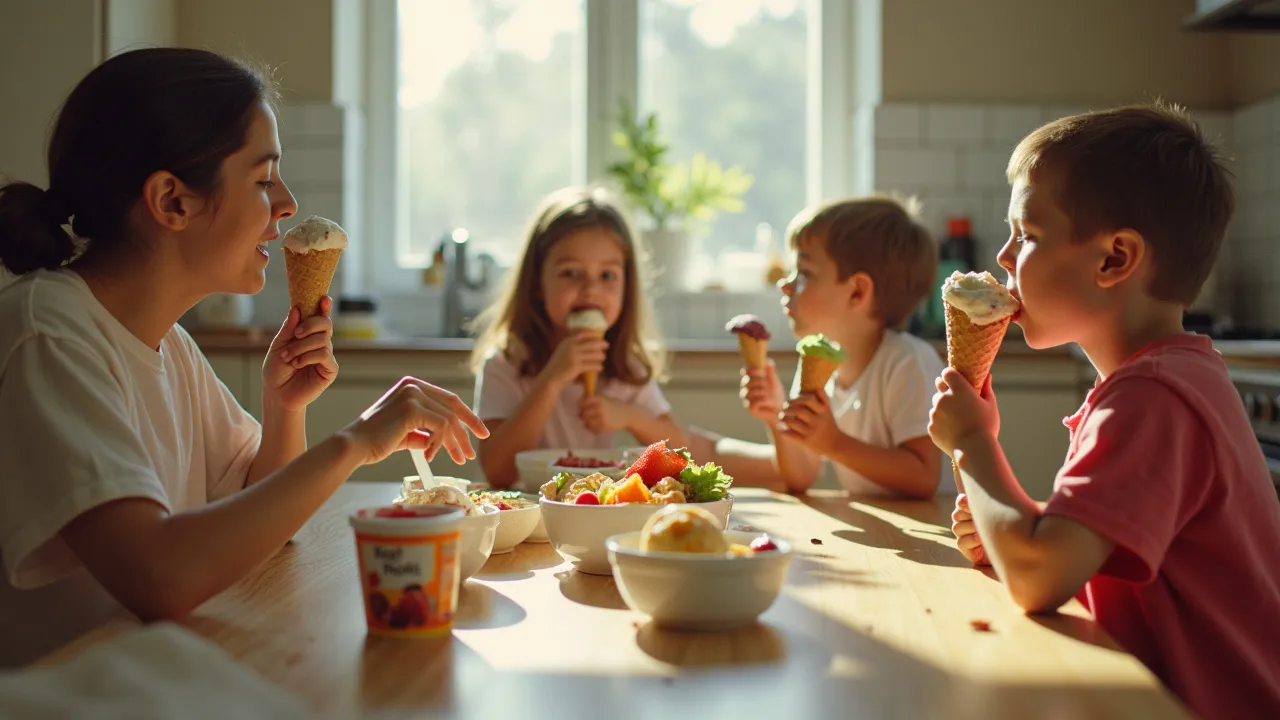
Ice Cream for Breakfast Day is a whimsical holiday celebrated on the first Saturday of February, encouraging everyone to indulge in ice cream as part of their morning meal. Founded in 1966 by Florence Rappaport, it has become a global celebration of joy and spontaneity.
The Historical Origins & Evolutionary Journey
Ice Cream for Breakfast Day (ICFBD) was born in the winter of 1966 in Rochester, New York. Its creator, Florence Rappaport, was a mother seeking to inject fun into a dreary February morning. She and her children decided to have ice cream for breakfast, and the tradition stuck. Rappaport later wrote letters to her children detailing the day, and the idea spread through word of mouth and eventually the internet.
The Foundational Catalyst
The 1960s were a time of cultural shifts, and the Rappaport family's small act of rebellion against breakfast norms reflected a growing desire for personal expression. Ice cream, once a dessert, became a symbol of joy and defiance. The day gained traction in the 1990s when ice cream manufacturers and media picked up the story.
The Official Adoption
While never officially proclaimed by any government, Ice Cream for Breakfast Day was recognized by the National Ice Cream Retailers Association in the 2000s. It is now listed on many holiday calendars worldwide. The date was set as the first Saturday of February to maximize participation without conflicting with other major holidays.
Modern Global Legacy
Today, ICFBD is celebrated across the United States, Canada, the United Kingdom, Australia, and beyond. It has become a social media phenomenon with hashtags #IceCreamForBreakfastDay and #ICFBD trending annually. Many ice cream shops offer special breakfast-themed flavors, and families create traditions around the day.
How to Celebrate Ice Cream for Breakfast Day
Celebrating Ice Cream for Breakfast Day is simple: eat ice cream for breakfast. But to make it special, consider these ideas:
For Individuals and Families
- Classic Scoops: Serve your favorite ice cream in a bowl or cone. Add toppings like sprinkles, chocolate sauce, or fresh fruit.
- Ice Cream Pancakes: Top pancakes with a scoop of ice cream instead of syrup.
- Smoothie Bowls: Blend ice cream with milk and fruit for a thick smoothie bowl.
For Schools and Communities
- Organize an ice cream social during breakfast time at school.
- Host a 'toppings bar' where participants can customize their bowls.
- Use the day to fundraise for local charities by selling ice cream.
International Traditions
In Japan, some cafes offer 'morning sundae' specials. In Italy, gelato for breakfast is not uncommon, but ICFBD amplifies it. In Australia, pavlova with ice cream is a popular breakfast twist. The key is creativity and joy.
Cultural Impact and Societal Themes
Ice Cream for Breakfast Day challenges conventional norms about food timing and societal rules. It taps into the universal desire for spontaneity and pleasure. The day also highlights the role of ice cream as a comfort food that transcends age and culture.
Breaking Breakfast Boundaries
Breakfast is often the most rigid meal, with specific foods deemed appropriate. ICFBD encourages flexibility and fun, reminding us that joy can be found in breaking rules.
Family Bonding and Traditions
The holiday originated from a family activity, and it continues to foster togetherness. Many families create annual rituals around the day, strengthening bonds.
Industry Transformations and Marketing
Ice cream manufacturers and retailers have embraced ICFBD as a marketing opportunity. Seasonal flavors like 'Breakfast Bacon' or 'Maple Waffle' ice cream are launched to coincide with the day. Sales data shows a spike in early morning ice cream purchases on the first Saturday of February.
Innovative Products
Brands like Ben & Jerry's and Häagen-Dazs have introduced limited-edition breakfast-themed flavors. Local creameries often offer 'breakfast sundaes' with cereal, waffle pieces, and coffee ice cream.
Social Media Engagement
The day generates millions of impressions on platforms like Instagram and TikTok. Users share photos of their unconventional breakfasts, often with humorous captions.
Nutritional Perspectives and Health Debates
While ICFBD is about indulgence, it has sparked discussions about nutrition and balance. Dietitians often advise moderation, but many agree that an occasional treat can be part of a healthy lifestyle. Some argue that ice cream for breakfast can be a source of calcium and energy if paired with nutritious toppings like nuts and fruits.
Healthier Alternatives
For those concerned about sugar and fat, alternatives include low-fat ice cream, frozen yogurt, or dairy-free options. Adding protein powder or fruit can also boost nutritional value.
Global Variations and Unique Celebrations
Though the official date is the first Saturday of February, some regions have adapted the holiday. In Sweden, a similar tradition called 'Glass till Frukost' occurs in summer. In India, where ice cream is popular year-round, the day is celebrated with local kulfi flavors like mango and pistachio.
Unique Traditions
- Japan: Matcha ice cream with red bean paste for breakfast.
- Mexico: Helado (ice cream) with chile powder and lime.
- Italy: Gelato in a brioche bun, a common breakfast treat.
These variations show how the core idea of breakfast ice cream adapts to local tastes.
Historical Timeline
Florence Rappaport of Rochester, New York, invents Ice Cream for Breakfast Day as a fun family tradition during a dreary February.
The holiday gains national attention through media coverage and ice cream industry marketing, leading to its inclusion in various 'day of the year' lists.
The National Ice Cream Retailers Association officially recognizes Ice Cream for Breakfast Day, encouraging its celebration.
First widespread internet promotion of ICFBD via blogs and early social media platforms like MySpace.
Ben & Jerry's launches a 'Breakfast Ice Cream' flavor line to coincide with the day.
Ice Cream for Breakfast Day becomes a global trending topic on Twitter, with millions of posts using #IceCreamForBreakfastDay.
During the COVID-19 pandemic, the day sees a surge in home celebrations as families seek comfort and fun at home.
The holiday is officially recognized by several state governors in the US with proclamations.