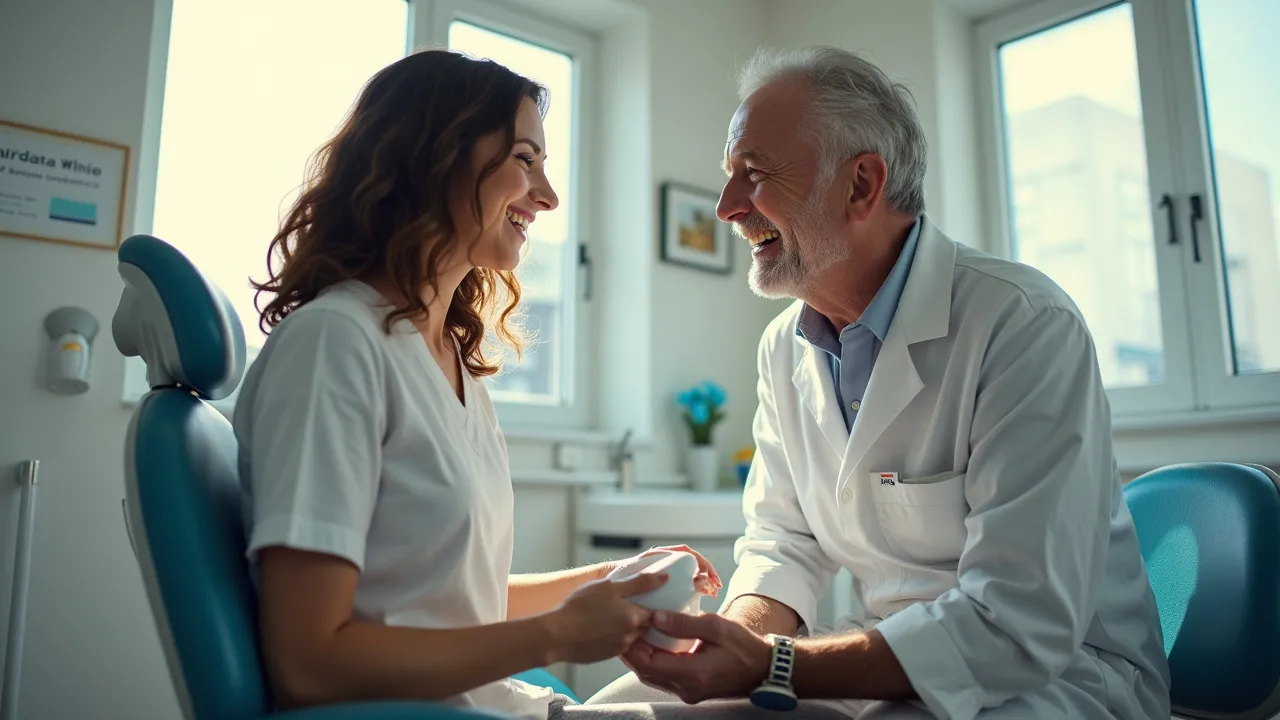
I Love My Dentist Day on June 2nd honors dental professionals for their care and skill. It encourages patients to show appreciation and prioritize oral health through gratitude and education.
Historical Origins & Evolutionary Journey
I Love My Dentist Day emerged from a grassroots movement in the early 2000s, aiming to bridge the gap between patients and dental professionals. Unlike official health observances, its creation was driven by dental practices and patient advocacy groups who recognized the need to humanize dentistry and promote positive associations with oral care.
The Foundational Catalyst
The late 20th century saw a surge in dental anxiety research. Studies revealed that nearly 15% of Americans avoided dentists due to fear. In response, several dental clinics began hosting 'appreciation days' in the early 2000s. The first recorded celebration of I Love My Dentist Day occurred in 2005 in a small practice in Ohio, where patients brought thank-you cards and baked goods. The concept spread through dental associations and social media, evolving into a national observance by 2010.
Legislative & Official Adoption
While never formally recognized by the U.S. federal government, the day gained traction via the American Dental Association (ADA) and state dental boards. By 2015, over 1,200 dental offices participated, and the hashtag #ILoveMyDentist trended on Twitter. The ADA later included it in its official calendar of health observances, emphasizing oral health education on this day.
Modern Global Legacy
Today, the day is celebrated in over 40 countries, though the primary date remains June 2nd. In regions like Australia and the UK, local dental associations have adopted the observance, often aligning it with national oral health campaigns. The core message has expanded from personal gratitude to include community outreach, free dental check-up events, and educational workshops in schools.
How to Celebrate I Love My Dentist Day
I Love My Dentist Day offers a unique opportunity to strengthen the patient-dentist relationship and advocate for oral health. Below are actionable ways to participate, categorized by audience and region.
For Individuals
- Express Gratitude: Write a handwritten thank-you note or leave a positive review online. Small gestures like bringing coffee or flowers are appreciated.
- Schedule a Check-Up: Use the day as a reminder to book a dental appointment if overdue. Many offices offer discounts or free consultations.
- Oral Health Education: Spend 10 minutes learning about proper brushing and flossing techniques. Share a fact on social media using #ILoveMyDentist.
For Schools & Community Groups
- Classroom Visits: Invite a local dentist to speak about oral hygiene. Provide activity sheets for kids.
- Art Contests: Host a 'Smile Art' competition where children draw their favorite dentist or a healthy smile.
- Donation Drives: Collect oral care products for shelters or low-income families.
Corporate & Professional Celebrations
- Employee Appreciation: Dental offices can host a team lunch, give shout-outs on social media, or provide continuing education credits.
- Patient Events: Offer free teeth whitening or oral cancer screenings. Partner with local businesses for raffles.
- Global Variations: In Japan, patients often give small gifts like tooth-shaped keychains. In Brazil, dental clinics organize public park clean-ups to promote health.
The Role of Dentistry in Modern Healthcare
Dentistry is a crucial pillar of overall health, yet it is often siloed from general medicine. I Love My Dentist Day highlights the interconnection between oral health and systemic conditions such as cardiovascular disease, diabetes, and pregnancy complications.
Oral-Systemic Link
Research from the Journal of Periodontology indicates that periodontal disease increases the risk of heart attack by 25%. Dental professionals are often the first to detect signs of diabetes, HIV, and even certain cancers through oral examinations. This day encourages interdisciplinary collaboration, with many clinics offering blood pressure screenings alongside cleanings.
Global Access to Care
Despite advances, over 3.5 billion people suffer from oral diseases, mostly in low-income regions. On I Love My Dentist Day, non-profits like Dentistry Without Borders organize mobile clinics. In India, dental colleges provide free check-ups in rural areas, while in Africa, the day is used to train community health workers in basic oral care.
Overcoming Dental Anxiety: A Global Challenge
Dental phobia affects an estimated 20% of adults worldwide, leading to avoidance and worsening oral health. I Love My Dentist Day aims to destigmatize dental visits through education and compassion.
Causes of Anxiety
- Fear of Pain: Past traumatic experiences or stories from others.
- Loss of Control: Feeling helpless while reclined in the chair.
- Embarrassment: Shame about the state of one's teeth.
Strategies for Dentists
- Communication: Use the 'tell-show-do' technique to explain procedures.
- Environment: Offer noise-canceling headphones, warm blankets, or aromatherapy.
- Sedation Options: Provide nitrous oxide or oral sedatives when needed.
On this day, many clinics host 'open house' tours to familiarize patients with the environment, significantly reducing fear for first-timers.
Technological Innovations in Dentistry
Modern dentistry has been revolutionized by technology, making treatments faster, safer, and more comfortable. I Love My Dentist Day showcases these advancements to the public.
Digital Dentistry
- 3D Printing: Same-day crowns, aligners, and surgical guides.
- Intraoral Scanners: Eliminate messy impressions with digital models.
- Laser Dentistry: Minimally invasive treatment for cavities and gum disease.
Tele-dentistry
Since the COVID-19 pandemic, virtual consultations have become mainstream. On this day, many offices offer free remote screenings, especially for orthodontic checks or post-op follow-ups. Artificial intelligence now helps detect cavities on X-rays with 95% accuracy, reducing diagnostic errors.
Eco-Dentistry
Sustainable practices are emerging, such as biodegradable barriers, energy-efficient vacuums, and digital records eliminating paper waste. Some clinics even plant a tree for every patient seen on I Love My Dentist Day.
Community Outreach & Dental Philanthropy
Dentists are among the most charitable professionals, with many donating services through events like Dentistry From The Heart and Give Kids A Smile. I Love My Dentist Day amplifies these efforts.
Notable Initiatives
- Mission of Mercy: Annual free clinics in the U.S. providing millions in care.
- World Dental Care Foundation: Ships supplies to disaster zones.
- Local Drives: collect toothbrushes for homeless shelters.
In 2023, over 500,000 patients received free or reduced-cost care on June 2nd alone. Schools often partner with dental offices for 'brush-a-thon' fundraisers, integrating oral health education with charitable giving.
Future of Dentistry & Patient-Dentist Relationships
The future promises even closer integration of dentistry with general health. I Love My Dentist Day serves as a catalyst for this evolution.
Personalized Care
Genetic testing for susceptibility to cavities and gum disease will allow tailored prevention plans. Wearable devices that track pH levels in saliva are in development, alerting patients to early decay risks.
Patient Empowerment
With apps that gamify oral hygiene, patients take an active role. On this day, dentists might introduce self-monitoring tools and reward systems for consistent care.
Cultural Shift
The day promotes a shift from fear to partnership. As dental anxiety decreases through education and technology, the traditional 'drill and fill' model is replaced by preventative, holistic care. Dentists are increasingly seen as wellness coaches, not just tooth mechanics.
Historical Timeline
First recorded celebration of I Love My Dentist Day in a private practice in Ohio, initiated by a group of patients and the dentist.
The American Dental Association (ADA) acknowledges the day in its internal newsletter, encouraging member dentists to participate.
Social media campaigns using the hashtag #ILoveMyDentist gain traction, with over 10,000 posts on Twitter alone.
The first community-wide event held in Los Angeles, offering free dental screenings for underserved populations.
The ADA formally adds I Love My Dentist Day to its official list of health observances, distributing promotional materials.
Dental schools across the U.S. begin hosting open houses on June 2nd, educating the public about oral health careers.
International expansion: Celebrated in Canada, Australia, and the United Kingdom, with local adaptations.
During the COVID-19 pandemic, virtual appreciation events emerge, including Zoom thank-you sessions and online oral health webinars.
Record participation: Over 5,000 dental offices worldwide participate, offering free services worth an estimated $20 million.