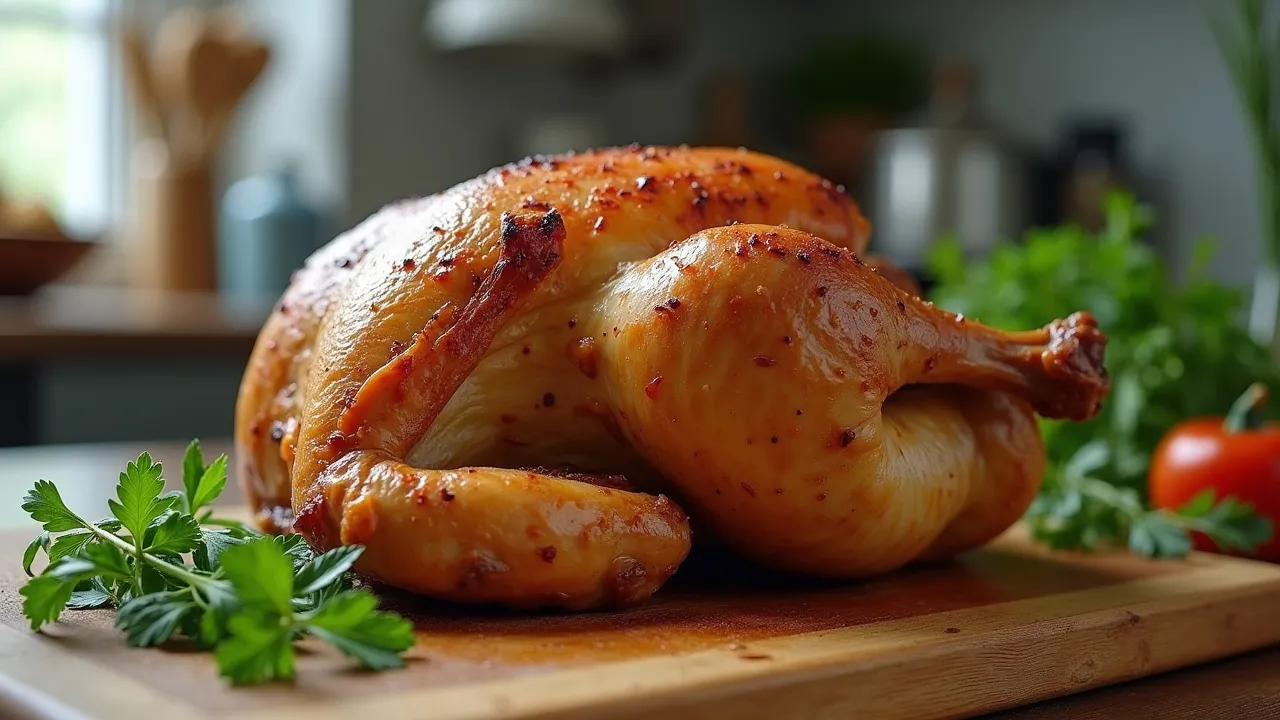
National Rotisserie Chicken Day on June 2nd celebrates the juicy, flavorful rotisserie chicken—a global comfort food icon. From its ancient origins to modern convenience, this day honors the art of spit-roasting.
The Historical Origins & Evolutionary Journey
Rotisserie cooking—roasting meat on a rotating spit—is one of humanity's oldest culinary techniques, dating back to ancient civilizations. However, the specific National Rotisserie Chicken Day as a modern observance was established in 2017 by Boston Market, the American fast-casual restaurant chain, to celebrate their signature rotisserie chicken. The day quickly gained traction via social media and food enthusiasts, becoming a yearly opportunity to honor this versatile, convenient protein.
The Foundational Catalyst
The rotisserie method was perfected by French chefs in the Middle Ages, but it wasn't until the 20th century that rotisserie chicken became a household staple. In the 1950s, supermarkets began offering pre-cooked rotisserie chickens as a convenience item. The real catalyst for the modern holiday was the rise of fast-casual dining in the 1990s and 2000s, led by chains like Boston Market and El Pollo Loco. Boston Market, originally called Boston Chicken, focused on rotisserie chicken as its hero product. In 2017, the company officially declared June 2nd as National Rotisserie Chicken Day, launching promotions and social media campaigns that popularized the date.
The Legislative/Official Adoption
Unlike federally recognized holidays, National Rotisserie Chicken Day is not an official government observance. It was established through corporate marketing and later embraced by food bloggers, retailers, and grocery chains. In 2018, the day received widespread media coverage, with outlets like Food & Wine and Today featuring recipes and celebration ideas. Many grocery stores, such as Costco and Publix, now offer special deals on rotisserie chickens every June 2nd.
Modern Global Legacy
Today, National Rotisserie Chicken Day is celebrated not only in the United States but also in countries where rotisserie chicken is popular, such as Mexico (pollos asados), Portugal (frango assado), and South Africa (braai chicken). The observance has evolved to include home cooks sharing recipes on social media, restaurants offering limited-time flavors, and even nutritional discussions about the health benefits of rotisserie chicken as a lean protein source.
How to Celebrate National Rotisserie Chicken Day
Celebrating National Rotisserie Chicken Day is easy and delicious. Whether you're a home cook or a restaurant-goer, here are actionable ways to honor the day:
For Individuals and Families
- Pick up a rotisserie chicken from your local grocery store or deli. Many stores offer discounts on June 2nd.
- Host a rotisserie chicken feast with sides like mashed potatoes, coleslaw, cornbread, and roasted vegetables.
- Experiment with international flavors: use the chicken in tacos, salads, soups, or curries.
- Share your celebration on social media using hashtags like #RotisserieChickenDay.
- Make your own rotisserie chicken at home using a countertop rotisserie oven or a traditional spit over a grill.
For Schools and Community Organizations
- Organize a potluck lunch where each participant brings a dish featuring rotisserie chicken.
- Hold a rotisserie chicken cook-off with categories like best seasoning, best presentation, and best side dish.
- Partner with a local restaurant to donate rotisserie chickens to food banks or shelters.
For Businesses and Restaurants
- Offer a special discount on rotisserie chicken meals to attract customers.
- Create a limited-time flavor, such as lemon herb, spicy harissa, or honey garlic.
- Run a social media contest asking customers to share their favorite rotisserie chicken recipe.
Cultural Celebrations Around the World
In the United States, the day is heavily promoted by grocery chains like Costco, where the famous $4.99 rotisserie chicken draws long lines. In Peru, pollo a la brasa is a national dish, and June 2nd often coincides with promotions in Peruvian restaurants. In Portugal, frango assado is enjoyed with peri-peri sauce, and in South Africa, braai-spiced rotisserie chicken is a backyard staple. In Japan, convenience stores sell hot rotisserie chicken legs, and the day is celebrated with special bento boxes.
The Art and Science of Rotisserie Cooking
Rotisserie cooking is a culinary technique that combines ancient methods with modern science. The constant rotation ensures even heat distribution, resulting in crispy skin and moist meat. Why does rotisserie chicken taste better than oven-roasted? The self-basting action of the rotating spit keeps the meat juicy, while the indirect heat allows fat to render slowly, creating a golden, crackling skin.
The Perfect Seasoning
A classic rotisserie chicken seasoning includes a blend of salt, pepper, garlic powder, paprika, and herbs like thyme and rosemary. Many chefs recommend brining the chicken before cooking to enhance moisture. For a spicy kick, add cayenne or chili powder; for an herby flavor, use oregano and lemon zest.
Cooking Methods
- Rotisserie Ovens: Countertop or built-in rotisserie ovens are ideal for home use. They typically cook a 4-pound chicken in about 1.5 hours at 350°F.
- Grill Rotisserie: Using a rotisserie attachment on a gas or charcoal grill adds smoky flavor. Soak wood chips for extra aroma.
- Spit over Open Fire: Traditional method used for outdoor gatherings; requires constant monitoring.
Temperature and Safety
Always cook chicken to an internal temperature of 165°F (74°C) in the thickest part of the thigh. Use a meat thermometer to ensure safety. Let the chicken rest for 10 minutes before carving to retain juices.
Global Variations of Rotisserie Chicken
Rotisserie chicken is a global phenomenon, with each culture adding its own flair. Here are some iconic regional styles:
Peru: Pollo a la Brasa
Peru's national dish, pollo a la brasa, is marinated in a blend of soy sauce, lime, garlic, cumin, and paprika, then cooked over wood-fired rotisseries. It is served with french fries, salad, and aji sauce. The dish originated in the 1950s in Lima and has since spread worldwide. On June 2nd, Peruvian restaurants often offer special pricing.
Portugal: Frango Assado
Portuguese-style rotisserie chicken is seasoned with piri-piri (a spicy chili sauce) or a simple garlic and lemon marinade. It is typically cooked over charcoal and served with rice, fries, or bread. In Portugal, it's a common takeaway meal.
Mexico: Pollos Asados
On street corners throughout Mexico, rotisserie chickens (pollos asados) are cooked over charcoal with a smoky adobo marinade. They are often accompanied by tortillas, salsa, and grilled onions.
United States: Grocery Store & Fast-Casual
In the U.S., rotisserie chickens are a staple at supermarkets like Costco, Walmart, and Publix. They are pre-seasoned with herbs and often priced as loss leaders to drive traffic. Fast-casual chains like Boston Market, El Pollo Loco, and Pollo Tropical offer varied spice profiles.
South Africa: Braai Chicken
During a South African braai (barbecue), rotisserie chicken is often seasoned with peri-peri or a spice blend called braai salt. It's cooked over wood coals and served with pap (cornmeal porridge) and chakalaka.
Japan: Convenience Store Chicken
Japanese convenience stores like 7-Eleven and Lawson sell hot rotisserie chicken legs, often seasoned with soy sauce, ginger, and garlic. They are a popular quick snack.
Economic Impact of the Rotisserie Chicken Industry
The rotisserie chicken market is a significant segment of the broader poultry industry. In the United States alone, supermarkets sell over 900 million rotisserie chickens annually, according to industry estimates. Costco's $4.99 rotisserie chicken, which costs the company a loss leader, drives customer loyalty and increased sales of associated items like sides and beverages.
Market Size and Growth
The global rotisserie chicken market was valued at approximately $12 billion in 2023 and is projected to grow at a CAGR of 5% through 2030, driven by demand for convenient, ready-to-eat protein. Key players include grocery chains, fast-casual restaurants, and rotisserie-specific franchises.
Employment and Supply Chain
The industry supports jobs in poultry farming, processing, distribution, and retail. Rotisserie chickens typically use whole birds, which helps reduce waste by utilizing parts that might otherwise be processed into nuggets or ground meat. Many retailers source from domestic suppliers to ensure freshness.
Consumer Behavior
Studies show that rotisserie chicken is one of the most purchased prepared foods, especially among busy families. It is perceived as a healthier alternative to fried chicken and is often used as a base for multiple meals (e.g., salads, sandwiches, casseroles). National Rotisserie Chicken Day boosts sales by 15-20% in participating stores.
Nutritional Benefits and Health Considerations
Rotisserie chicken is a nutrient-dense food, offering high-quality protein, vitamins, and minerals. A 3.5-ounce (100g) serving of roasted chicken breast (skinless) provides about 165 calories, 31 grams of protein, and only 3.6 grams of fat. Dark meat has slightly more fat but also more iron and zinc.
Health Benefits
- Lean Protein: Helps build muscle, repair tissues, and supports immune function.
- B Vitamins: Rich in niacin, vitamin B6, and B12, which aid energy metabolism.
- Selenium: An antioxidant that protects cells from damage.
- Phosphorus: Important for strong bones and teeth.
Considerations
Store-bought rotisserie chickens can be high in sodium due to brining and seasoning. A typical supermarket chicken may contain 400-600 mg of sodium per serving. Choose brands with lower sodium or remove the skin to reduce fat and calorie intake. Additionally, be aware of potential additives like sugar or MSG in some marinades.
Dietary Tips
- Pair rotisserie chicken with vegetables and whole grains for a balanced meal.
- Remove the skin before eating to reduce saturated fat.
- Use leftovers in soups, stir-fries, or salads to avoid food waste.
Social and Cultural Significance
Rotisserie chicken has become a symbol of convenience, comfort, and communal eating. In many cultures, it represents a quick, affordable family meal that brings people together around the dinner table. The sight of a rotisserie chicken rotating in a store window evokes nostalgia and appetite.
Family Meals and Traditions
For busy parents, a store-bought rotisserie chicken is a lifesaver on hectic weeknights. It allows them to serve a home-cooked-style meal without the preparation time. In some families, Sunday dinners feature a rotisserie chicken as the centerpiece, reminiscent of traditional Sunday roasts.
Cultural Icon in Media
Rotisserie chicken has appeared in movies and TV shows as a representation of everyday life. It is often used in advertising to convey warmth, simplicity, and satisfaction. Social media platforms are filled with #rotisseriechicken recipes, memes, and celebration posts on June 2nd.
Environmental Impact
The rotisserie chicken industry contributes to food waste reduction because whole chickens are sold, and leftovers can be repurposed. However, the packaging used for hot rotisserie chickens (often plastic containers) raises environmental concerns. Some retailers are moving toward reusable or compostable packaging.
Future Trends in Rotisserie Chicken
The rotisserie chicken market continues to innovate. Here are emerging trends:
Plant-Based Rotisserie Chicken
With the rise of plant-based meat alternatives, several companies are developing rotisserie-style chicken made from soy or pea protein. These products aim to replicate the texture and flavor of real rotisserie chicken, appealing to vegetarians and flexitarians.
Global Flavor Fusions
Restaurants are experimenting with global spice blends, such as harissa, gochujang, jerk, and tikka masala. These fusion flavors attract adventurous eaters and add variety to the traditional offering.
Smart Rotisserie Appliances
Countertop rotisserie ovens with digital controls, Wi-Fi connectivity, and automatic cook cycles are becoming popular. These appliances allow home cooks to achieve professional results with minimal effort.
Sustainability Initiatives
To reduce the carbon footprint, some producers are sourcing free-range or organic chickens and using renewable energy for cooking. Consumers are increasingly concerned about animal welfare, leading to higher demand for ethically raised poultry.
Direct-to-Consumer Sales
Online grocery delivery services now offer hot rotisserie chickens, with insulated packaging to keep them warm. This expands accessibility for those who prefer to avoid stores.
Historical Timeline
Rotisserie cooking begins with early humans roasting meat on a spit over an open fire.
French chefs perfect the rotating spit using clockwork mechanisms, making rotisserie cooking popular in European kitchens.
Supermarkets in the United States start offering pre-cooked rotisserie chickens as a convenience item.
Boston Chicken (later Boston Market) opens its first rotisserie chicken restaurant in Newton, Massachusetts, popularizing the fast-casual format.
Boston Market officially declares June 2nd as National Rotisserie Chicken Day, launching promotions and social media campaigns.
National Rotisserie Chicken Day gains national media attention, with grocery chains and restaurants across the U.S. offering deals.
During the COVID-19 pandemic, rotisserie chicken sales surge as families seek affordable, ready-to-eat meals for home dining.
The global rotisserie chicken market reaches approximately $12 billion, with innovations in plant-based alternatives and global flavors.