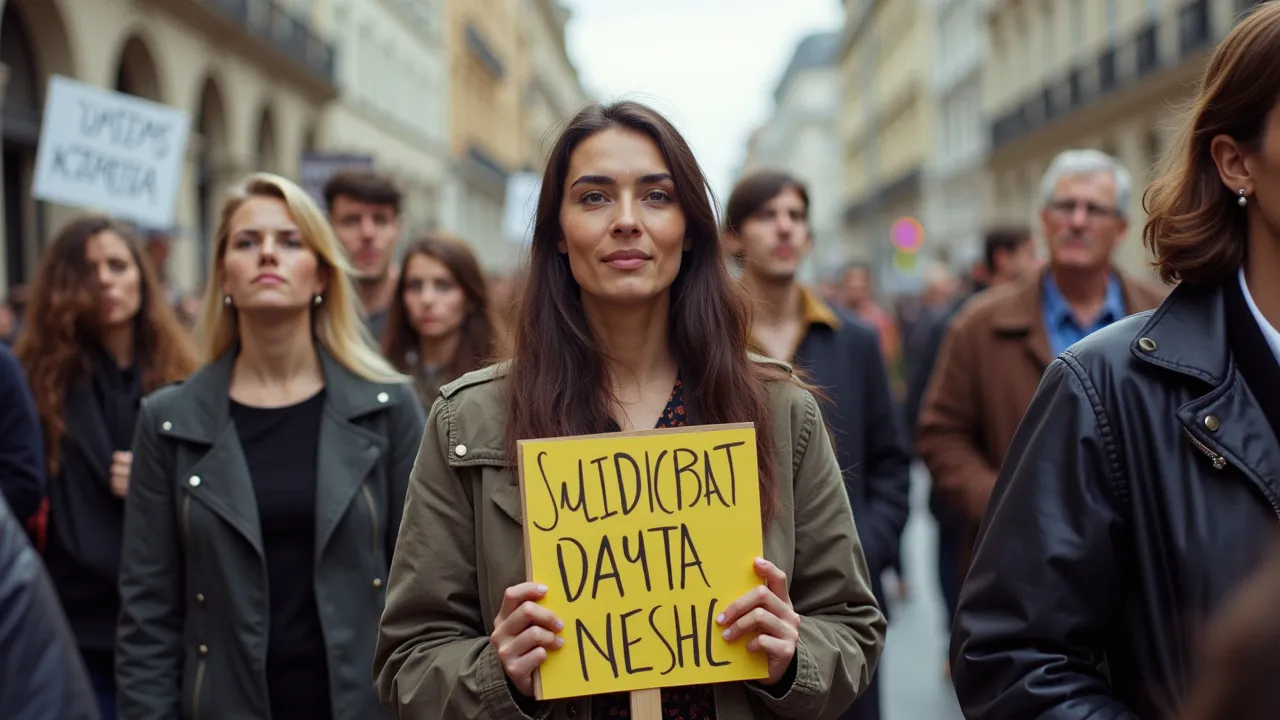
International Sex Workers' Day, observed on June 2nd, commemorates the 1975 Lyon church occupation by sex workers demanding rights and dignity. It serves as a global day of awareness, advocacy, and celebration for the rights and safety of sex workers worldwide.
The Historical Origins & Evolutionary Journey
International Sex Workers' Day, observed annually on June 2nd, traces its roots to a pivotal protest in 1975. This section explores the foundational catalyst, legislative adoption, and modern global legacy of this observance.
The Foundational Catalyst
On June 2, 1975, approximately 100 sex workers occupied the Saint-Nizier Church in Lyon, France, to protest police violence, unfair taxation, and social stigmatization. The occupation lasted eight days and drew international media attention. The protest was organized by the International Committee for Prostitutes' Rights (ICPR), which later formalized June 2 as an annual day of action.
Legislative and Official Adoption
Following the Lyon protest, sex worker movements gained momentum. In 1976, the first official International Sex Workers' Day was celebrated. Over the decades, the day has been used to advocate for decriminalization, labor rights, and healthcare access. Key milestones include:
- 1985: The ICPR drafted the World Charter for Prostitutes' Rights.
- 2001: The Network of Sex Work Projects (NSWP) was founded, uniting global organizations.
- 2013: Amnesty International adopted a policy supporting decriminalization of sex work.
Modern Global Legacy
Today, International Sex Workers' Day is observed in over 50 countries. It serves as a platform to highlight ongoing struggles, such as criminalization, violence, and HIV/AIDS. The day also celebrates the resilience and agency of sex workers, emphasizing that sex work is work.
How to Celebrate International Sex Workers' Day
This section provides actionable strategies for individuals, organizations, and communities to honor International Sex Workers' Day. Celebrations focus on education, advocacy, and solidarity.
Individual Actions
- Educate Yourself: Read books like The Invention of Prostitution or watch documentaries such as Sex Workers: The First Human Rights Crisis.
- Support Sex Worker-led Organizations: Donate to groups like the Global Network of Sex Work Projects (NSWP) or local mutual aid funds.
- Amplify Voices: Share social media posts from sex worker activists using hashtags like #June2nd or #SexWorkersDay.
Organizational and Community Activities
- Host a Panel Discussion: Invite sex workers and allies to discuss decriminalization and labor rights.
- Organize a Candlelight Vigil: Honor victims of violence against sex workers.
- Distribute Educational Materials: Create flyers debunking myths about sex work.
Global Traditions
In France, commemorative marches retrace the route to Saint-Nizier Church. In India, sex worker cooperatives hold cultural events. In the United States, local chapters of the Sex Workers Outreach Project (SWOP) lobby for policy change.
Global Impact and Core Societal Themes
International Sex Workers' Day addresses critical themes affecting sex workers globally: decriminalization, health access, stigma, and violence.
Decriminalization vs. Legalization
Decriminalization—removing penalties for sex work—is the gold standard advocated by human rights groups. Unlike legalization, which often imposes restrictive regulations, decriminalization reduces police harassment and improves safety. Countries like New Zealand (2003) and Germany (2002) have models that prioritize workers' rights.
Health and Well-being
Sex workers face barriers to healthcare, including STI testing and mental health support. The day promotes harm reduction services and the decriminalization of condoms as evidence in court.
Stigma and Social Exclusion
Stigma leads to discrimination in housing, employment, and legal systems. Advocacy campaigns use the day to challenge stereotypes and humanize sex workers.
The Role of Organizations and Advocacy Groups
Numerous organizations drive the International Sex Workers' Day movement. Key groups include:
- Global Network of Sex Work Projects (NSWP): An umbrella organization representing over 100 groups worldwide, founded in 2001.
- Sex Workers Outreach Project (SWOP): A US-based network providing resources and advocacy.
- International Committee for Prostitutes' Rights (ICPR): The original group behind the 1975 protest.
- Empower Foundation (Thailand): Works with migrant and transgender sex workers.
These organizations coordinate June 2nd events, produce research reports, and lobby for policy changes at the UN and national levels.
Cultural Depictions and Misconceptions
Media and popular culture often misrepresent sex workers, perpetuating harm. International Sex Workers' Day challenges these narratives.
Common Misconceptions
- All sex workers are victims: Many choose the profession and advocate for labor rights.
- Sex work is solely about survival: Motivation varies; some seek economic independence.
- Decriminalization increases trafficking: Evidence from New Zealand shows it reduces exploitation by enabling workers to report crimes.
Positive Representation
Films like Hustlers (2019) and documentaries like Amazing Grace highlight agency. Social media campaigns such as #SexWorkerVoices amplify authentic stories.
Future Directions and Challenges
While progress has been made, many challenges remain. Future advocacy focuses on:
- Full Decriminalization: Most countries still criminalize sex work or aspects of it.
- Technology and Safety: Online platforms like e-girls and cams need protections and de-stigmatization.
- Intersectionality: Addressing how race, gender identity, and migration status compound discrimination.
International Sex Workers' Day will continue to evolve as a global call for justice, solidarity, and the recognition of sex work as dignified labor.
Historical Timeline
Sex workers occupy Saint-Nizier Church in Lyon, France, protesting police violence and social stigma. The protest lasts eight days and garners international media coverage.
First official International Sex Workers' Day is celebrated, organized by the International Committee for Prostitutes' Rights (ICPR).
ICPR drafts the World Charter for Prostitutes' Rights, outlining basic human rights for sex workers.
The Global Network of Sex Work Projects (NSWP) is founded to unite sex worker organizations worldwide.
New Zealand decriminalizes sex work, becoming a model for human rights-based approaches.
Amnesty International adopts a policy supporting decriminalization of sex work, citing harm reduction.
COVID-19 pandemic highlights vulnerabilities of sex workers; International Sex Workers' Day focuses on economic relief and healthcare access.