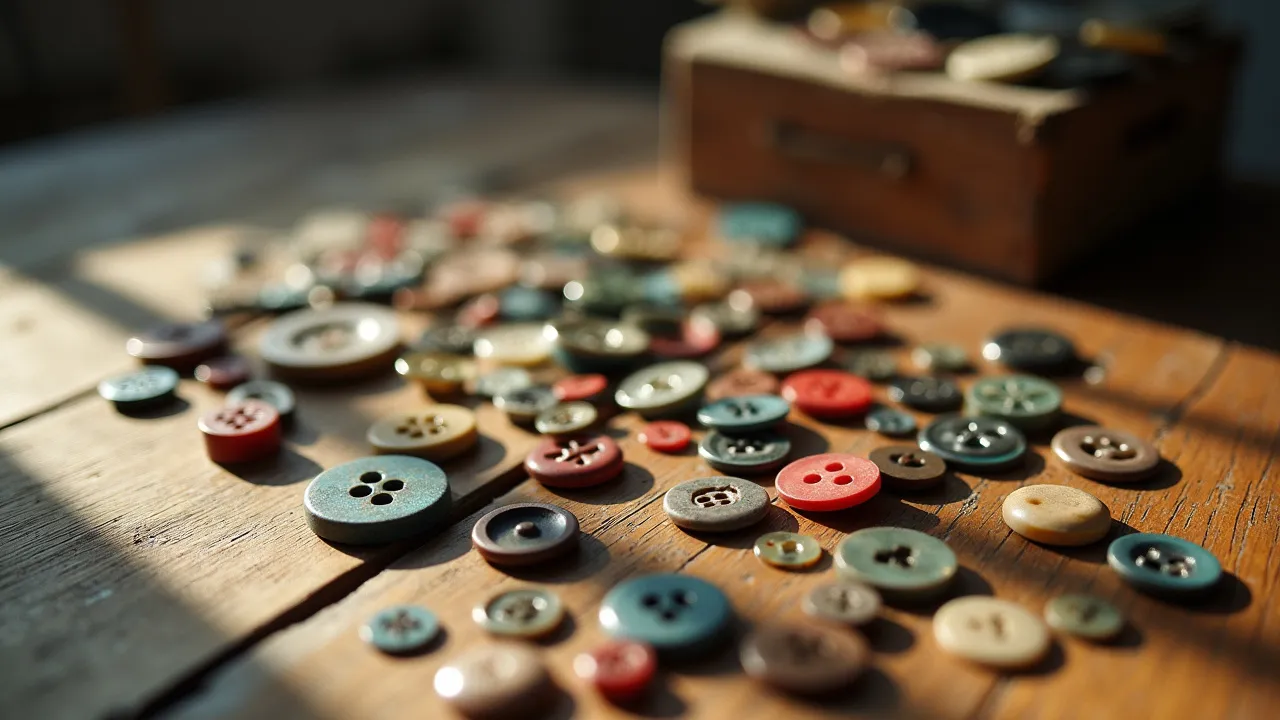
Hurray for Buttons Day on May 9th celebrates the humble button, a small yet essential fastener that has adorned clothing for centuries. Discover its history, cultural impact, and creative ways to honor this everyday item.
The Historical Origins & Evolutionary Journey
Hurray for Buttons Day traces its origins to a grassroots appreciation for one of the most overlooked inventions in human history. While the exact catalyst for the day remains debated, the modern observance emerged in the early 20th century, gaining official recognition through the efforts of button collectors and historical societies.
The Foundational Catalyst
Buttons date back to the Indus Valley Civilization (circa 2000 BCE), initially used as decorative ornaments rather than functional fasteners. The functional buttonhole appeared in Europe during the 13th century, revolutionizing garment design. By the 1700s, buttons became symbols of wealth and status, crafted from precious metals, ivory, and gemstones. The Industrial Revolution mass-produced buttons, making them accessible to all classes.
The Legislative/Official Adoption
In 1938, the National Button Society lobbied for a day to celebrate buttons, but it wasn't until the mid-20th century that Hurray for Buttons Day was formally recognized by the National Day Calendar. The date May 9th was chosen to coincide with the birthday of a prominent button collector, though records are incomplete.
Modern Global Legacy
Today, the day is embraced by collectors, crafters, and fashion historians. Social media campaigns under #HurrayForButtonsDay showcase vintage collections, DIY projects, and educational content about button manufacturing. Museums host special exhibitions, and schools incorporate button-themed lessons in art and history classes.
How to Celebrate Hurray for Buttons Day
Celebrating Hurray for Buttons Day is an opportunity to explore the artistry and utility of buttons. Below are actionable strategies for individuals, families, and organizations.
For Individuals
- Start a button collection or organize existing ones by color, material, or era.
- Create button jewelry, such as earrings or bracelets, using vintage buttons.
- Host a button-swap party with friends or online communities.
- Document your collection on social media using #HurrayForButtonsDay.
For Schools and Educational Groups
- Teach a lesson on the history of buttons, including their role in trade and fashion.
- Organize a button-mosaic art project where students create pictures using buttons.
- Invite a local button collector to speak about the hobby and antique button identification.
Corporate and Community Celebrations
- Button-themed office decorations and a contest for the most unique button on attire.
- Donate buttons to local craft centers or thrift stores that support sewing programs.
- Partner with museums to curate a display of historic buttons from different cultures.
In countries like Japan, buttons from traditional kimonos are celebrated, while in India, bead-and-button crafts are emphasized. The day encourages cross-cultural appreciation of this ubiquitous fastener.
The Global Impact of Button Manufacturing
Button manufacturing is a multi-billion-dollar industry employing thousands worldwide. Major production hubs include China, India, and Italy. The industry has evolved from handmade bone and wood buttons to modern plastics, metals, and eco-friendly materials.
Economic Significance
China produces over 80% of the world's buttons, with Guangdong province as the epicenter. The industry supports local economies and exports to fashion capitals. Sustainable buttons made from recycled materials are gaining traction, reducing environmental footprints.
Technological Innovations
Laser cutting, 3D printing, and automation have revolutionized button design. Smart buttons with embedded RFID chips are now used in inventory management and wearable technology.
On Hurray for Buttons Day, discussions highlight sustainable practices and fair labor standards in button factories.
Cultural Symbolism and Folklore
Buttons carry deep cultural symbolism across societies. In European folklore, finding a button is considered good luck, while losing one portends misfortune. In some Asian cultures, buttons are sewn onto baby clothes to ward off evil spirits.
Symbol of Connection
Buttons literally connect fabric pieces, symbolizing unity and relationship. In marriage ceremonies, button motifs appear on invitations and decorations.
In Literature and Art
Buttons appear in classic literature, from Shakespeare's references to modern children's books like Cordi the Button. Artists like Andy Warhol incorporated buttons in pop art, celebrating their everyday beauty.
Celebrating this day invites reflection on the stories these small objects tell.
Collecting Buttons: A Global Hobby
Button collecting, or fibulagny, is a passionate hobby with clubs and online communities worldwide. Collectors seek rare, antique, or artistically crafted buttons.
Types of Collectible Buttons
- Antique Buttons: Pre-1800s buttons made from silver, ivory, or hand-painted porcelain.
- Military Buttons: Regimental buttons from various armies, often engraved with insignias.
- Artisan Buttons: Modern handmade buttons by artists, often limited-edition.
Famous Collections
The Smithsonian holds a vast button collection spanning centuries. The Button Museum in New Jersey features over 10,000 specimens. On Hurray for Buttons Day, virtual tours and auctions take place.
Environmental Impact and Sustainability
Plastic buttons contribute to microplastic pollution, but the industry is shifting toward eco-friendly alternatives. Biodegradable buttons made from coconut shell, bamboo, and recycled glass are gaining popularity.
Reduce, Reuse, Recycle
On this day, campaigns encourage repurposing buttons from old clothing. Upcycling projects transform buttons into art, jewelry, or home decor. Clothing brands like Patagonia offer repair services that replace buttons to extend garment life.
Innovations in Sustainable Buttons
Startups are developing buttons from agricultural waste, such as pineapple leaves and cornstarch. These materials decompose naturally, reducing landfill burden.
Hurray for Buttons Day serves as a reminder to choose sustainable options and support eco-conscious manufacturers.
Historical Timeline
Earliest known buttons discovered in the Indus Valley, used as decorative pieces.
Functional buttonholes appear in Europe, transforming buttons into essential fasteners.
Buttons become status symbols, crafted from gold, silver, and precious stones.
Mass production of buttons begins during the Industrial Revolution.
National Button Society advocates for a day to celebrate buttons; Hurray for Buttons Day is unofficially observed.
Plastic buttons dominate the market due to low cost and versatility.
Button collecting gains popularity, with dedicated clubs and conventions.
The first online button marketplaces emerge, connecting collectors globally.
The Button Museum opens in New Jersey, showcasing over 10,000 buttons.
Sustainable button innovations gain traction, with major brands adopting eco-friendly materials.