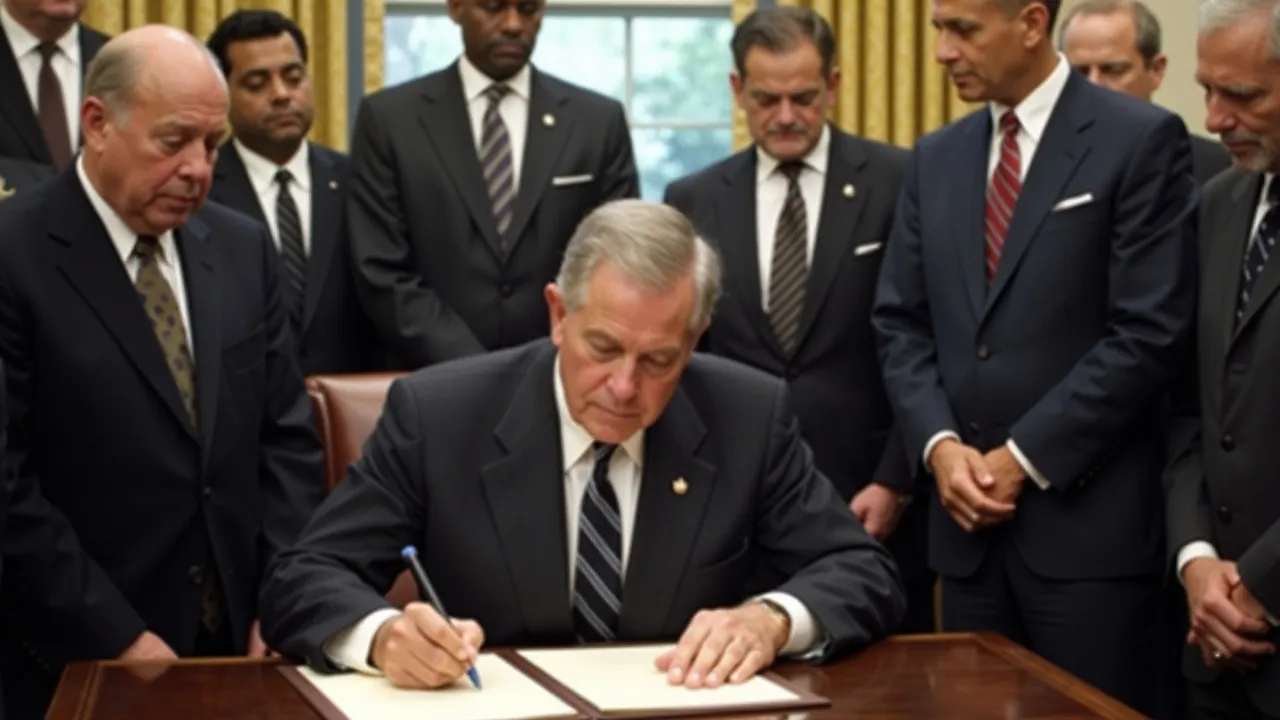
Freedom From Fear Day, observed on July 2nd, commemorates the signing of the Civil Rights Act of 1964 and honors the universal aspiration to live without fear. It encourages reflection on civil liberties, social justice, and the ongoing fight against oppression.
The Historical Origins & Evolutionary Journey
Freedom From Fear Day, observed annually on July 2nd, traces its philosophical roots to President Franklin D. Roosevelt's 1941 Four Freedoms speech and its legislative cornerstone to the Civil Rights Act of 1964, signed into law by President Lyndon B. Johnson on July 2, 1964. The day symbolizes the human right to live without intimidation, persecution, or terror—a principle enshrined in the Universal Declaration of Human Rights (Article 3).
The Foundational Catalyst
The concept of 'freedom from fear' was first articulated by FDR in his 1941 State of the Union address, where he outlined four essential human freedoms: freedom of speech, freedom of worship, freedom from want, and freedom from fear. This vision aimed to create a world where no nation could commit aggression or impose its will through violence. After World War II, the idea became a cornerstone of the United Nations' human rights framework.
The Legislative & Official Adoption
The specific date of July 2nd emerged from the Civil Rights Movement's struggle to end racial segregation and discrimination. The Civil Rights Act of 1964, signed on this date, outlawed discrimination based on race, color, religion, sex, or national origin. It also prohibited unequal voter registration requirements and racial segregation in schools, workplaces, and public accommodations. This landmark legislation directly addressed the fear experienced by marginalized communities, making July 2nd a natural focal point for Freedom From Fear Day.
Modern Global Legacy
Today, the observance has expanded beyond the United States. Human rights organizations, educational institutions, and community groups worldwide use July 2nd to advocate for freedom from fear in contexts like refugee protection, gender-based violence prevention, and digital privacy. The day reminds us that fear—whether from state oppression, terrorism, or social injustice—remains a barrier to human dignity. Global events such as the #MeToo movement and Black Lives Matter have further cemented the day's relevance.
How to Celebrate Freedom From Fear Day
Celebrating Freedom From Fear Day involves both personal reflection and collective action. The goal is to reduce fear in your community and uphold the principles of safety, justice, and equality. Below are actionable strategies for individuals, schools, and organizations.
For Individuals
- Educate yourself about the Civil Rights Act and ongoing human rights issues. Read primary sources like FDR's Four Freedoms speech or the text of the Universal Declaration of Human Rights.
- Support anti-fear initiatives: Donate to organizations that combat hate crimes, support refugees, or provide legal aid to victims of discrimination.
- Practice empathy: Engage in conversations with people from different backgrounds to understand their experiences of fear.
For Schools
- Organize a Freedom From Fear essay contest for students to reflect on what freedom means in their lives.
- Hold a film screening of documentaries about the Civil Rights Movement or modern refugee crises.
- Invite speakers from human rights organizations to discuss fear-related issues such as bullying, cyberstalking, or racial profiling.
For Organizations
- Launch a community safety campaign that addresses local fears (e.g., neighborhood watch, mental health resources).
- Provide pro bono legal services to those facing discrimination or intimidation.
- Host a panel discussion on how workplace policies can reduce fear for employees, covering topics like whistleblower protection and anti-harassment.
In different regions, traditions vary: in the United States, July 2nd may coincide with local civil rights marches; in Europe, human rights organizations often hold conferences; in parts of Africa, the day focuses on conflict resolution and peacebuilding. Adapt the celebration to your local context.
The Civil Rights Act of 1964: A Turning Point
The Civil Rights Act of 1964 remains the most significant American legislation addressing freedom from fear for marginalized groups. Its passage was the result of decades of activism, sit-ins, freedom rides, and the leadership of figures like Martin Luther King Jr., Rosa Parks, and John Lewis.
Key Provisions
- Title II: Prohibited discrimination in public accommodations (hotels, restaurants, theaters).
- Title VI: Prevented discrimination by government agencies receiving federal funds.
- Title VII: Outlawed employment discrimination based on race, color, religion, sex, or national origin.
The Act did not end fear entirely, but it gave legal recourse to those who were systematically oppressed. It laid the groundwork for subsequent laws like the Voting Rights Act of 1965 and the Fair Housing Act of 1968.
Global Influence
The Act inspired anti-discrimination laws worldwide, such as the UK's Race Relations Act and South Africa's post-apartheid Constitution. July 2nd thus serves as a reminder that legal frameworks are essential in the fight against fear, but they must be paired with cultural change.
Cultural and Educational Initiatives
Many institutions observe Freedom From Fear Day through educational programs and cultural events. Museums like the National Civil Rights Museum in Memphis host special exhibits; libraries feature reading lists on civil rights and human dignity; and schools incorporate lessons on the Four Freedoms.
Media & Arts
Artists and filmmakers often release works that explore themes of fear and liberation. For example, the song Freedom! '90 by George Michael or the film Selma capture the emotional weight of the struggle. On July 2nd, communities are encouraged to organize poetry readings, art shows, or theater performances that address fear.
Digital Campaigns
Social media movements like #FreedomFromFearDay help spread awareness. Participants share personal stories of overcoming fear, post quotes from FDR or MLK, and highlight statistics on modern fears (e.g., hate crimes, online harassment).
The Psychological Dimension of Fear
Freedom From Fear is not only a legal concept but a psychological one. Chronic fear—whether from systemic racism, political repression, or domestic violence—impairs mental health and civic participation. The day prompts a broader conversation about how societies can create environments that reduce fear.
Fear and Inequality
Research shows that marginalized groups experience higher levels of fear due to discrimination and violence. For instance, Black Americans report greater fear of police encounters; LGBTQ+ individuals fear hate crimes; women fear sexual assault. Addressing these fears requires policy changes and community support systems.
Building Fear-Resilient Communities
Community-based programs that foster trust—such as restorative justice circles, neighborhood watch groups, and mental health first aid—can reduce fear. On July 2nd, organizations might offer free mental health screenings or sponsor talks on emotional safety.
Contemporary Relevance and Global Challenges
In the 21st century, freedom from fear faces new threats: cyberbullying, surveillance states, terrorism, and climate anxiety. The day serves as a platform to discuss these issues.
Digital Fear
Online harassment and data breaches create widespread fear. Advocates push for strong privacy laws and digital literacy education. July 2nd events often include workshops on online safety and digital rights.
Refugee Crises
Millions flee their homes due to war and persecution. Freedom From Fear Day highlights their plight and calls for humane asylum policies. Nonprofits use the day to fundraise for refugee resettlement.
Environmental Fear
Climate change induces fear of natural disasters and resource scarcity. Activists link environmental justice to freedom from fear, emphasizing that a healthy planet is a prerequisite for security.
Historical Timeline
President Franklin D. Roosevelt delivers the Four Freedoms speech, introducing the concept of 'freedom from fear' as a global human right.
The Universal Declaration of Human Rights is adopted by the UN, with Article 3 stating that 'everyone has the right to life, liberty and security of person.'
The March on Washington for Jobs and Freedom amplifies calls for civil rights legislation, culminating in Martin Luther King Jr.'s 'I Have a Dream' speech.
The Civil Rights Act of 1964 is signed into law by President Lyndon B. Johnson on July 2, outlawing major forms of discrimination and becoming the legislative foundation for Freedom From Fear Day.
The Voting Rights Act is passed, further protecting minority voting rights and reducing fear of disenfranchisement.
The UN World Conference on Human Rights reaffirms freedom from fear as a fundamental principle, leading to increased global observance.
The UN adopts the Sustainable Development Goals, including Goal 16: 'Promote peaceful and inclusive societies... provide access to justice for all and build effective, accountable institutions.'
Global protests following the murder of George Floyd reignite demands for freedom from fear in policing and criminal justice systems.