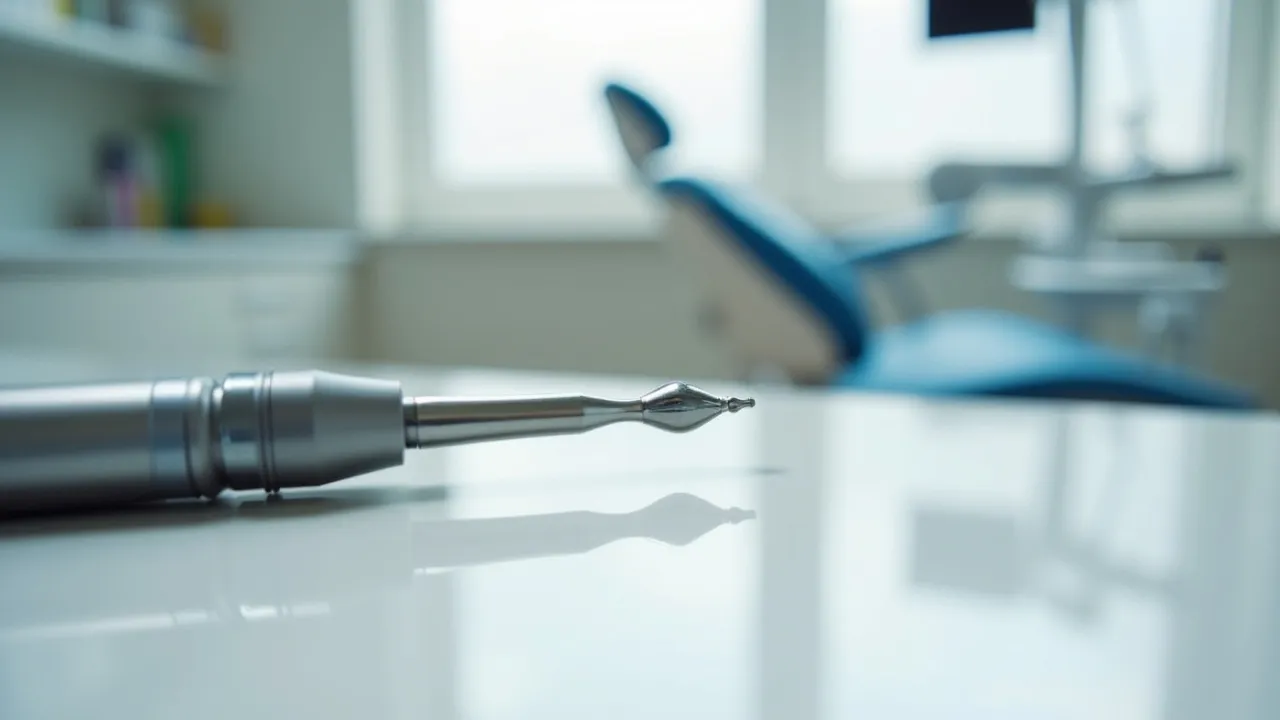
Dental Drill Appreciation Day on January 26th honors the remarkable tool that has revolutionized dentistry. Join dentists and patients worldwide in recognizing the drill's role in pain-free, efficient dental care.
The Historical Origins & Evolutionary Journey
Dental Drill Appreciation Day, observed annually on January 26th, is a day dedicated to honoring one of the most transformative tools in dental history—the dental drill. This observance was established by the Global Dental Community in 2015 to acknowledge the drill's pivotal role in advancing oral healthcare and reducing patient discomfort. The day serves as an opportunity for dental professionals, patients, and enthusiasts to reflect on the technological marvel that has evolved from crude hand instruments to precision-engineered, high-speed devices.
The Foundational Catalyst
Humans have sought relief from dental pain for millennia. Ancient artifacts from Indus Valley civilizations (circa 7000 BC) show evidence of bow drills used to treat tooth decay. However, the true catalyst for modern dentistry came in 1790 when John Greenwood, a dentist in New York, adapted a foot-powered spindle from a spinning wheel to create the first mechanical dental drill. This innovation allowed practitioners to cut decayed tissue with greater speed and control, albeit still a painful experience. Over the next century, improvements in mechanics and materials led to more refined versions, including the hand-cranked drill patented by James Beall Morrison in 1871, which offered a continuous rotary motion.
The Legislative/Official Adoption
The widespread adoption of the dental drill in clinical practice paralleled the professionalization of dentistry itself. As early as the late 19th century, dental schools began incorporating drill training into curricula. The invention of the electric motor in the 1870s eventually led to electric drills, though they were often too heavy and unsteady. It wasn't until the mid-20th century that true breakthroughs occurred. In 1957, John Borden introduced the air-driven, high-speed dental handpiece capable of reaching over 300,000 revolutions per minute (RPM). This innovation dramatically reduced vibration, heat, and pain, transforming the patient experience. The American Dental Association (ADA) rapidly endorsed the technology, and by the 1960s, high-speed drills became standard in dental practices worldwide. The observance of January 26th as a formal appreciation day was proposed in 2014 by a coalition of dental societies and officially recognized the following year.
Modern Global Legacy
Today, the dental drill—often called a handpiece—is a sophisticated tool incorporating fiber optics, water sprays, and ceramic bearings. It enables procedures ranging from simple fillings to complex root canals with minimal discomfort. The drill's legacy is one of democratizing oral health: it has made dental care faster, safer, and more accessible. Dental Drill Appreciation Day not only celebrates this technology but also educates the public on proper dental hygiene and the importance of regular check-ups, where the drill plays a silent but essential role.
How to Celebrate Dental Drill Appreciation Day
Celebrating Dental Drill Appreciation Day is a wonderful way to acknowledge the advancements in dental technology and the professionals who use them. Whether you are a dentist, a dental student, or a grateful patient, there are many engaging activities to mark the day. Below are structured suggestions for individuals, schools, and organizations.
For Individuals and Families
- Visit your dentist: Schedule a routine check-up or cleaning to experience the modern drill in action. Many dental offices offer special promotions or education sessions on this day.
- Share stories: On social media, post a personal story about a positive dental experience using the hashtag #DentalDrillAppreciationDay. Tag your dentist to show gratitude.
- Learn about the history: Watch documentaries or read articles about the evolution of dental drills. The library or online resources provide rich material.
For Schools and Educational Institutions
- Host a classroom presentation on dental health, featuring a real (non-functioning) dental handpiece for demonstration.
- Organize a science fair project where students build simple models of early drills using household materials.
- Coordinate a field trip to a local dental clinic or museum to see antique drills and modern counterparts.
For Dental Clinics and Organizations
- Open house: Invite the community to a free open house with live demos, Q&A sessions, and discounted services.
- Continuing education: Host a workshop for staff on the latest drill technologies, such as electric handpieces versus air-driven.
- Social media campaign: Create an infographic timeline of drill evolution and encourage patients to share using a branded hashtag.
Internationally, traditions vary. In the United States, this day is often marked by dental schools hosting symposiums. In Japan, some clinics offer free consultations. In Germany, dental museums display historical drills. No matter the location, the essence remains—honoring a tool that has saved millions from debilitating pain.
The Evolution of Dental Drill Technology
The dental drill has undergone a remarkable transformation from a crude foot-powered contraption to a precision instrument. Understanding this evolution deepens appreciation for the tool celebrated on January 26th.
From Bow Drills to Handpieces
Ancient cultures used bow drills (a string wrapped around a spindle) to abrade tooth surfaces. In the 18th century, French dentist Pierre Fauchard proposed filing teeth, but it was John Greenwood's foot-treadle drill that set the stage for modern drills. Throughout the 1800s, inventors like James Morrison and Charles Merry improved the mechanics, adding gears and flexible shafts.
The Electric Era
In 1875, George F. Green patented the first electric dental drill, but it was large and impractical. By the 1900s, smaller electric motors allowed for more manageable handpieces, though speeds remained limited to about 3,000-5,000 RPM.
The High-Speed Revolution
In 1957, Dr. John Borden introduced the Borden Airotor, a high-speed air-turbine handpiece that could reach 300,000 RPM. This breakthrough reduced treatment time and patient discomfort. Subsequent innovations included fiber-optic lighting, water cooling, and ceramic bearings, leading to today's standard handpieces operating at speeds up to 400,000 RPM.
Modern drills also feature contra-angle and straight designs for different procedures. The latest trends involve electric micro-motors that offer greater torque and precision, and hybrid systems that combine air and electric power.
Global Impact on Oral Health
The dental drill has had a profound impact on oral health worldwide. By enabling efficient treatment of dental caries (cavities), periodontal disease, and tooth fractures, the drill has contributed to a significant reduction in tooth loss and improved systemic health.
Reducing Disease Burden
Untreated cavities affect nearly 2.5 billion people globally (WHO). The drill allows dentists to remove decayed tissue precisely and restore the tooth with fillings, crowns, or other prosthetics. This not only alleviates pain but prevents infections that can lead to more severe medical conditions, including cardiovascular disease.
Accessibility and Affordability
Modern drills are more affordable and portable than ever, allowing mobile dental clinics to reach underserved populations in rural areas and developing nations. Organizations like Dentaid and World Dental Relief use battery-operated handpieces to provide care in areas without electricity.
Cultural Perceptions
Despite the drill's benefits, dental anxiety remains prevalent. This day helps demystify the drill, showcasing its safety and the emphasis on patient comfort through laser-assisted and computer-controlled systems that minimize noise and vibration.
The Science Behind Modern Drills
To truly appreciate the dental drill, one must understand the engineering and physics that make it effective and safe.
Mechanics and Materials
Dental drills consist of a handpiece, rotary cutting instrument (bur), and drive mechanism. Most handpieces are air-driven turbine or electric micro-motor types. Air-driven turbines use compressed air to spin a rotor; electric motors use a small DC motor. Cutting burs are made from tungsten carbide or diamond abrasives, offering different hardness and cutting characteristics for enamel, dentin, or bone.
Key Innovations
- Fiber optics: Integrated light guides illuminate the working area, allowing precise visibility.
- Water spray: A cooling water stream prevents overheating, reducing thermal damage to the pulp.
- Torque and speed control: Electric handpieces offer constant torque at variable speeds, ideal for drilling through different tissues.
The science behind drills also involves vibration analysis: high speeds and balanced rotors minimize vibrations, enhancing patient comfort. Ceramic bearings further reduce noise and increase lifespan.
Misconceptions and Fear of the Drill
Despite its life-saving benefits, the dental drill is often feared due to misconceptions about pain and noise. Addressing these fears is part of the day's educational mission.
Common Myths
- Drills always hurt: Modern drills with high-speed and water cooling cause minimal discomfort. Local anesthesia is routine for deeper procedures.
- The noise is unbearable: Contemporary handpieces are designed to operate at lower decibel levels. Patients can also use noise-canceling headphones or listen to music.
- Drills cause cracks in teeth: Proper technique and diamond burs reduce stress on tooth structures; cracks are rare and often due to underlying conditions.
Techniques for Overcoming Fear
Dentists employ behavioral techniques like tell-show-do, using sedation dentistry, or utilizing newer technologies such as lasers to minimize or avoid drilling altogether. Dental Drill Appreciation Day is an opportunity for patients to discuss their anxieties and learn about pain-free options.
Future Innovations in Dental Drilling
As we celebrate the past and present of the dental drill, the future holds exciting possibilities. Ongoing research aims to make dental procedures even less invasive and more efficient.
Smart Handpieces
Imagine a drill that provides real-time feedback on tissue density, preventing over-drilling. Prototypes incorporate sensors that measure torque and pressure, alerting the dentist when approaching the pulp. Some even have augmented reality overlays for guided cavity preparation.
Laser and Ultrasonic Alternatives
Erbium lasers can remove decay without heat, vibration, or noise, though they are slower. Ultrasonic tips are used for scaling and root planing. These technologies may eventually replace drills for certain procedures, but the drill's versatility ensures its continued use.
Other developments include self-lubricating bearings, quieter turbines, and drills that automatically adjust speed based on tissue hardness. The ultimate goal is a zero-fear experience, where the drill becomes an invisible helper rather than an object of dread.
Historical Timeline
Bow drills are used in the Indus Valley civilization to treat tooth decay, marking the earliest known dental drilling.
Pierre Fauchard, father of modern dentistry, publishes 'Le Chirurgien Dentiste', describing filing and scraping techniques but no rotary drill.
John Greenwood, dentist to George Washington, invents the first foot-powered mechanical dental drill, adapted from a spinning wheel.
James Beall Morrison patents the first hand-cranked dental drill with continuous rotary motion, significantly improving efficiency.
George F. Green patents the first electric dental drill, though it is large and impractical for widespread clinical use.
John Borden introduces the Borden Airotor, the first high-speed air-turbine handpiece, achieving 300,000 RPM and transforming dentistry.
High-speed dental handpieces become standard in dental practices globally, dramatically reducing treatment time and patient discomfort.
Fiber optic lighting is integrated into handpieces, improving visibility and precision during procedures.
Electric micro-motor handpieces gain popularity, offering greater torque and variable speed control for intricate work.
The Global Dental Community establishes January 26th as Dental Drill Appreciation Day to honor the tool's role in oral health.
Smart handpieces with real-time feedback sensors are introduced, combining robotics and AI for precision drilling.