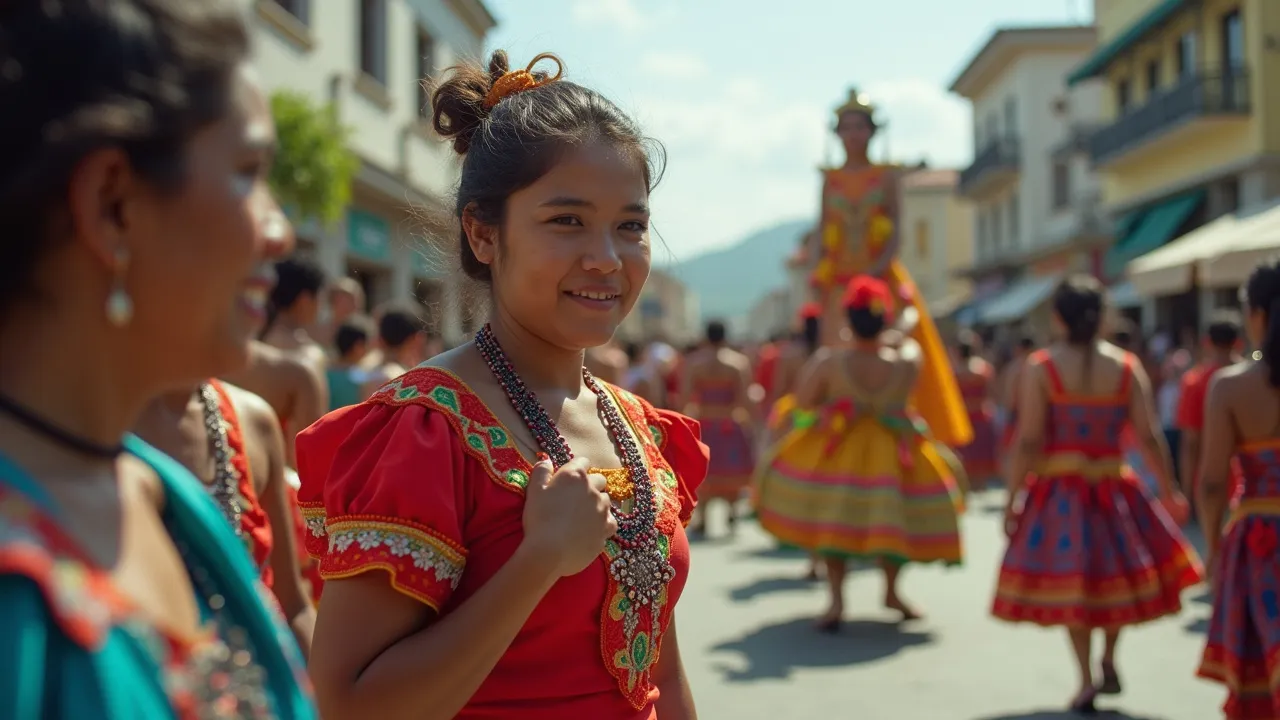
Colon Day, observed on November 5th in Panama, commemorates the founding of the city of Colón, a key port and railway hub. The day features parades, cultural events, and historical reenactments.
The Historical Origins & Evolutionary Journey
Colon Day in Panama, known as Día de Colón, is celebrated annually on November 5th to commemorate the founding of the city of Colón. This key observance marks the establishment of a critical transit point that would later become a linchpin in global maritime trade.
The Foundational Catalyst
The city of Colón was founded in 1850 by the Panama Railroad Company as the Atlantic terminus of the Panama Railroad. The railroad was built to facilitate the crossing of the Isthmus of Panama, dramatically reducing travel time between the Atlantic and Pacific oceans. The city was initially named Aspinwall after the company's president, William Henry Aspinwall, but was later renamed Colón in honor of Christopher Columbus. The first official celebration of the city's founding took place on November 5, 1851, a year after construction began.
The Legislative/Official Adoption
In 1870, the municipal government of Colón formally declared November 5th as a public holiday. The date was chosen to align with the completion of key railroad infrastructure and the arrival of the first train in the city. Over the decades, the holiday evolved from a local celebration to a national observance, recognized by the Panamanian government in the early 20th century.
Modern Global Legacy
Today, Colon Day is not only a celebration of the city's founding but also a tribute to the multicultural heritage that shaped Panama. The city of Colón has been a melting pot of cultures—African, Caribbean, European, and Indigenous—that contributed to its development. The holiday serves as a reminder of Panama's strategic importance in world trade and its diverse cultural tapestry.
How to Celebrate Colon Day (Panama)
Celebrating Colon Day involves a mix of traditional festivities, educational activities, and community events. Here is a definitive guide to observing this important Panamanian holiday:
- Attend the Grand Parade: The city of Colón hosts a massive parade featuring colorful floats, traditional music (like típico and reggae), and dancers in elaborate costumes. The parade winds through the historic quarters, drawing thousands of spectators.
- Participate in Historical Reenactments: Local theater groups reenact the arrival of the first train and the founding of the city. These performances are held at the Colón 2000 area and the historic railroad station.
- Enjoy Cultural Festivals: The holiday includes food fairs showcasing Panamanian cuisine (such as sancocho and carimañolas), art exhibitions, and live concerts. The Carnaval de Colón often coincides with the celebrations.
- Visit Historic Sites: Tourists and locals alike explore landmarks like the Puerto de Colón, the Catedral de San José, and the Museo de la Región de Colón. Guided tours are available.
- Engage in Community Service: Many organizations host clean-up drives and charity events to give back to the city. This reflects the spirit of unity and progress.
For schools and businesses, celebrations often include educational workshops on Panama's railroad history and cultural diversity. Corporate events may feature themed parties with decorations reflecting the city's port heritage.
Global Impact and Cultural Significance
Colon Day's significance extends beyond Panama's borders. The city of Colón played a pivotal role in the construction of the Panama Canal, making it a focal point of international trade. The holiday highlights the contributions of immigrant workers—especially from the Caribbean—who built the railroad and later the canal. This multicultural legacy is celebrated through music, dance, and culinary traditions that have spread worldwide. In recent years, diaspora communities in the United States and Europe have organized parallel events to honor their heritage.
Economic and Touristic Importance
The holiday boosts local tourism, with visitors flocking to the Colón Free Trade Zone and the nearby Portobelo ruins. It also serves as a reminder of Panama's role in global commerce, as the city remains a major shipping hub.
Societal Themes and Core Values
Colon Day embodies themes of resilience, multiculturalism, and progress. The city's history is a testament to overcoming adversity—from its founding amid jungle and disease to its rebirth after the 1980s economic downturn. The holiday promotes unity among diverse ethnic groups, encouraging intergenerational dialogue. Schools use the day to teach students about the importance of collaboration and the value of Panama's strategic location.
Industry Transformations Linked to Colón
The city of Colón has been at the heart of several industrial transformations. The arrival of the railroad in the 1850s revolutionized transportation across the isthmus. Later, the Panama Canal expansion (completed in 2016) further cemented Colón's status as a logistics powerhouse. Colon Day often features forums on trade, logistics, and sustainable development, drawing business leaders from across the globe.
- Railroad Era (1850-1914): The Panama Railroad was the first transcontinental railroad in the Americas, carrying passengers and cargo.
- Canal Construction (1881-1914): Colón served as the Atlantic entry point, housing thousands of workers.
- Free Trade Zone (1950-present): The Colón Free Trade Zone is one of the largest in the world, handling billions in annual trade.
Traditional Symbols and Observance Practices
Key symbols of Colon Day include the railroad locomotive, the canal locks, and the national flag of Panama. Homes and businesses display blue, red, and white decorations. Traditional dishes like arroz con pollo and tortillas are prepared. The Día de Colón anthem is sung at public gatherings. Many Panamanians attend a special mass at the Catedral de San José to give thanks for the city's prosperity.
Historical Timeline
The Panama Railroad Company begins construction of the railroad across the Isthmus of Panama, leading to the founding of the city of Colón (initially named Aspinwall).
First official Colon Day celebration held on November 5th, marking the arrival of the first train in the city.
The municipal government of Colón declares November 5th a public holiday, formalizing Colon Day.
Panama becomes an independent nation, and Colón continues to thrive as a key port city. The holiday gains national recognition.
The Panama Canal opens, dramatically increasing Colón's strategic importance. Colon Day celebrations emphasize the city's role in global trade.
The Colón Free Trade Zone is established, boosting the local economy and becoming a major attraction during the holiday.
Colon Day becomes a focus for cultural heritage tourism, with the launch of the 'Colón Cultural Festival' alongside the traditional parade.
The Panama Canal expansion is completed, reinforcing Colón's status. The holiday includes forums on the canal's impact.