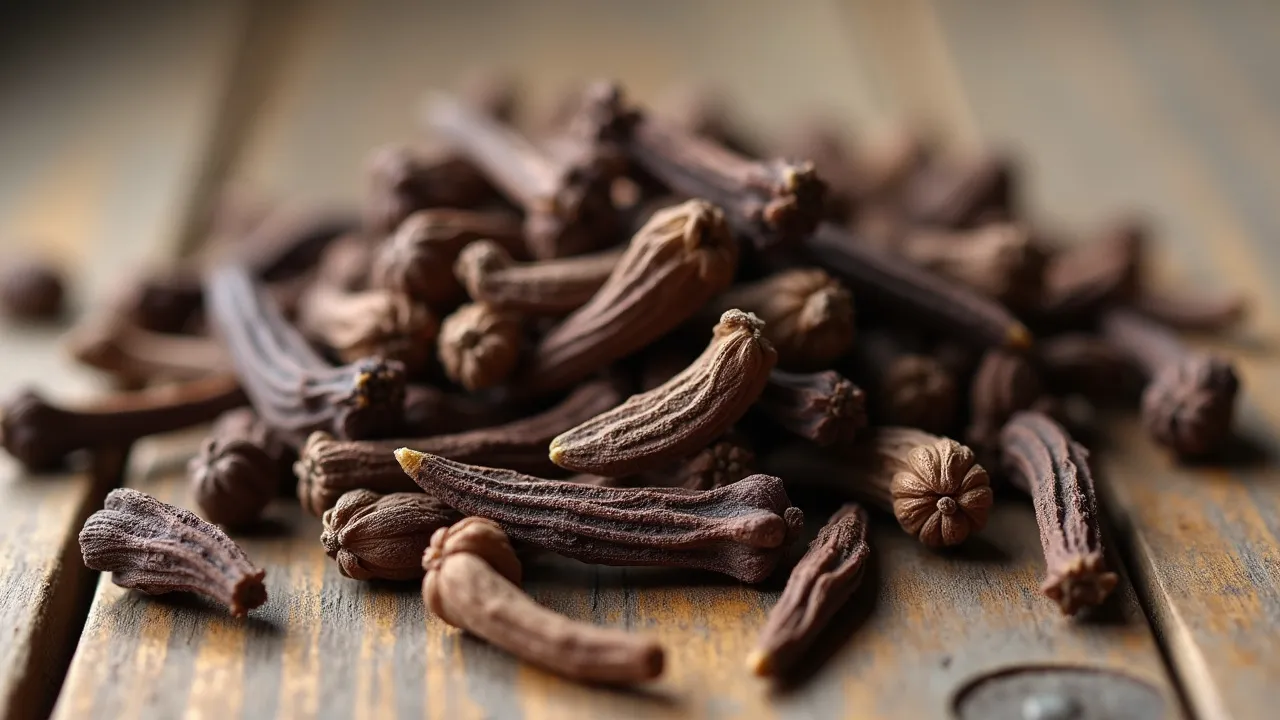
Observed annually on August 3rd, Cloves Day celebrates the rich history, aromatic allure, and diverse uses of the clove spice from ancient trade routes to modern kitchens. It's a day to explore clove's global culinary and medicinal heritage.
The Historical Origins & Evolutionary Journey
Cloves Day, observed on August 3rd, traces its roots to mankind's ancient fascination with the aromatic flower buds of the Syzygium aromaticum tree. The day was formally established in 2003 by the Gourmet Spice Association to honor this spice's unparalleled journey from the remote Spice Islands to global kitchens and medicine cabinets.
The Foundational Catalyst
Cloves were a coveted commodity in early trade, with archaeological evidence of their use in Mesopotamia around 1700 BCE. During the Roman Empire, cloves were imported from India, though their exact origins remained mysterious for centuries. The desire for control over clove production fueled European colonial expeditions, particularly the Portuguese and Dutch, who monopolized the Moluccan (Maluku) Islands—the original "Spice Islands." This colonial history is a key part of Cloves Day's narrative, reminding us of the spice's role in shaping world economies and cultures.
The Legislative/Official Adoption
The modern holiday emerged from a grassroots campaign by spice enthusiasts and chefs in the United States, who lobbied for a dedicated day to educate the public about clove's versatility. The Gourmet Spice Association formalized it in 2003, choosing August 3rd to coincide with the harvest season in many tropical regions. Since then, it has been embraced by culinary schools, spice merchants, and health advocates, spreading through social media and food festivals.
Modern Global Legacy
Today, Cloves Day is celebrated not only in the United States but also in countries with strong clove industries like Indonesia, Madagascar, and Sri Lanka. The day promotes sustainable farming, fair trade practices, and the preservation of traditional knowledge. It has expanded beyond food to include aromatherapy, dental care, and cultural ceremonies, reflecting clove's enduring significance.
How to Celebrate Cloves Day
Cloves Day offers endless opportunities to explore this spice's depth. Here is a definitive guide to celebrating, whether at home, in schools, or within organizations.
For Individuals and Families
- Cook a clove-infused meal: Prepare dishes like pumpkin pie, mulled wine, or Indonesian rendang that use whole or ground cloves.
- Brew clove tea: Steep 2-3 whole cloves in hot water for 5 minutes; add honey and lemon for a soothing drink.
- Make a potpourri: Combine cloves with cinnamon sticks, orange peels, and star anise for a natural air freshener.
For Schools and Educators
- History lesson: Teach students about the spice trade and its role in global exploration. Use maps to trace clove routes from the Moluccas to Europe.
- Science experiment: Demonstrate clove's eugenol content by crushing a clove and observing its oil's antiseptic properties.
- Art project: Create clove-studded oranges (pomanders), a traditional craft from medieval Europe.
For Organizations and Businesses
- Spice pairing workshop: Host a tasting event pairing cloves with cheeses, chocolates, and wines.
- Fundraiser: Support sustainable clove farming cooperatives in Madagascar or Indonesia through donations.
- Community garden: Plant a clove tree (if climate permits) or donate to organizations preserving spice biodiversity.
Regional Variations
While August 3rd is the primary date, some regions celebrate at different times. In Indonesia, for instance, a Cloves Day variant coincides with the clove harvest in July, featuring traditional ceremonies and spice market fairs. In the Netherlands, a "Kruidnageldag" (Clove Day) occurs on the last Saturday of September, linked to historical spice trade commemorations. These variations highlight the spice's global footprint.
Global Impact & Cultural Significance
Cloves have left an indelible mark on cultures worldwide, and Cloves Day illuminates this rich tapestry.
Traditional Medicine
In Ayurveda and Traditional Chinese Medicine, cloves are prized for their warming properties and ability to alleviate toothache, indigestion, and respiratory issues. Clove oil, rich in eugenol, is a common natural analgesic. Cloves Day often features workshops on blending clove essential oils or crafting herbal remedies.
Culinary Traditions
From the clove-studded hams of England to the fragrant biryanis of India, cloves are indispensable. The day encourages home cooks to experiment with global recipes: Mexican mole, French mulled cider, or Ethiopian coffee with a hint of clove. Food bloggers and chefs release limited-edition clove recipes, driving online engagement.
Economic Impact
Indonesia dominates global clove production, followed by Madagascar and Tanzania. Cloves Day highlights the economic importance of smallholder farmers, advocating for fair trade practices. The spice's market value impacts millions, and the day serves as a platform for discussing sustainable agriculture and climate resilience in tropical regions.
Health Benefits and Scientific Insights
Modern research confirms what ancient healers knew: cloves are a powerhouse of bioactive compounds. Cloves Day provides an opportunity to share evidence-based health information.
Antioxidant and Anti-Inflammatory Properties
Cloves contain high levels of eugenol, which has potent antioxidant effects, neutralizing free radicals and reducing oxidative stress. Studies suggest clove extract may help manage inflammatory conditions like arthritis.
Oral Health
Clove oil is FDA-approved as a temporary dental anesthetic. It combats oral bacteria and can reduce plaque. Many dental care products now include clove extract. Cloves Day often features tips for natural oral hygiene using diluted clove oil.
Digestive and Metabolic Support
Cloves stimulate digestive enzymes and may improve insulin sensitivity. Some research indicates clove extract reduces blood sugar spikes after meals. This section of the day's content advises moderation and consultation with healthcare providers.
Industry Transformation & Modern Trends
The clove industry has seen significant shifts, and Cloves Day serves as a checkpoint for these developments.
Sustainable Sourcing
With increasing demand for ethical spices, organizations like the Rainforest Alliance certify clove farms. Cloves Day spotlights certifications and encourages consumers to choose responsibly sourced products.
Innovation in Clove Products
From clove-infused spirits to clove-smoked salts, artisanal producers are reinventing this ancient spice. The day often features product launch events or collaborations with gourmet brands.
Climate Change Challenges
Clove trees are sensitive to temperature changes, and rising sea levels threaten low-lying island farms. Cloves Day raises awareness and funds for research into resilient clove varieties.
Historical Timeline
Earliest archaeological evidence of clove use in Mesopotamia, found in a burnt jar at a site in Syria.
Chinese Han Dynasty texts mention cloves as a breath freshener during court audiences.
Portuguese explorers reach the Moluccas (Spice Islands) and establish a clove monopoly.
Dutch East India Company (VOC) takes control of the clove trade, systematically destroying trees on non-Dutch islands to maintain price.
French smuggler Pierre Poivre successfully transplants clove trees to Mauritius and Réunion, breaking the Dutch monopoly.
Clove cultivation spreads to Zanzibar, Madagascar, and the Caribbean, becoming a major cash crop.
Gourmet Spice Association establishes National Cloves Day on August 3rd to promote appreciation of the spice.
Cloves Day gains official recognition in Indonesia, celebrated with festivals in the Maluku Islands.