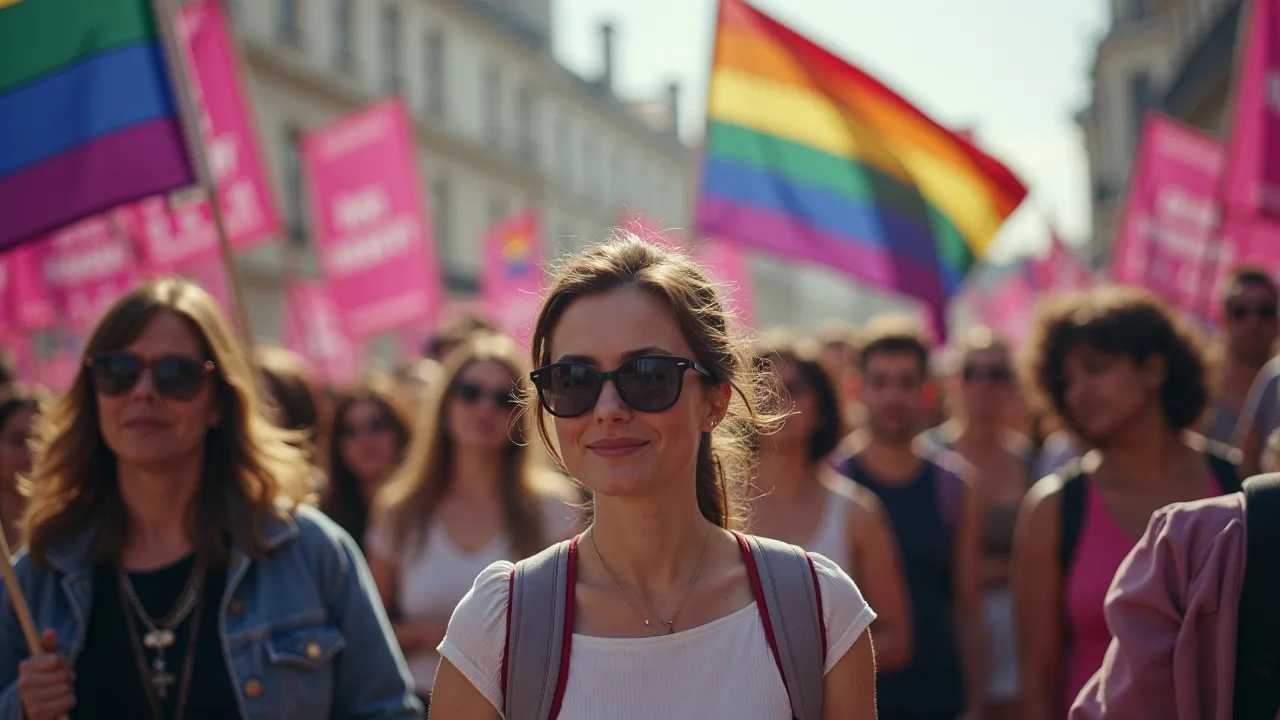
Celebrate Bisexuality Day, observed each September 23rd, honors bisexual individuals and their community. Founded by activists in 1999, it promotes visibility, acceptance, and understanding of bisexuality worldwide.
The Historical Origins & Evolutionary Journey
Celebrate Bisexuality Day, also known as Bi Day or Bisexual Visibility Day, was founded in 1999 by a trio of passionate bisexual activists: Wendy Curry, Michael Page, and Gigi Raven Wilbur. The day emerged from a desire to create a focal point for bisexual visibility, combat biphobia, and foster community solidarity. The first official celebration took place on September 23, 1999, a date chosen to coincide with the birthday of the late bisexual icon and psychologist, Dr. Alfred Kinsey, whose groundbreaking research on human sexuality challenged binary notions of orientation.
The Foundational Catalyst
In the late 1990s, the bisexual community faced erasure within both mainstream society and the larger LGBTQ+ movement. Many activists felt that bisexuality was frequently misunderstood as a "phase" or "confusion." To counter this, Curry, Page, and Wilbur initiated a grassroots campaign to designate a day for bisexual pride. Their efforts included outreach to bisexual organizations, online forums, and community centers. The first event featured small gatherings, educational workshops, and visibility actions such as wearing pink, purple, and blue (the bisexual pride flag colors) and distributing literature.
The Legislative/Official Adoption
Over the following decades, Celebrate Bisexuality Day gained traction globally. In 2001, the International Lesbian, Gay, Bisexual, Trans and Intersex Association (ILGA) officially recognized the day, encouraging member organizations to participate. By 2010, numerous cities, including San Francisco, New York, London, and Sydney, were hosting parades, panel discussions, and community parties. In 2013, the White House issued a statement acknowledging the day under President Barack Obama, marking a significant milestone for governmental recognition. Today, the day is celebrated on every continent, with events ranging from small meetups to large-scale festivals.
Modern Global Legacy
Now, over two decades later, Celebrate Bisexuality Day serves as a vital platform for advocacy, education, and celebration. It has spawned numerous spin-off initiatives, including Bisexual Health Awareness Month and Bisexual+ Week. The day has also spurred research on bisexual experiences, leading to better mental health resources and inclusion practices. Its legacy is one of resilience and community, continually evolving as society's understanding of sexual diversity deepens.
How to Celebrate Celebrate Bisexuality Day
Celebrating Celebrate Bisexuality Day can take many forms, from personal reflection to public advocacy. Below are actionable strategies for individuals, schools, and organizations, organized by approach.
For Individuals
- Wear the Colors: Don pink, purple, and blue clothing, accessories, or makeup to show solidarity. The bisexual pride flag, designed by Michael Page in 1998, represents attraction to same (pink), different (blue), and both (purple).
- Educate Yourself: Read books like Bi: Notes for a Bisexual Revolution by Shiri Eisner or watch documentaries on bisexual history. Share what you learn on social media using hashtags like #BiDay and #BisexualVisibilityDay.
- Attend or Host an Event: Join a local gathering, or host a small discussion group with friends. Many communities have potlucks, film screenings, or poetry nights.
For Schools and Universities
- Organize a Panel Discussion: Invite bisexual speakers to share their experiences. Ensure a Q&A session to address myths and stereotypes.
- Create a Resource Table: Set up a booth in the student union with flyers, books, and contact info for bi-specific support groups.
- Launch a Visibility Campaign: Use posters, social media, and campus announcements to highlight famous bisexuals throughout history (e.g., Frida Kahlo, David Bowie, Janis Joplin).
For Organizations and Companies
- Enact Inclusive Policies: Review and update HR policies to explicitly include bisexuality in non-discrimination and benefits language. Offer training on biphobia and bisexual erasure.
- Host a Lunch & Learn: Provide a safe space for employees to discuss bisexual issues. Encourage allyship and provide resources.
- Support Bi-Focused Nonprofits: Donate to organizations like the Bisexual Resource Center or BiNet USA, which offer advocacy and community support.
Global Celebration Traditions
In the United Kingdom, the day is often marked by community picnics in parks and pub meetups. In Australia, several cities host Bi Pride marches that coincide with September 23. In Japan, smaller events focus on online visibility through social media campaigns. Latin American countries like Brazil hold educational forums and art exhibits. Regardless of location, the core theme remains: celebrate, educate, and advocate.
Global Impact & Cultural Significance
Celebrate Bisexuality Day has dramatically increased the visibility of bisexual individuals worldwide. Studies show that since its inception, public awareness of bisexuality as a distinct orientation has risen, and negative stereotypes have begun to erode. The day has also fostered a sense of community among bisexuals, who often feel isolated from both heterosexual and gay/lesbian groups. According to a 2021 Pew Research Center survey, 40% of LGBTQ+ adults identify as bisexual, making them the largest subgroup within the community, yet they remain the least likely to be out. This day addresses that disparity by providing a dedicated space for visibility.
Culturally, the day has inspired art, literature, and media representation. The 2019 film Brittany Runs a Marathon and the TV series Brooklyn Nine-Nine have featured bi characters, partly due to increased demand for authentic stories. The day also catalyzed the creation of the Bisexual Resource Center, which provides mental health support and community programs globally.
Key Themes & Societal Transformations
Several core themes underpin Celebrate Bisexuality Day: erasure, inclusivity, and intersectionality.
Erasure
Bisexual erasure refers to the tendency to dismiss or invalidate bisexuality by assuming individuals are either gay or straight based on their current partner. The day actively combats this by affirming that bisexuality is a valid, stable identity.Inclusivity
The day emphasizes that bisexuality is not binary but exists on a spectrum, attracting individuals with diverse experiences, including those who are pansexual, queer, or fluid. It stresses that no one "looks" bisexual and that attraction to multiple genders is real.Intersectionality
The celebration also highlights how bisexuality intersects with race, gender, disability, and class. For example, bi people of color face unique challenges due to both biphobia and racism, and the day prioritizes amplifying their voices.Industry Transformations & Allyship
The day has spurred industry-wide changes, particularly in healthcare and corporate diversity initiatives.
Healthcare
Medical professionals are now being trained to better serve bisexual patients, who historically report poorer mental health outcomes. Resources like the Bisexual Health Toolkit from the Bisexual Resource Center help clinics become more bi-affirming.Corporate World
Many Fortune 500 companies now include bisexuality in their ERGs (Employee Resource Groups) and diversity training. Celebrate Bisexuality Day is often used to launch new policies, such as inclusive health coverage for partners of any gender.Allyship
Allies play a crucial role. The day encourages non-bisexual people to educate themselves, speak out against biphobia, and actively create space for bi voices. Simple acts like correcting myths or using inclusive language (e.g., "partner" instead of gendered terms) can make a significant impact.Challenges & Ongoing Advocacy
Despite progress, bisexuals continue to face high rates of poverty, violence, and discrimination. According to the Movement Advancement Project, bisexual people are more likely to live in poverty than their gay or straight counterparts. Moreover, 44% of bisexual women report experiencing sexual violence. Celebrate Bisexuality Day is therefore not only a celebration but a call to action. Advocacy groups use the day to lobby for legal protections, such as the Equality Act in the United States, which would ban discrimination based on sexual orientation nationwide. The day also raises funds for suicide prevention hotlines specifically for bisexual youth, who are at elevated risk.
Historical Timeline
First official Celebrate Bisexuality Day on September 23, founded by Wendy Curry, Michael Page, and Gigi Raven Wilbur to promote bisexual visibility.
The International Lesbian, Gay, Bisexual, Trans and Intersex Association (ILGA) officially recognizes the day, encouraging global participation.
Major cities including San Francisco, New York, London, and Sydney host large-scale events, parades, and educational forums.
The White House issues a statement acknowledging Celebrate Bisexuality Day under President Barack Obama, marking federal recognition.
The Bisexual Resource Center launches the first Bisexual Health Awareness Month in March, complementing the September day.
20th anniversary of Celebrate Bisexuality Day, celebrated with global online campaigns, research releases, and community gatherings.
Pew Research Center reports that bisexual adults make up 40% of the LGBTQ+ population, underscoring the importance of visibility efforts.
Celebrate Bisexuality Day continues to grow, with increasing corporate sponsorship and integration into school diversity curricula.