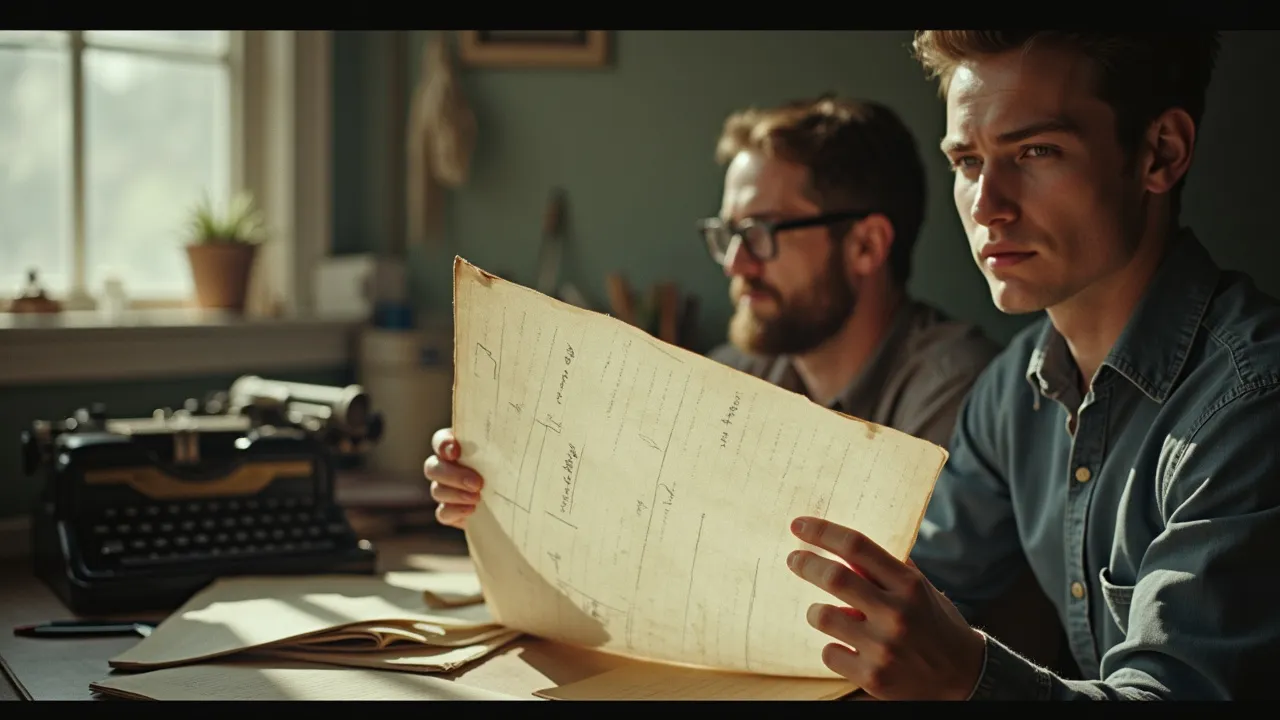
Celebrate the joy of awful verse on August 18th! Bad Poetry Day honors the freedom to write poorly, laugh at ourselves, and appreciate the beauty in imperfection. Join the movement to share your worst rhymes.
The Historical Origins & Evolutionary Journey
Bad Poetry Day began as a lighthearted rebellion against the tyranny of perfect rhyme and meter. Thomas Roy, a Pennsylvania-based publicist and creator of the Wellcat Holidays series, established the day in 1999 as a counterpoint to the highbrow solemnity often associated with poetry. Roy believed that everyone should feel empowered to write and share verse, regardless of skill level.
The Foundational Catalyst
The late 1990s saw a surge in informal holidays designed to bring joy and silliness into daily life. Roy, who had previously popularized holidays like "Hug Your Cat Day" and "Leave the Office Early Day," conceived Bad Poetry Day as an accessible entry point for creative expression. The first celebration involved Roy sending out press releases encouraging people to write intentionally terrible poems and share them with friends.
Legislative & Official Adoption
While never formally recognized by any government, Bad Poetry Day quickly gained traction in schools, libraries, and online communities. By the early 2000s, it was listed in Chase's Calendar of Events, a canonical reference for observances. This listing cemented its status as a genuine cultural event.
Modern Global Legacy
Today, Bad Poetry Day is celebrated across social media with hashtags like #BadPoetryDay and #August18th. It has spawned reading events, open mic nights where only "bad" poems are welcome, and even publishing houses that specialize in intentionally awful verse. The day serves as a reminder that creativity should be fun and inclusive.
How to Celebrate Bad Poetry Day
Bad Poetry Day offers endless opportunities for merriment and self-deprecation. Below are structured guides for individuals, schools, and organizations.
For Individuals
- Write a deliberately bad poem. Focus on forced rhymes, clichés, and awkward metaphors. The worse, the better.
- Host a virtual poetry slam via video call. Invite friends to read their worst work over snacks.
- Post your poem on social media with #BadPoetryDay. Encourage others to do the same.
- Create a zine of terrible poems and distribute it at local cafes.
For Schools
- Hold a classroom contest: Students submit poems critiqued on "badness" criteria like clichés or meter breaks.
- Analyze famous bad poetry: Study works like "The Tay Bridge Disaster" by William McGonagall, often called the worst poet in history.
- Organize a school-wide assembly where teachers read their own bad poems to encourage student participation.
For Organizations
- Office open mic: Employees share short, terrible poems during lunch breaks.
- Bad poetry email newsletter: Send a daily terrible verse to staff throughout the day.
- Partner with local libraries to host community bad poetry readings.
Regional variations exist: In the UK, some pubs host "Bad Poetry Nights" with pints of ale; in Japan, there are haiku contests where the twist is to break traditional structure.
The Therapeutic Value of Bad Poetry
Writing bad poetry has surprising psychological benefits. Dr. James Pennebaker's research on expressive writing shows that any form of emotional disclosure can improve mental health. Bad poetry lowers the stakes of creative perfection, reducing anxiety.
Stress Relief through Self-Deprecation
Creating something intentionally bad allows people to laugh at themselves and release pressure. A study published in the Journal of Creativity in Mental Health (2017) found that participants who wrote "silly" poems reported lower cortisol levels than those who attempted serious verse.
Building Creative Confidence
Bad Poetry Day encourages individuals who self-identify as "not creative" to engage in artistic acts. By removing the fear of failure, the day builds a bridge to more serious creative pursuits. Many professional poets began by writing terrible verse.
- Example: Poet Rupi Kaur has credited her early "bad" poems with helping her find her voice.
- Activity: Try a "bad poem a day" challenge for a month. Notice how your inhibitions fade.
Bad Poetry in Popular Culture
Bad poetry has carved a niche in entertainment and media. William McGonagall (1825–1902) is considered the worst poet in English literature, yet his works remain in print due to their unintentional humor. He is often celebrated on Bad Poetry Day.
Film and Television
- The Princess Bride: The character Fezzik recites a famously bad rhyme about a dead man.
- Parks and Recreation: The episode "Flu Season" features a terrible poem by Ron Swanson that goes viral in the show's universe.
- Blackadder: The character Baldrick's poetic attempts epitomize bad verse.
Music and Comedy
Many comedians have used bad poetry as a sketch tool. The "Bad Poetry" trope appears in improv games, and songs like "Escape (The Piña Colada Song)" are often cited as examples of lyrically questionable yet beloved hits.
The Role of Bad Poetry in Education
Educators have embraced Bad Poetry Day as a teaching tool. By removing the pressure to produce "good" work, students can focus on playful experimentation with language.
Curriculum Integration
- Elementary: Students learn rhyme schemes by intentionally breaking them, reinforcing rules through playful violation.
- Middle School: Encourage parody poems based on famous works. This teaches structure and critical analysis.
- High School: Analyze historical bad poetry to explore shifts in literary taste. For instance, much of 19th-century sentimental poetry is now considered "bad."
Benefits for Reluctant Writers
Bad Poetry Day has been shown to increase engagement among students who dislike writing. A 2021 survey by the National Council of Teachers of English found that bad poetry workshops reduced writing anxiety by 34%.
Regional Celebrations and Variations
While August 18th is the primary date, some regions celebrate on alternative days or incorporate local literary traditions.
United States
Observed on the second Saturday of August in some states to accommodate outdoor readings. The tradition of reading William McGonagall's The Tay Bridge Disaster aloud is common.
United Kingdom
The UK has a longer history of embracing bad poetry, with the Bad Poetry Society holding events throughout the year. Their annual "Worst Poet Alive" contest is held on August 18th at the Edinburgh Fringe Festival.
Japan
In Japan, Bad Poetry Day coincides with Haiku Nige (fleeing haiku), where participants deliberately break the 5-7-5 syllable rule. Some celebrate on August 15th.
Australia
Australian celebrations often involve publishing "bad bush ballads" and hosting barbecues where terrible poems are recited. The date is fixed as August 18th.
These variations highlight the universal appeal of low-stakes creativity. No matter where you are, the core message remains: embrace imperfection.
Historical Timeline
Thomas Roy establishes Bad Poetry Day as part of his Wellcat Holidays series, encouraging people to share intentionally terrible poems on August 18th.
Bad Poetry Day is first listed in Chase's Calendar of Events, gaining national recognition.
The inaugural Bad Poetry Slam is held in Portland, Oregon, attracting over 100 participants.
Social media amplifies the day; #BadPoetryDay trends on Twitter for the first time, reaching over 500,000 posts.
The Bad Poetry Society is founded in London, organizing monthly events and an annual 'Worst Poet Alive' contest.
Virtual celebrations surge during the COVID-19 pandemic, with online readings streamed globally.
Bad Poetry Day is officially recognized by the United Nations as an informal observance promoting creative expression (non-binding resolution).