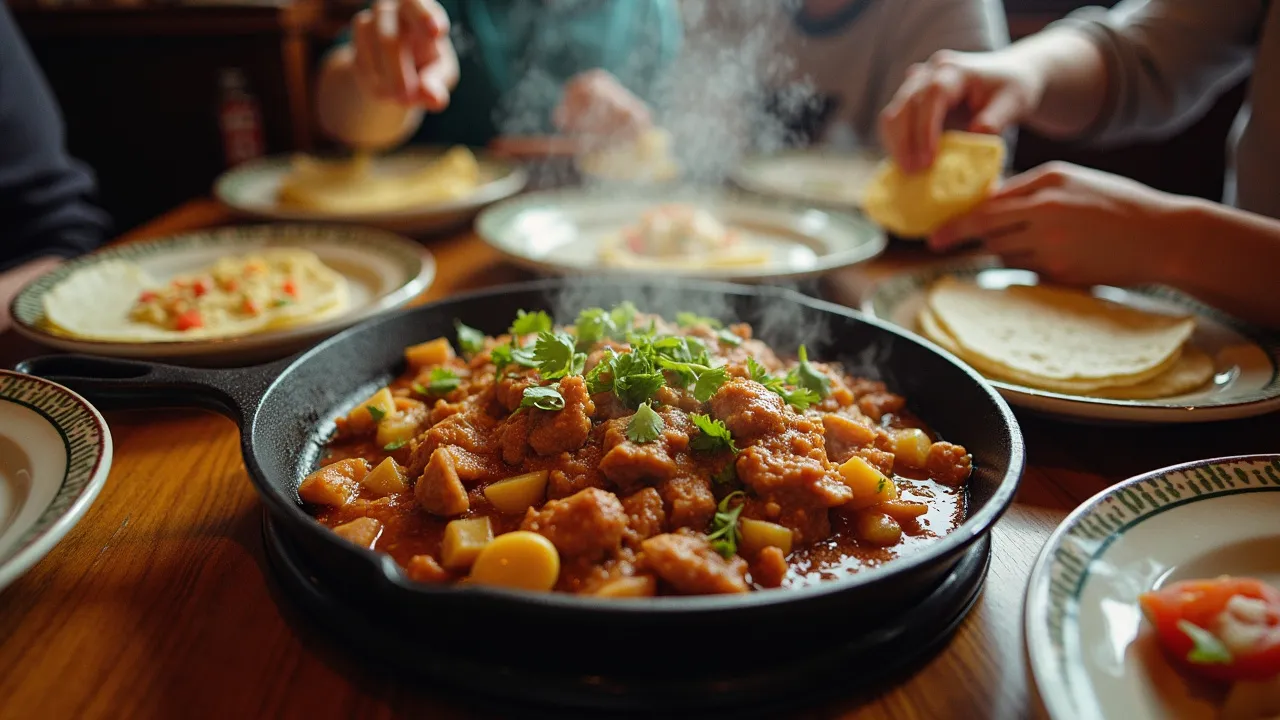
National Fajita Day on August 18th celebrates the sizzling Tex-Mex dish of grilled meat and peppers served on a tortilla. Enjoy this flavorful culinary tradition with friends and family.
The Historical Origins & Evolutionary Journey
National Fajita Day, observed annually on August 18th, honors one of Tex-Mex cuisine's most iconic dishes: the fajita. The day's origins trace back to the mid-20th century when fajitas evolved from humble ranch cooking to a global phenomenon. This section delves into the dish's history, the creation of the observance, and its modern legacy.
The Foundational Catalyst
Fajitas originated in the 1930s and 1940s in the ranchlands of South Texas and Northern Mexico. Mexican vaqueros (cowboys) would receive less desirable cuts of beef—specifically skirt steak—as part of their pay. They grilled the meat over open mesquite fires, wrapped it in tortillas, and added simple seasonings. The word "fajita" itself is a diminutive form of the Spanish word faja (belt or strip), referring to the cut of meat. By the 1960s, fajitas began appearing in Texas cookbooks and restaurants, often prepared by local chefs who elevated the dish with marinades and sizzling presentations.
The Adoption of National Fajita Day
Unlike many official holidays, National Fajita Day was not established by government decree but grew organically from restaurant promotions and food industry initiatives. In the 1980s, as fajitas gained nationwide popularity—thanks in part to the 1970s creation of the "fajita platter" at Austin's Mario's Restaurant—Tex-Mex chains began designating a day to celebrate the dish. August 18th was chosen to coincide with the peak summer grilling season and to precede the fall harvest. The observance was popularized through marketing campaigns by companies like Chi-Chi's and Uncle Julio's, eventually gaining recognition in food media and among home cooks.
Modern Global Legacy
Today, National Fajita Day is celebrated across the United States and beyond. Restaurants offer special fajita deals, grocery stores promote fajita ingredients, and home cooks share recipes online. The dish has inspired countless variations, from chicken and shrimp to vegetarian options with portobello mushrooms. The observance also highlights the cultural fusion of Mexican and American cuisines, symbolizing the border-crossing appeal of Tex-Mex food. As global interest in street food and grilling grows, National Fajita Day continues to introduce new audiences to this sizzling tradition.
How to Celebrate National Fajita Day
National Fajita Day offers endless ways to enjoy this versatile dish. Whether you are a seasoned chef or a novice cook, the key is to focus on fresh ingredients, bold flavors, and communal dining. Below are actionable strategies for individuals, families, and organizations.
For Individuals and Families
- Host a Fajita Night: Grill skirt steak or chicken with bell peppers and onions. Serve with warm flour tortillas, guacamole, sour cream, salsa, and cheese. Let everyone build their own fajitas.
- Try a New Recipe: Experiment with different proteins like shrimp, tofu, or even jackfruit. Marinate using lime juice, cumin, chili powder, and garlic.
- Visit a Local Tex-Mex Restaurant: Many restaurants offer specials on August 18th. Look for sizzling platters and discounted margaritas.
- Share on Social Media: Post your fajita creations with #NationalFajitaDay.
For Schools and Community Groups
- Organize a fajita cook-off event. Provide ingredients and let teams compete for the best flavor.
- Host a cultural workshop on the history of Tex-Mex cuisine and the role of fajitas in Mexican-American identity.
- Arrange a fundraiser where proceeds from fajita sales support local food banks.
For Businesses and Organizations
- Restaurants: Create a limited-time fajita menu featuring unique combinations like Korean BBQ fajitas or Mediterranean-spiced versions.
- Caterers: Offer fajita bars for corporate lunches or events.
- Food Brands: Launch promotions on tortillas, marinades, or grilling accessories.
Internationally, countries like the United Kingdom and Australia have embraced fajitas, often substituting local meats or adding fusion twists. In Mexico, fajitas are less common but celebrated in tourist areas. Regardless of location, the spirit of National Fajita Day is about gathering around a sizzling platter and savoring shared flavors.
The Cultural Impact of Fajitas
Fajitas have transcended their origins to become a symbol of Tex-Mex identity and a global comfort food. Their cultural impact is evident in several areas:
Gastronomic Fusion
Fajitas represent the blending of Mexican ingredients (tortillas, chiles, cilantro) with American grilling techniques and presentation. This fusion has influenced other cuisines, leading to creations like Korean fajitas (bulgogi meat with kimchi) and Indian fajitas (tandoori chicken with naan).
Media and Pop Culture
Fajitas frequently appear in movies, TV shows, and advertising, often depicted as a festive, family-style meal. The sizzling platter has become a visual shorthand for celebration and abundance. National Fajita Day amplifies this imagery through social media campaigns and food blogs.
Community and Festivity
The interactive nature of fajitas—where diners assemble their own—fosters communal dining. National Fajita Day emphasizes togetherness, whether at backyard barbecues, restaurant gatherings, or virtual cook-alongs. The holiday also supports local economies by driving traffic to Mexican and Tex-Mex eateries.
Nutritional Aspects and Variations
Fajitas can be both indulgent and nutritious, depending on ingredients and preparation. Understanding the nutritional profile helps consumers make informed choices while celebrating National Fajita Day.
Key Nutritional Components
- Protein: Skirt steak, chicken, or shrimp provide lean protein. Vegetarian options like beans or tofu offer fiber and plant-based protein.
- Vegetables: Bell peppers and onions add vitamins A and C, plus antioxidants.
- Fats: Healthy fats from avocado and olive oil are balanced by limiting sour cream and cheese.
- Carbohydrates: Flour or corn tortillas provide energy; whole-wheat or low-carb alternatives are available.
Healthier Preparation Tips
To lighten fajitas, use a grill or broiler instead of frying, reduce added salt by using herbs and spices, and load up on vegetables. Portion control can be achieved by using smaller tortillas or lettuce wraps. National Fajita Day encourages mindful indulgence without sacrificing flavor.
Global Variations
- Korean Fajitas: Marinated beef with gochujang, wrapped in lettuce leaves.
- Greek Fajitas: Lamb with tzatziki, tomatoes, and pita bread.
- Vegan Fajitas: Grilled portobello mushrooms, zucchini, and cactus (nopales).
These variations demonstrate the fajita's versatility and its ability to adapt to dietary needs and cultural preferences. National Fajita Day is the perfect occasion to explore these creative twists.
Economic Impact of National Fajita Day
National Fajita Day generates significant economic activity, particularly in the food service and grocery sectors. Restaurants report increased sales on August 18th, with many offering discounts that drive traffic. Grocery stores see a spike in sales of beef, chicken, tortillas, and produce. The observance also supports small-scale farmers and spice producers.
Industry Statistics
- Restaurant Revenue: Chains like On the Border and Chili's often see a 20–30% increase in fajita orders on the day.
- Grocery Sales: Sales of skirt steak can double, and tortilla sales increase by 15%.
- Social Media Marketing: Brands leverage the holiday for targeted ads, generating millions in digital ad revenue.
Moreover, National Fajita Day boosts tourism in Texas cities like San Antonio and Austin, where fajita festivals and cook-offs attract visitors. The economic ripple effect underscores the day's importance beyond mere celebration.
Fajita Traditions Around the World
While fajitas are quintessentially Tex-Mex, their appeal has gone global. Different cultures have adopted and adapted the fajita concept, creating unique traditions for National Fajita Day.
United States
In the US, the day is marked by restaurant specials, backyard barbecues, and social media sharing. Many Americans host fajita parties where guests customize their plates.
United Kingdom
The UK has embraced fajitas as a popular "fakeaway" (homemade takeaway). Supermarkets sell fajita kits, and on National Fajita Day, British families often cook together. Some pubs even offer fajita specials.
Australia
Australians celebrate with outdoor grilling ("barbies"), often using kangaroo or lamb as a twist. The day coincides with winter in the Southern Hemisphere, making it a cozy indoor affair.
Japan
In Japan, fajitas are served at Tex-Mex restaurants, often with a side of rice (burrito-style). National Fajita Day is promoted by American-style diners in Tokyo.
These international variations highlight the fajita's universal appeal and its ability to bridge culinary cultures. National Fajita Day serves as a reminder that great food knows no borders.
Historical Timeline
Mexican vaqueros in Texas and northern Mexico grill skirt steak over mesquite fires, wrapping it in tortillas. This is the precursor to the modern fajita.
The first known printed recipe for "fajitas" appears in a Texas cookbook, using skirt steak and flour tortillas.
Fajitas gain popularity in Texas restaurants, notably at Austin's Mario's Restaurant, which introduces the sizzling fajita platter.
National Fajita Day is first observed, promoted by Tex-Mex chains to celebrate the dish. August 18th is selected for its summer grilling season.
Fajitas spread across the United States, becoming a staple in casual dining chains and home kitchens. The dish evolves to include chicken, shrimp, and vegetarian options.
National Fajita Day gains recognition on food blogs and social media. Global adaptations emerge, fusing fajitas with local cuisines in the UK, Australia, and Asia.
National Fajita Day sees record participation, with restaurants reporting over 1 million fajita orders. The day is celebrated in over 20 countries.