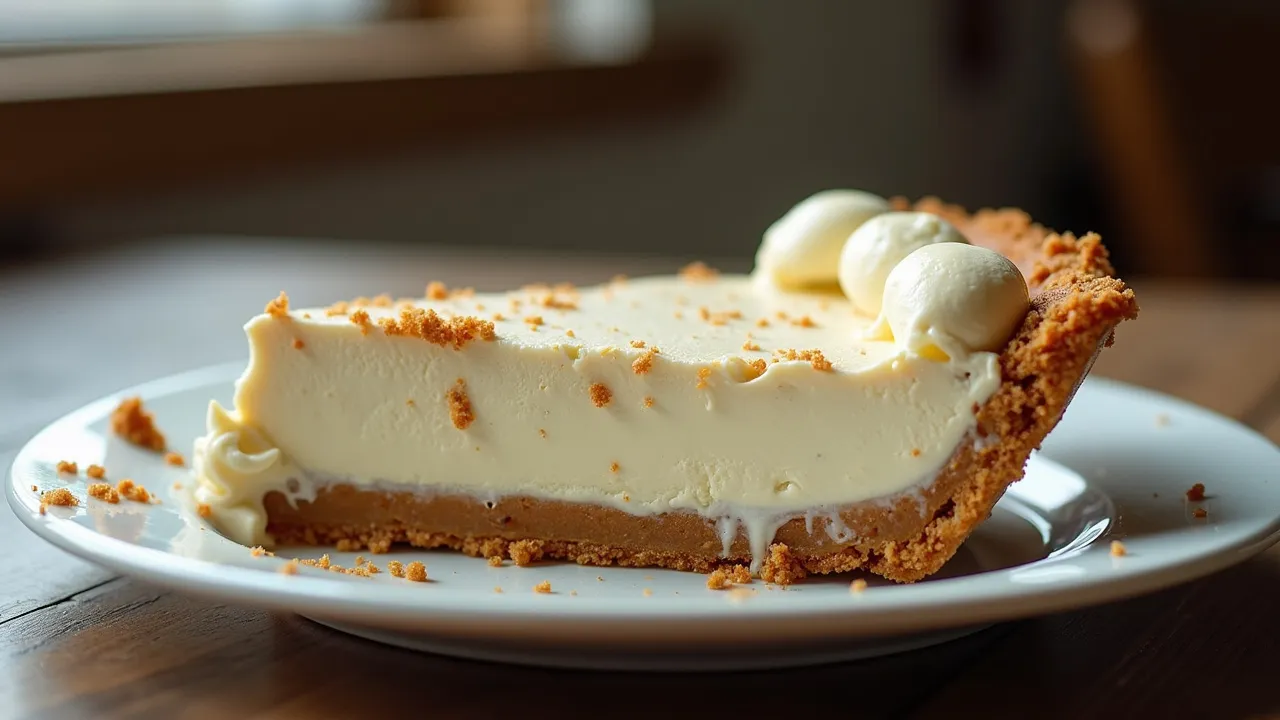
National Ice Cream Pie Day on August 18th celebrates the delightful fusion of creamy ice cream and crisp pie crust. This day honors its origins, global variations, and the joy of crafting this beloved dessert.
The Historical Origins & Evolutionary Journey
National Ice Cream Pie Day, observed annually on August 18th, pays homage to a dessert that marries two beloved treats: ice cream and pie. While the precise origins of this food holiday remain murky, the concept of ice cream pie emerged in the early 20th century as refrigeration technology advanced. Ice cream pies likely evolved from icebox cakes and frozen desserts, becoming a staple of American summer cuisine.
The Foundational Catalyst
The invention of mechanical refrigeration in the 19th century made ice cream accessible beyond wealthy households. By the 1920s, home ice cream makers and commercial freezers allowed families to experiment with frozen desserts. Cookbooks from the 1930s began featuring recipes for ice cream pies—typically a crumb crust filled with softened ice cream and re-frozen. The dish gained popularity during the post-World War II era, when convenience foods and frozen desserts dominated American kitchens.
The Legislative/Official Adoption
Unlike some food holidays established by trade groups, National Ice Cream Pie Day seems to have grassroots origins. It is not officially recognized by the U.S. Congress but is widely promoted by ice cream brands, bakeries, and food bloggers. Its date, August 18th, falls during peak summer, when ice cream consumption is highest. The holiday likely gained traction through social media and food marketing campaigns in the early 21st century.
Modern Global Legacy
Today, ice cream pie transcends borders. In Japan, ice cream pies often feature matcha or azuki bean flavors with a pastry crust. In Argentina, helado de pie incorporates dulce de leche. The dessert has become a canvas for culinary creativity, from vegan coconut-based versions to boozy adult renditions. National Ice Cream Pie Day now inspires countless home bakers and professional pastry chefs to innovate while honoring tradition.
How to Celebrate National Ice Cream Pie Day
Participating in National Ice Cream Pie Day is simple and delicious. Whether you prefer classic recipes or exotic twists, the day offers endless possibilities. Below are detailed strategies for individuals, families, and organizations to join the celebration.
Individual Celebration Tips
- Bake a Classic Pie Crust: Use graham cracker, cookie, or pastry crust as your base. Chill it thoroughly before adding softened ice cream.
- Choose Premium Ice Cream: Opt for high-quality ice cream with low overrun for a denser, creamier pie. Vanilla, chocolate, or strawberry are traditional.
- Add Toppings: Layer hot fudge, caramel, whipped cream, nuts, or fresh fruit. Freeze the assembled pie for at least 4 hours.
Group and School Activities
- Host a Pie-Making Party: Gather friends or classmates to create individual mini ice cream pies. Provide various crusts and toppings for customization.
- Organize a Tasting Contest: Invite participants to bring their own versions. Judge on taste, creativity, and presentation.
- Charity Bake Sale: Sell slices to raise funds for a local cause. Promote the event as a National Ice Cream Pie Day celebration.
Corporate and Community Rituals
Businesses can offer special promotions: ice cream parlors might introduce a limited-time pie flavor, while offices can surprise employees with a dessert cart. Social media campaigns using #NationalIceCreamPieDay encourage sharing photos and recipes, building community around the holiday. For a global twist, consider cultural variations: a sundae pie in the United States, a gelato pie in Italy, or a kulfi pie in India. Each region's unique ingredients—like coconut milk, saffron, or cinnamon—can inspire authentic adaptations.
Global Impact and Cultural Significance
National Ice Cream Pie Day not only satisfies sweet cravings but also reflects cultural exchange and culinary evolution. Ice cream pie serves as a symbol of summer, indulgence, and community across diverse societies.
Regional Variations
- United States: The classic version features a crumb crust and is often served with chocolate syrup. Variations include key lime ice cream pie and s'mores pie.
- Italy: Gelato pies use a flaky pastry crust and incorporate flavors like stracciatella or pistachio. They are often lighter and less sweet.
- Mexico: Fried ice cream pie is a novelty, but frozen paleta-inspired pies with tropical fruits are common.
Cultural Themes
The holiday underscores themes of indulgence in moderation and the joy of homemade desserts. In an era of dietary restrictions, the day also promotes inclusivity through dairy-free, gluten-free, and low-sugar recipes. Social media amplifies the holiday's reach, with influencers and chefs sharing elaborate creations that blend tradition with innovation.
The Art and Science of Ice Cream Pie
Crafting the perfect ice cream pie requires understanding both culinary art and food science. Texture, temperature, and timing are critical.
The Crust
A good crust provides structural integrity and flavor contrast. Common choices include:
- Graham Cracker Crust: Crushed crackers mixed with melted butter and sugar. Bake briefly for a crunchy base.
- Cookie Crust: Using Oreos, shortbread, or chocolate wafers. No-bake versions are quick but less sturdy.
- Pastry Crust: Blind-baked for a flaky, buttery layer. Works well for fruit-flavored ice cream pies.
Ice Cream Selection
The ice cream must be softened to a spreadable consistency before filling—typically 10-20 minutes at room temperature. Premium ice creams with high butterfat content (14% or more) yield a creamier texture after freezing. Avoid low-fat or high-overrun varieties that can become icy.
Freezing and Serving
After assembling, freeze the pie uncovered for 30 minutes, then wrap tightly with plastic wrap to prevent freezer burn. Allow 5-10 minutes at room temperature before slicing. A warm knife dipped in hot water creates clean edges.
Nutritional Considerations and Diet Trends
While National Ice Cream Pie Day celebrates indulgence, modern diets have inspired healthier adaptations. Nutritional awareness does not have to dull the celebration.
Lighter Alternatives
- Reduced-Fat Ice Cream: Use low-fat or no-sugar-added varieties, but be aware they may be less creamy.
- Frozen Yogurt Pie: Offers tanginess and lower fat. Greek yogurt provides protein.
- Vegan and Dairy-Free: Coconut milk, almond milk, or cashew-based ice creams work well. Pair with a nut-based crust.
- Gluten-Free Crusts: Use almond flour, gluten-free cookies, or crushed rice cereal.
Portion Control
Mini pies made in muffin tins allow for smaller servings. Alternatively, slice a larger pie into thin wedges. Mindful eating encourages savoring each bite without overindulgence.
Industry Transformation and Economic Impact
The ice cream pie phenomenon influences the dessert industry, from artisanal shops to large corporations. National Ice Cream Pie Day drives seasonal sales and innovation.
Market Trends
According to industry reports, frozen dessert sales spike in August, with ice cream pies accounting for a notable share. Brands like Häagen-Dazs and Baskin-Robbins have launched limited-edition pie flavors. Small bakeries often see a 30% increase in orders for custom ice cream pies around this date.
Economic Ripple
The holiday supports dairy farmers, fruit growers, and chocolate producers. It also boosts tourism in regions known for unique ice cream pies, such as the Frozen Custard Pie in Wisconsin or Sugar Pie variations in Quebec. Social media trends create viral opportunities for small businesses to gain exposure.
Historical Timeline
Ice cream becomes more accessible with the invention of the hand-crank freezer, laying groundwork for frozen desserts like ice cream pie.
Home refrigeration spreads, allowing families to experiment with frozen pies. Early recipes appear in community cookbooks.
Post-war convenience foods boom. Ice cream pie becomes a popular dessert for backyard barbecues and potlucks.
The first known mention of 'National Ice Cream Pie Day' appears in a local newspaper calendar, though not widely adopted.
Food blogs and social media popularize the holiday. Brands leverage the date for marketing campaigns.
Global pandemic leads to a surge in home baking, with ice cream pie recipes trending on platforms like Pinterest and Instagram.