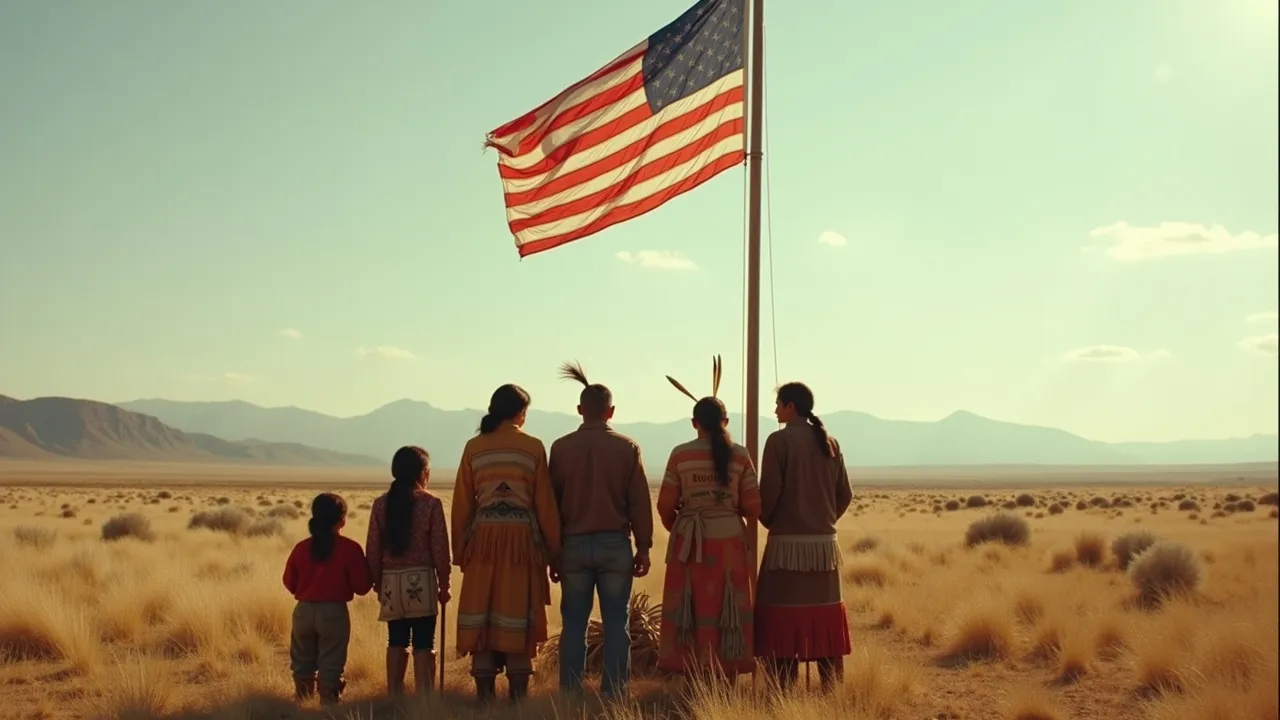
American Indian Citizenship Day, observed on June 2nd, commemorates the Indian Citizenship Act of 1924 which granted U.S. citizenship to Native Americans. It honors the contributions and resilience of Indigenous peoples.
The Historical Origins & Evolutionary Journey of American Indian Citizenship Day
American Indian Citizenship Day, observed annually on June 2nd, marks the profound turning point when Native Americans were finally recognized as full U.S. citizens. This day, deeply rooted in struggle and advocacy, reflects over a century of legal battles, tribal diplomacy, and societal transformation. Below, we dissect the foundational catalyst, legislative adoption, and modern legacy of this pivotal observance.
The Foundational Catalyst: A Century of Disenfranchisement
Prior to 1924, Native Americans were largely excluded from U.S. citizenship. The 14th Amendment (1868) granted citizenship to "all persons born or naturalized in the United States" but was interpreted to exclude Native Americans under tribal sovereignty. The Elk v. Wilkins Supreme Court case (1884) affirmed this exclusion, ruling that Native Americans were not citizens unless they "severed tribal relations." This legal limbo left Indigenous peoples without voting rights, property protections, or equal access to justice—a condition that fueled decades of activism by leaders like Dr. Charles Eastman and organizations such as the Society of American Indians.
The Legislative Adoption: The Indian Citizenship Act of 1924
After persistent lobbying, Congress passed the Indian Citizenship Act (Snyder Act) on June 2, 1924. President Calvin Coolidge signed it into law, granting full U.S. citizenship to all Native Americans born within the territorial limits of the United States. The law was partly motivated by the significant contributions of Indigenous soldiers in World War I—over 12,000 Native Americans served, yet they were not citizens. However, the act also had dual intentions: while granting rights, it also furthered assimilationist policies aimed at dissolving tribal sovereignty. Many tribes remained opposed, seeing citizenship as a threat to their autonomy and treaty rights.
Modern Global Legacy: Ongoing Struggles and Celebrations
While the act was historic, it did not immediately end discrimination. States like Arizona and New Mexico denied Native Americans the right to vote until the 1940s and 1950s. It took the Indian Civil Rights Act of 1968 and the Voting Rights Act to enforce equal access. Today, American Indian Citizenship Day is observed with powwows, educational events, and intertribal gatherings. It serves as a reminder of the ongoing fight for tribal sovereignty, cultural preservation, and social justice. Globally, similar movements for Indigenous citizenship—such as the UN Declaration on the Rights of Indigenous Peoples (2007)—echo this legacy.
How to Celebrate American Indian Citizenship Day
Celebrating American Indian Citizenship Day is an opportunity to honor Native American heritage, educate communities, and advocate for Indigenous rights. Below are actionable strategies for individuals, schools, organizations, and communities to observe this day meaningfully.
Individual Actions
- Educate Yourself: Read books by Native authors like Tommy Orange, Joy Harjo, or Vine Deloria Jr. Watch documentaries such as We Shall Remain or The American Experience: The Trail of Tears.
- Support Indigenous Businesses: Purchase art, crafts, or food from Native-owned enterprises. Websites like Beyond Buckskin and Native American Merchants offer directories.
- Attend Virtual or Local Events: Many tribes host online webinars, cultural dances, or storytelling sessions. Check tribal websites or local cultural centers.
- Engage in Advocacy: Write to elected officials supporting the Indian Child Welfare Act or tribal sovereignty bills. Volunteer with organizations like the National Congress of American Indians.
School and Educational Activities
- Classroom Lessons: Incorporate accurate Native American history into curricula—emphasize tribal diversity, contributions, and contemporary issues.
- Guest Speakers: Invite local tribal elders or historians to share experiences.
- Art Projects: Create traditional crafts like dreamcatchers, beadwork, or pottery under guidance from Native artists.
- Land Acknowledgment: Start the day with a land acknowledgment recognizing the original stewards of the territory.
Organizational and Corporate Engagement
- Staff Training: Host workshops on cultural competency, bias, and Indigenous history.
- Community Partnerships: Collaborate with tribal colleges or nonprofits for donation drives or volunteer days.
- Social Media Campaigns: Share stories of Native leaders, historical milestones, and calls to action using hashtags like #AmericanIndianCitizenshipDay.
Global Traditions and Regional Variations
While primarily a U.S. observance, Indigenous communities worldwide mark similar days. In Canada, National Indigenous Peoples Day (June 21) celebrates First Nations, Métis, and Inuit contributions. In New Zealand, Waitangi Day (February 6) recognizes Māori rights. On American Indian Citizenship Day, many tribes in the U.S. host powwows featuring drum circles, fry bread, and regalia dances. Others conduct ceremonial flag raisings or community feasts. The day is also used to push for Native American voting rights, particularly in states with restrictive voter ID laws.
The Legal and Political Impact of Citizenship on Tribal Sovereignty
The Indian Citizenship Act of 1924 had complex implications for tribal sovereignty. While granting citizenship, the U.S. government continued to view tribes as "domestic dependent nations" under federal plenary power. This section explores the legal tensions that followed.
Dual Citizenship: Tribal vs. U.S.
Native Americans today hold dual citizenship—they are both citizens of their tribal nations and of the United States. This dual status often leads to jurisdictional conflicts. For example, tribes have authority over their lands but federal law can override tribal courts in major crimes under the Major Crimes Act (1885). The Indian Self-Determination and Education Assistance Act (1975) gave tribes more control over programs, but sovereignty remains contested.
Voting Rights and Representation
Despite citizenship, Native Americans faced systemic barriers to voting. Literacy tests, poll taxes, and residency requirements were used to disenfranchise them. The Voting Rights Act of 1965 and subsequent amendments reduced these barriers, but modern challenges like voter ID laws disproportionately affect Native voters, many of whom lack standard addresses on reservations. Advocacy groups like Four Directions work to ensure equal access.
Cultural Resilience: How Citizenship Affected Native Identity and Traditions
American Indian Citizenship Day also highlights the tension between assimilation and cultural preservation. The 1924 Act was part of a broader policy to "Americanize" Native peoples, yet many tribes resisted losing their languages, religions, and customs.
Boarding Schools and Generational Trauma
Simultaneously with the citizenship act, the U.S. government operated Indian boarding schools that forcibly separated children from families. These schools suppressed Native languages and traditions. The trauma of these experiences—now recognized as cultural genocide—continues to affect communities. Resilience, however, is evident in the revitalization of Native languages through immersion programs and the Indian Religious Freedom Act of 1978, which restored religious rights.
Modern Cultural Movements
Today, Native artists, writers, and filmmakers are reclaiming narratives. Events like the Native American Music Awards and films like Killers of the Flower Moon bring Indigenous stories to mainstream audiences. American Indian Citizenship Day serves as a platform to celebrate these achievements while acknowledging historical wounds.
Key Figures and Organizations in the Struggle for Indian Citizenship
The path to citizenship was paved by Indigenous leaders and allies. Highlighting their contributions deepens understanding of this day.
Dr. Charles Eastman (Ohiyesa)
A Santee Dakota physician, author, and activist, Eastman was a founding member of the Society of American Indians (1911). He testified before Congress and wrote prolifically about Native rights, helping shift public opinion.
Zitkála-Šá (Gertrude Bonnin)
A Yankton Dakota writer and activist, Zitkála-Šá co-founded the National Council of American Indians and advocated for citizenship and land rights. Her writings exposed the corruption of the Bureau of Indian Affairs.
Society of American Indians
This first pan-Indian organization, led by educated Native professionals, pushed for citizenship, better health care, and educational access. Though controversial among traditionalists, it laid the groundwork for later advocacy groups like the National Congress of American Indians (1944).
Economic and Social Transformations Since 1924
Citizenship unlocked opportunities but also introduced new challenges in economic development and social integration. This section examines the post-1924 landscape.
Land Rights and Allotment
The Dawes Act (1887) had already carved up reservations into individual allotments, leading to massive land loss. Citizenship did not reverse this; by 1934, Native land holdings had shrunk from 138 million acres to 48 million acres. The Indian Reorganization Act (1934) ended allotment and encouraged tribal self-government, but poverty persisted.
Urban Relocation and Its Aftermath
In the 1950s, the U.S. government's Urban Relocation Program moved thousands of Native Americans to cities like Los Angeles, Chicago, and Denver for job training. While some found jobs, many faced racism and cultural isolation. This migration created new urban Indigenous communities and organizations, but also deepened economic disparities.
Contemporary Economic Initiatives
Today, many tribes run successful gaming operations, renewable energy projects, and tourism enterprises. The Indian Gaming Regulatory Act (1988) paved the way for casinos, which fund education, health care, and infrastructure. American Indian Citizenship Day is also a time to promote Native entrepreneurship and sustainable development.
Historical Timeline
The U.S. Supreme Court case Elk v. Wilkins rules that Native Americans are not citizens under the 14th Amendment, reinforcing their exclusion from citizenship.
The Society of American Indians, the first pan-Indian reform organization, is founded to advocate for citizenship and rights.
President Calvin Coolidge signs the Indian Citizenship Act on June 2, granting U.S. citizenship to all Native Americans born in the United States.
The Indian Reorganization Act ends land allotment, supports tribal self-government, and promotes economic development on reservations.
Arizona and New Mexico are the last states to grant Native Americans the right to vote, following a lawsuit (Trujillo v. Garley) and state constitutional amendments.
The Indian Civil Rights Act extends most Bill of Rights protections to tribal governments but limits judicial authority.
The Indian Self-Determination and Education Assistance Act empowers tribes to contract federal programs, increasing autonomy.
The Native American Graves Protection and Repatriation Act (NAGPRA) requires museums to return Indigenous cultural items and human remains.
The United Nations Declaration on the Rights of Indigenous Peoples is adopted, with the U.S. endorsing it in 2010.
The U.S. Supreme Court decision in McGirt v. Oklahoma reaffirms that much of eastern Oklahoma remains Native American reservation land, impacting criminal jurisdiction and tribal sovereignty.