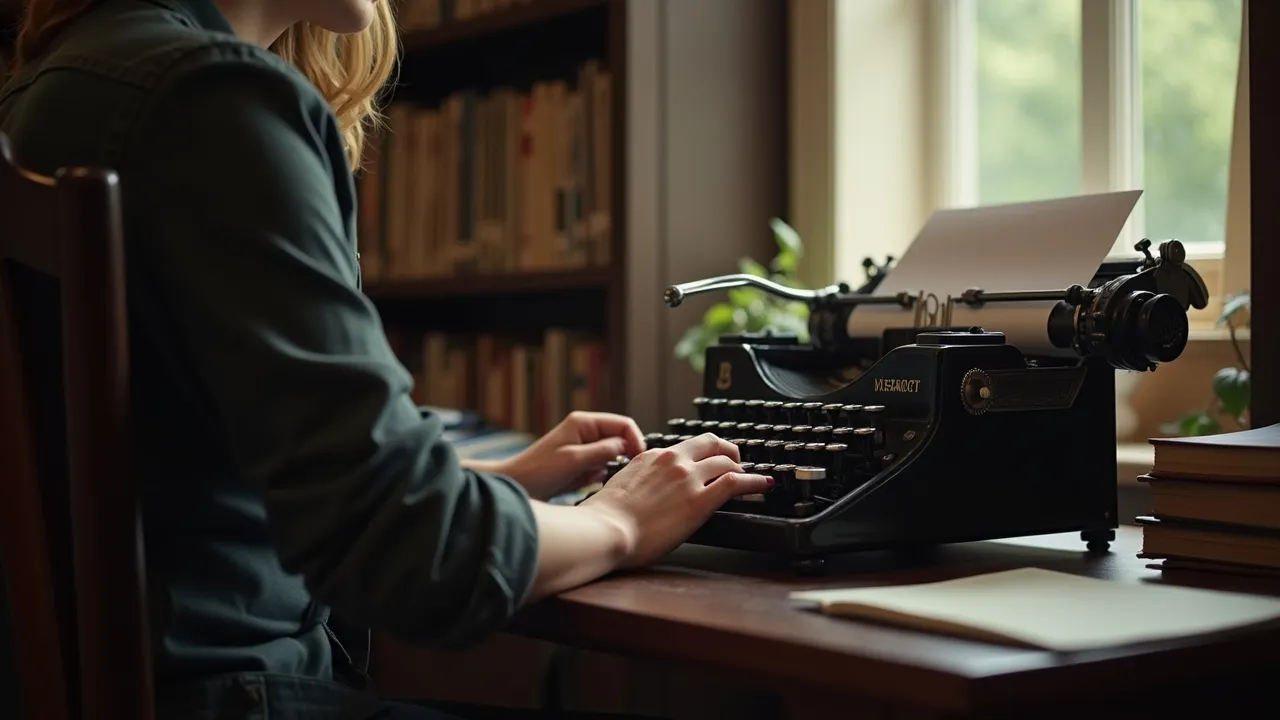
World Typing Day on January 8th celebrates the skill of typing and its impact on communication. Discover the history, global traditions, and how to improve your typing speed and accuracy.
The Historical Origins & Evolutionary Journey
World Typing Day, observed annually on January 8th, honors the art and science of typing—a skill that has transformed human communication, productivity, and creativity. The day was first celebrated in 2011, initiated by typing enthusiasts, educators, and organizations dedicated to preserving and promoting typing proficiency. While not an official United Nations holiday, it has gained traction globally through online communities, schools, and typing competitions.
The Foundational Catalyst: The Invention of the Typewriter
Typing as a mechanical skill was born with the invention of the typewriter. In 1868, Christopher Latham Sholes patented the first practical typewriter, leading to the mass-produced Sholes and Glidden typewriter in 1873. Early typists used the "hunt-and-peck" method until 1888, when Frank Edward McGurrin, a court stenographer, introduced touch typing—typing without looking at the keys. McGurrin’s method dramatically increased speed and accuracy, setting the stage for modern typing.
The QWERTY keyboard layout, designed to prevent mechanical jams, became the global standard by the early 20th century. Typing schools proliferated, especially for women seeking clerical jobs. The 1920s through 1940s saw typing as a critical business skill, with competitions like the International Typing Contest showcasing elite typists.
The Legislative/Official Adoption of World Typing Day
World Typing Day began as a grassroots effort to revive interest in typing amid the rise of voice recognition and mobile emojis. In 2011, a coalition of typing instructors, tech bloggers, and competitive typists declared January 8th as a day to practice, teach, and celebrate typing. The date was chosen because it fell after New Year’s resolutions and before major academic deadlines, making it ideal for skill-building initiatives. Social media campaigns using #WorldTypingDay helped spread awareness, and typing speed test websites like TypingTest.com and 10fastfingers.com promoted the day with global leaderboards and challenges.
Modern Global Legacy
Today, World Typing Day is observed in over 50 countries. Schools hold typing bees, companies offer speed-typing workshops, and online platforms host tournaments. The day also advocates for digital literacy, emphasizing that typing remains a fundamental skill in the digital age. Despite predictions of its decline, typing has adapted to new interfaces—touchscreens, split keyboards, and ergonomic designs—proving its enduring relevance.
How to Celebrate World Typing Day
World Typing Day offers a chance for individuals, schools, and organizations to engage with typing in creative and productive ways. Below are actionable strategies tailored to different groups and cultures.
For Individuals
- Take a Typing Test: Use free tools like 10fastfingers.com or Typing.com to measure your words per minute (WPM) and accuracy. Set a personal goal for improvement.
- Learn Touch Typing: Dedicate 30 minutes to practice proper finger placement using online tutorials (e.g., Keybr.com or Ratatype). Focus on the home row keys (ASDF and JKL;).
- Type a Letter or Journal Entry: Write a physical letter to a friend or a reflective journal entry. The act of typing with intention improves cognitive focus.
- Participate in a Competition: Join the World Typing Day global tournament on Nitrotype.com or TypeRacer.com. Compete against typists worldwide for leaderboard rankings.
For Schools and Educators
- Host a Typing Bee: Organize a school-wide competition with categories for speed and accuracy. Offer prizes like typing-themed stickers or certificates.
- Integrate Typing into Lessons: Use typing exercises to practice spelling, vocabulary, or foreign language typing. Tools like TypingClub provide curriculum-aligned modules.
- Invite a Guest Speaker: Arrange a virtual talk with a professional typist, transcriptionist, or programmer to discuss the role of typing in their career.
For Organizations and Businesses
- Conduct a Typing Workshop: Offer a lunch-and-learn session on ergonomic typing techniques to reduce strain and boost productivity.
- Launch a Team Challenge: Use platforms like Monkeytype to foster friendly competition. Track team averages over the week.
- Promote Digital Accessibility: Encourage the use of dictation software and adaptive keyboards for employees with disabilities, highlighting typing as an inclusive skill.
Regional Variations
In the United States, World Typing Day often coincides with National Typing Week activities in schools. In India, where typing is a key skill for data entry jobs, community centers host free typing camps. In Japan, enthusiasts celebrate with retro typewriter meetups, typing haikus on vintage machines. European countries emphasize bilingual typing through online challenges. These regional adaptations underscore the universal appeal of typing.
Global Impact: Typing as a Catalyst for Change
Typing transcends borders, enabling communication across languages and cultures. World Typing Day highlights how this skill has empowered individuals and communities worldwide.
Economic Empowerment
Proficient typing is a prerequisite for many jobs, from administrative roles to software development. In developing countries, typing training programs have helped lift people out of poverty by opening doors to remote work, transcription, and freelance opportunities. For instance, organizations like "Typing for Good" in Kenya provide free typing courses to youth, dramatically improving employability.
Educational Equity
Typing allows students with physical disabilities or learning differences to participate fully in digital classrooms. Adaptive technologies like eye-tracking keyboards and speech-to-typing interfaces level the playing field. World Typing Day promotes awareness of such tools, advocating for inclusive education.
Preservation of Language
Typing has enabled the digitization of endangered languages. Unicode support for scripts like Cherokee, Inuktitut, and Avestan relies on keyboard layouts. World Typing Day events often include workshops on typing in minority languages, helping to preserve cultural heritage.
Environmental Benefits
Digital typing reduces paper use, lowering deforestation and carbon emissions. A single tree can produce about 8,333 sheets of paper; by typing digitally, individuals save trees annually. World Typing Day encourages paperless offices and note-taking apps.
Typing Technology: From Typewriters to AI
The evolution of typing technology reflects human ingenuity. World Typing Day honors both the humble typewriter and cutting-edge innovations.
The Typewriter Era (1868–1980s)
For over a century, mechanical typewriters dominated. Iconic models like the Underwood No. 5 and IBM Selectric defined office landscapes. Typing speed records were set on these machines: in 1941, Margaret Owen typed 176 WPM on a manual typewriter—a record that stood for decades.
The Digital Revolution (1980s–2000s)
Personal computers and word processors made typing ubiquitous. Keyboards evolved from 83-key XT layouts to modern 104-key designs. The Internet ushered in chat and email, requiring fast typing for real-time communication. Ergonomic keyboards with split designs reduced repetitive strain injuries.
Mobile and Touch Typing (2000s–Present)
Smartphones replaced physical keyboards with touchscreens. Swype and predictive text changed how we type. Yet, physical keyboard typing remains essential for coding, writing, and data entry. Mechanical keyboards have seen a resurgence among enthusiasts for their tactile feedback.
AI and Voice Typing (Future)
Voice assistants like Siri and Alexa offer hands-free typing alternatives. AI-powered dictation tools (e.g., Otter.ai) achieve 95% accuracy. However, typing offers precision and privacy that voice lacks. The future likely involves hybrid input methods.
The Benefits of Mastering Typing
Improving typing skills yields profound cognitive, professional, and personal advantages.
Cognitive Benefits
- Enhanced Concentration: Touch typing reduces visual distraction, allowing the brain to focus on content generation rather than key hunting.
- Improved Memory: The muscle memory associated with typing reinforces neural pathways related to language and sequencing.
- Faster Idea-to-Text Translation: Skilled typists can transcribe thoughts at speeds approaching verbal speech (120–180 WPM), minimizing the gap between thinking and writing.
Professional Advantages
- Higher Productivity: An average office worker saves 21 days per year by typing at 60 WPM vs. 40 WPM.
- Competitive Edge: Many jobs require a minimum typing speed of 50 WPM. World Typing Day is a perfect opportunity to boost this metric.
- Career Opportunities: Technical writers, data entry specialists, translators, and programmers all rely on typing speed and accuracy.
Personal Well-being
Efficient typing reduces stress from deadlines and improves digital communication quality. It also enables creative expression through blogging, journaling, and social media. For people with motor challenges, typing can be a liberating form of self-expression.
The Future of Typing in a Voice-First World
As voice interfaces become more prevalent, some predict the decline of typing. Yet, several factors ensure its continued relevance.
Typing vs. Voice: A Complementary Relationship
Voice input excels in simple, hands-free scenarios (e.g., driving, cooking). However, typing offers advantages in noisy environments, for editing, and for privacy-sensitive tasks. Many users prefer typing for drafting emails, creating code, or writing documents where precision is critical.
Innovations in Keyboard Design
New keyboard layouts like Colemak and Dvorak aim to increase efficiency beyond QWERTY. Split ergonomic keyboards reduce strain. Haptic feedback and projected laser keyboards may merge physical and virtual typing.
Typing in Virtual and Augmented Reality
VR/AR environments require new typing input methods—from hand-tracking to brain-computer interfaces. Apple Vision Pro and Meta Quest feature virtual keyboards that adapt to user behavior. Typing will remain an essential skill for immersive digital experiences.
World Typing Day reminds us that while tools evolve, the ability to translate thought into text through finger dexterity is a timeless human achievement.
Historical Timeline
Christopher Latham Sholes patents the first practical typewriter, laying the foundation for modern typing.
Sholes and Glidden typewriter enters mass production, establishing the QWERTY keyboard layout.
Frank Edward McGurrin wins a typing contest using touch typing, popularizing the method.
Margaret Owen sets a world typing speed record of 176 WPM on a manual typewriter.
IBM releases the IBM PC with a keyboard, making typing a standard computer skill.
The first online typing competition is hosted by TypingMaster, expanding global participation.
World Typing Day is first celebrated on January 8th by a global community of typing enthusiasts.
During the COVID-19 pandemic, remote work and online learning drive a surge in typing practice and competitions.