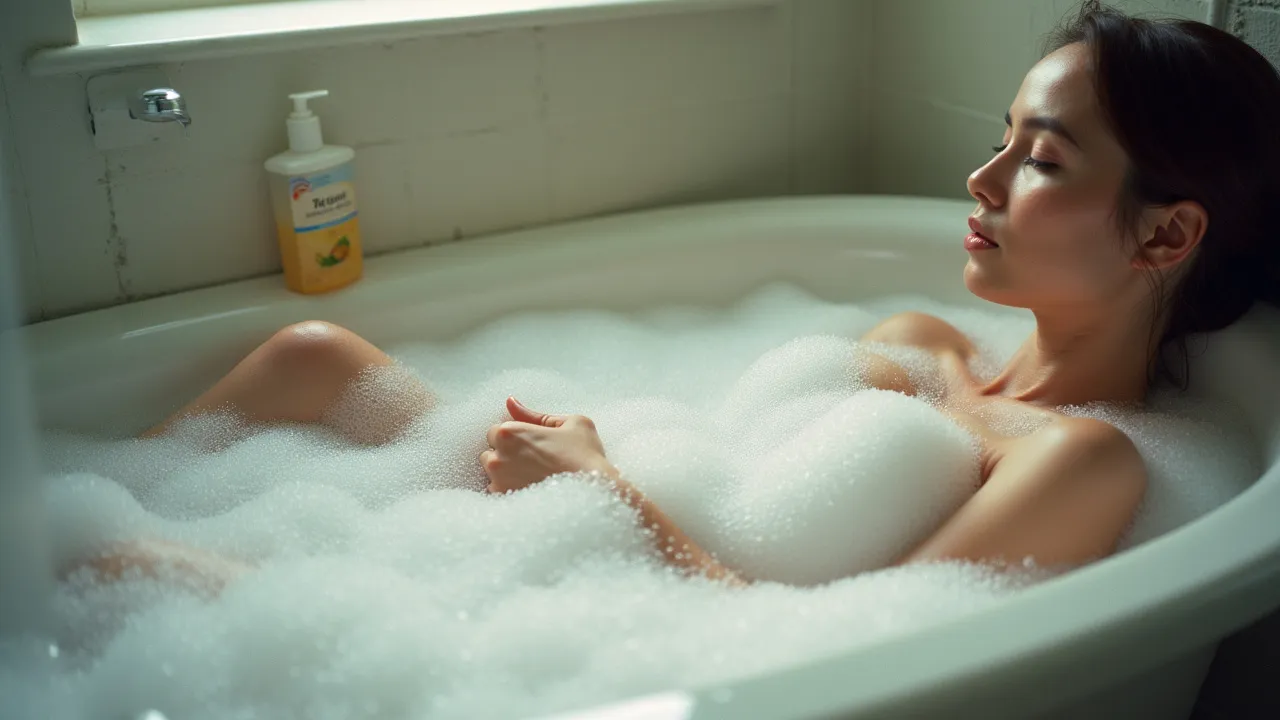
Observed on January 8th, National Bubble Bath Day celebrates the simple luxury of soaking in a warm, fragrant bubble bath. Discover the history, health benefits, and creative ways to enjoy this self-care tradition.
The Historical Origins & Evolutionary Journey
National Bubble Bath Day, observed annually on January 8th, is a relatively modern celebration that has quickly become a beloved ritual for self-care enthusiasts worldwide. Its origins trace back to the early 2000s when the National Day Calendar, a recognized authority on unofficial holidays, officially designated the date to encourage relaxation and indulgence. However, the concept of bathing with aromatic, bubble-producing solutions dates back centuries.
The Foundational Catalyst
The first known bubble bath products emerged in the 1930s, when chemists developed synthetic surfactants that could create stable, long-lasting foam. These early formulations were often harsh on skin, but they laid the groundwork for the gentle, moisturizing products we use today. The post-World War II economic boom saw a surge in consumerism, and by the 1950s, bubble bath became a staple in American households, marketed as a fun and luxurious addition to the nightly routine.
The Legislative/Official Adoption
Unlike many federally recognized holidays, National Bubble Bath Day was not established by government legislation. Instead, it gained traction through grassroots efforts led by the National Day Calendar, which first listed it in 2003. The day was quickly adopted by bath and body product manufacturers, spas, and social media influencers, who used it as a platform to promote relaxation and self-care. By the 2010s, it had become a trending topic on platforms like Instagram and Pinterest, with millions of posts featuring bubble-filled tubs.
Modern Global Legacy
Today, National Bubble Bath Day is celebrated in various forms across the globe. In the United States, it is often an excuse for a solo pampering session or a family activity where children enjoy colorful, scented bubbles. In Japan, the day aligns with the cultural practice of onsen (hot spring bathing), and many locals add bath salts or bubble powders to their tubs. European countries, particularly France and Italy, emphasize the aromatic and therapeutic aspects, using essential oils and high-end bath products. The day has also spurred an industry of luxury bath bombs, bubble bars, and bath accessories, with global sales exceeding $1 billion annually.
How to Celebrate National Bubble Bath Day
Whether you prefer a simple soak or an elaborate spa-like experience, National Bubble Bath Day offers endless opportunities for relaxation. Below are actionable strategies for individuals, families, and organizations to celebrate this day meaningfully.
For Individuals: Personal Pampering
- Set the Mood: Dim the lights, light candles, and play calming music. Add a few drops of lavender or chamomile essential oil to the water for an aromatherapy boost.
- Choose Your Bubbles: Select a bubble bath product that suits your skin type. Look for sulfate-free options with natural ingredients like aloe vera or shea butter to avoid dryness.
- Unplug and Unwind: Leave your phone outside the bathroom. Instead, bring a book, a glass of water, or a meditation recording to fully disconnect.
- Extend the Ritual: After your bath, apply a rich body lotion or oil to lock in moisture, and wear cozy pajamas for a restful evening.
For Families: Fun for All Ages
- Bubble Bath Art: Use foam paints or bath crayons to let children draw on the tub walls. Non-toxic and washable options are widely available.
- Bath Bomb Science: Create a mini science lesson by dropping a bath bomb into the water and observing the fizzing reaction. Discuss the chemical reaction between citric acid and baking soda.
- Family Spa Night: Set up a rotating spa station where family members take turns getting a gentle massage or facial mask while soaking.
For Organizations: Corporate Wellness
- Employee Appreciation: Gift employees with bubble bath kits or spa vouchers. Some companies host virtual relaxation sessions or offer early leave for self-care.
- Retail Promotions: Bath product stores can offer buy-one-get-one deals on bubble bath items, or host in-store demonstrations of new products.
- Charity Drives: Partner with local shelters to donate bubble bath and hygiene products, spreading the joy of self-care to underserved communities.
Regional Traditions Around the World
United States: Social media challenges like #BubbleBathDay encourage people to post photos of their setups. Many influencers collaborate with brands for giveaways.
Japan: The day is often celebrated with nyuat (bath tablets) that dissolve into colorful, fragrant waters. Families may visit public bathhouses that offer special bubble-themed events.
United Kingdom: The British tradition of a "cuppa in the tub" combines a bubble bath with a cup of tea. Many prefer classic brands like Radox or Faith in Nature.
Brazil: Known for their love of perfumed baths, Brazilians often use sabonete (scented soap bars) directly under running water to create rich lather.
Health & Wellness Benefits of Bubble Baths
Beyond relaxation, bubble baths offer tangible health benefits that contribute to overall well-being. While the primary purpose is pleasure, the practice can positively impact both mind and body.
Physical Benefits
- Muscle Relaxation: Warm water (around 37-40°C or 98-104°F) helps soothe sore muscles and joints. The buoyancy of water reduces pressure on bones and improves circulation.
- Skin Hydration: Many modern bubble bath formulations contain moisturizers like glycerin, coconut oil, or oatmeal, which can soften and hydrate the skin. Avoid harsh detergents that strip natural oils.
- Stress Reduction: The act of soaking lowers cortisol levels and triggers the release of endorphins, the body's natural feel-good hormones. Adding Epsom salts can further reduce inflammation and stress.
Mental & Emotional Benefits
- Mindfulness Practice: A bubble bath encourages solitude and introspection, making it an ideal setting for meditation or journaling. Focusing on the sensations of warmth, scent, and sound fosters mindfulness.
- Improved Sleep: The drop in body temperature after a warm bath signals the body to prepare for sleep, helping combat insomnia. A bath 1-2 hours before bedtime can improve sleep quality.
- Social Connection: For couples or families, sharing a bath (safely) can strengthen bonds and promote intimacy. Some studies suggest that physical closeness in warm water increases oxytocin levels.
Precautions & Safety Tips
Skin Sensitivity: Always test a small amount of product on your skin before a full bath. People with eczema or allergies should choose fragrance-free, hypoallergenic options.
Hydration: Drink water before and after your bath to prevent dehydration. Avoid alcohol, which can dilate blood vessels and cause dizziness.
Bath Temperature: Water hotter than 43°C (110°F) can burn skin or cause overheating. Maintain a comfortable, warm temperature.
The Bubble Bath Industry: Products, Trends & Innovation
The global bath and shower products market, valued at over $40 billion in 2023, includes a significant segment dedicated to bubble baths. This industry thrives on innovation, sustainability, and consumer demand for self-care experiences.
Evolution of Bubble Bath Products
From early powder-based mixes to today's luxury liquids and solid bombs, the evolution is marked by key milestones:
- 1930s-1950s: First commercial liquid bubble baths, often with strong perfumes and detergents.
- 1960s-1980s: Introduction of moisturizing additives and hypoallergenic formulas, targeting sensitive skin.
- 1990s-2000s: Rise of bath bombs (fizzing tablets) by brands like Lush, combining essential oils and colorants.
- 2010s-present: Focus on natural ingredients, eco-friendly packaging, and customizable experiences (e.g., DIY kits, personalized scents).
Key Trends Shaping the Industry
- Sustainability: Biodegradable containers, refill pouches, and plastic-free bath bombs. Brands like Ethique have pioneered solid, packaging-free bubble bars.
- Clean Beauty: Consumers demand transparency in ingredients. Sulfate-free, paraben-free, and cruelty-free certifications are now standard.
- Smart Bathing: High-tech gadgets like chromotherapy lights, Bluetooth speakers, and waterproof tablets for streaming or reading.
- Cultural Fusion: Incorporating traditional bathing practices from around the world, such as Japanese yu (bath salts) or Turkish hammam (scrub and foam).
Notable Brands and Products
Lush: Known for colorful bath bombs and bubble bars, Lush pioneered the “bath art” trend. Their “Intergalactic” bomb is a bestseller.
Dr. Bronner’s: Uses organic, fair-trade oils in its liquid castile soaps that can double as bubble bath.
Neal’s Yard Remedies: Offers organic, essential-oil-based bath foams targeting specific wellness needs (e.g., sleep, rejuvenation).
Cultural Significance & Social Media Influence
National Bubble Bath Day has transcended its origins as a simple observance to become a cultural phenomenon, especially on social media. The day’s popularity reflects broader societal shifts toward prioritizing mental health and self-care.
The Rise of #SelfCare
In the 2020s, self-care evolved from a niche concept into a mainstream movement. Bubble baths symbolize an accessible, affordable form of self-care that anyone can enjoy. Instagram and TikTok posts tagged #BubbleBathDay have collectively garnered millions of views, with influencers sharing aesthetically pleasing setups and minimalist bathroom decor.
Media Representation & Pop Culture
Bubble baths appear frequently in film and television as shorthand for relaxation or escape. From the iconic scene in Friends where Monica takes a bubble bath to calm down, to countless advertisements for luxury products, the imagery is instantly recognizable. In literature, bubble baths often represent a moment of solitary reflection.
Community Building & Shared Experiences
Online forums and Facebook groups dedicated to “bath enthusiasts” provide spaces for sharing recipes, product reviews, and bath-time playlists. Some local communities organize “group bath” events (in wellness centers or private homes) where participants soak together in large tubs, emphasizing connection over isolation.
Criticism & Counter-Movements
Despite its popularity, some critics argue that the commercialization of bubble baths promotes consumerism over genuine self-care. Minimalist advocates encourage free alternatives like a warm water soak without products. Others point out the environmental impact of single-use plastics and microplastics from bath bombs. In response, many brands now offer eco-friendly options and promote mindful consumption.
Environmental & Ethical Considerations
As the bubble bath industry grows, so do concerns about its environmental footprint. From packaging waste to water usage, consumers and companies alike are seeking sustainable solutions.
Water Usage & Conservation
A typical bathtub holds about 80 gallons (300 liters) of water, significantly more than a shower (10-20 gallons for a 10-minute shower). To offset this, consider:
- Half-full tubs: Draw only enough water to cover your hips, saving up to 40% of water.
- Reuse bath water: For outdoor plants (if free of harsh chemicals) or to flush toilets.
- Eco-friendly products: Choose biodegradable formulas that don’t harm aquatic life.
Packaging Waste Reduction
Many bubble bath products come in plastic bottles. Opt for:
- Solid bubble bars: Zero-waste, concentrated formulas that last longer.
- Refill stations: Some stores allow you to bring your own container.
- Recyclable materials: Look for PET or HDPE plastics, or glass bottles.
Ethical Sourcing & Labor Practices
Brands that carry fair-trade certifications ensure that ingredients like shea butter, coconut oil, and essential oils are ethically sourced. Cruelty-free labels like Leaping Bunny guarantee no animal testing. Supporting local artisans and small-batch producers can also reduce global supply chain impacts.
Historical Timeline
First commercial bubble bath product, 'Foam Bath', introduced by a French chemist. Early formulations were heavily perfumed and detergent-based.
Bubble bath becomes a household staple in the U.S. following post-war economic boom and rise of consumer culture. Brands like Mr. Bubble launch.
Introduction of hypoallergenic and moisturizing bubble baths for sensitive skin. Rise of natural and aromatherapy ingredients.
Lush Cosmetics popularizes bath bombs, combining essential oils, colorants, and fizzing agents, creating a multi-sensory experience.
National Day Calendar officially recognizes January 8 as National Bubble Bath Day, sparking widespread celebration and media attention.
Social media amplifies the day with #BubbleBathDay trending annually. DIY bath recipes and 'bath art' become viral content on Instagram and Pinterest.
During the COVID-19 pandemic, bubble bath sales surge as people prioritize at-home relaxation. The day gains unprecedented global recognition.