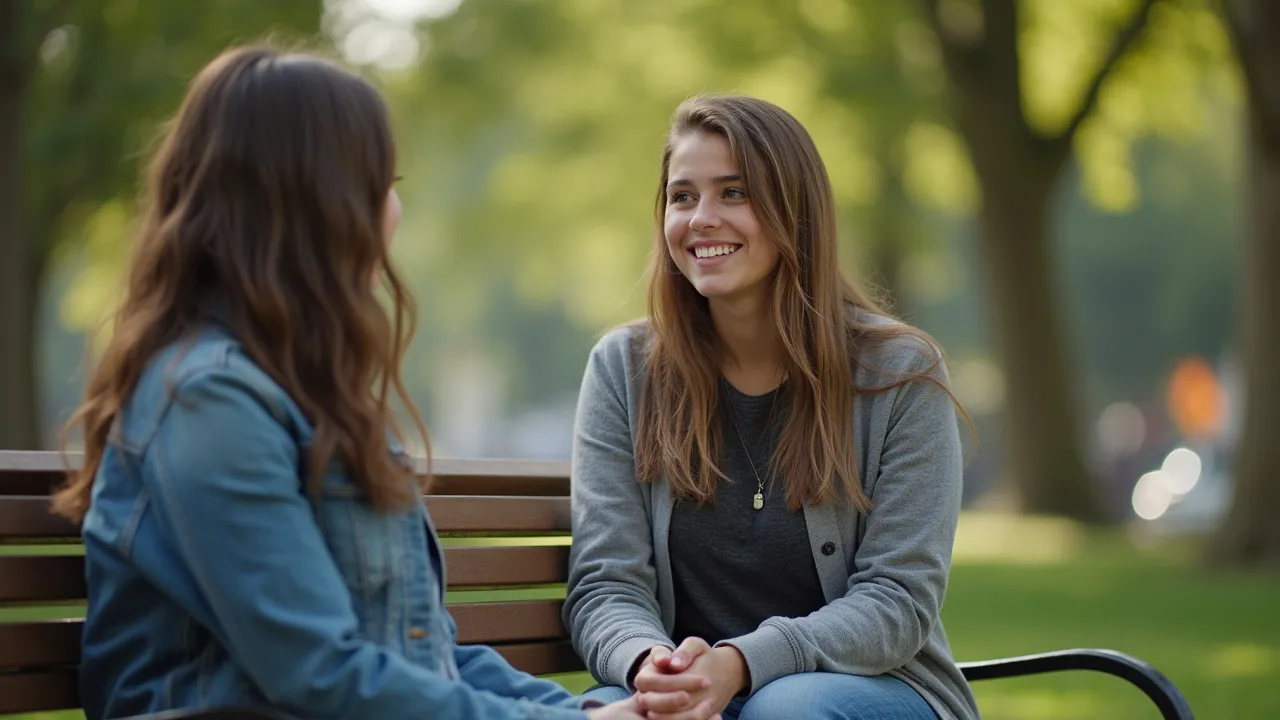
World Teen Mental Wellness Day on March 2nd raises awareness about adolescent mental health. It encourages open conversations, reduces stigma, and promotes support systems for teens worldwide.
The Historical Origins & Evolutionary Journey
The Foundational Catalyst
World Teen Mental Wellness Day was conceived in 2020 by Hollister Co., a global apparel brand, in partnership with mental health experts. The catalyst was the alarming rise in teen depression, anxiety, and suicide rates, exacerbated by the COVID-19 pandemic. Hollister leveraged its teen-centric platform to destigmatize mental health conversations and provide resources. The day was officially announced in January 2021, targeting March 2nd as the observance date.
Legislative & Official Adoption
While not a government-mandated holiday, World Teen Mental Wellness Day quickly gained recognition from non-profits like Mental Health America and The JED Foundation. Schools and youth organizations adopted the day, integrating it into health curricula. In 2022, the U.S. Senate passed a symbolic resolution acknowledging the day, urging communities to prioritize teen mental wellness. Similar recognitions emerged in Canada, Australia, and the UK.
Modern Global Legacy
Today, the day serves as a springboard for year-round advocacy. Social media campaigns like #TeenMentalWellness garner millions of impressions annually. The day has evolved to address intersectional issues—LGBTQ+ teen mental health, racial trauma, and cyberbullying. It now partners with telehealth platforms to offer free counseling sessions on March 2nd, making support accessible globally.
How to Celebrate World Teen Mental Wellness Day
Individual Actions
- Start a conversation: Ask a teen how they are truly feeling. Active listening without judgment is key.
- Share resources: Post helplines (e.g., Crisis Text Line: text HOME to 741741) on social media.
- Practice self-care: Teens can journal, meditate, or take a digital detox.
School & Community Events
- Organize a mental health fair with booths from local therapists.
- Host a campus-wide "Wellness Hour" with yoga and art therapy.
- Invite speakers to share personal stories about overcoming mental health challenges.
Corporate & Organizational Involvement
- Companies can offer mental health days for employees with teens.
- Retailers can donate a percentage of sales to teen mental health nonprofits.
- Social media platforms can promote verified mental health resources.
Global Traditions
In the United States, schools often hold assemblies. In India, organizations conduct rural outreach programs. In Japan, the day aligns with peer support groups in schools. Each region adapts the theme to local cultural attitudes towards mental health.
The Global Impact on Teen Mental Health
Prevalence of Teen Mental Health Issues
According to WHO, one in seven 10-19-year-olds experiences a mental disorder globally. Depression, anxiety, and behavioral disorders are leading causes of illness and disability among adolescents. World Teen Mental Wellness Day amplifies these statistics, urging immediate action.
Regional Variances
- North America: High awareness but limited access to care in rural areas.
- Europe: Strong school-based programs; stigma still prevalent in Eastern Europe.
- Asia-Pacific: Academic pressure is a major stressor; the day focuses on reducing exam-related anxiety.
- Africa: Mental health resources are scarce; the day promotes community-based support and hotlines.
Socioeconomic Factors
Teens in low-income families face higher risks due to food insecurity, trauma, and lack of insurance. The observance highlights these disparities and advocates for equitable funding for school counselors and youth mental health services.
The Role of Schools and Educational Institutions
Curriculum Integration
Schools incorporate mental wellness into health classes, teaching coping skills and emotional intelligence. On World Teen Mental Wellness Day, many schools suspend regular classes for workshops on stress management and mindfulness.
Counseling Services
The day emphasizes the need for accessible school counselors. In 2023, the American School Counselor Association recommended a ratio of 250:1 students per counselor, but the national average is 415:1. The observance pushes for policy changes to meet these standards.
Peer Support Programs
Initiatives like "Teen Mental Health First Aid" train students to recognize signs of distress in peers. Schools launch peer listening clubs or buddy systems on March 2nd, fostering a supportive culture year-round.
The Role of Family and Community Support
Parental Involvement
Parents are encouraged to educate themselves about teen mental health warning signs—withdrawal, mood swings, changes in sleep or appetite. The day provides resources like family therapy options and communication guides.
Community Networks
Local organizations host workshops for parents and teens together. Faith-based groups integrate mental health awareness into youth programs. Community centers offer free meditation or art classes on March 2nd.
Reducing Stigma
Open dialogue at home normalizes seeking help. The observance challenges cultural taboos, especially in communities where mental health is seldom discussed. Stories shared by families on social media create a ripple effect of acceptance.
Future Directions and Advocacy
Policy Changes
Advocates call for mandatory mental health education in schools, increased funding for youth services, and insurance parity for mental health. World Teen Mental Wellness Day is a platform to lobby legislators.
Technology & Innovation
Apps like Calm and Headspace offer free subscriptions on March 2nd. Teletherapy platforms expand access. The day promotes digital literacy to combat cyberbullying and online pressure.
Long-Term Sustainability
The goal is to move beyond a single day. Campaigns encourage implementing school wellness policies for the whole year. Partnerships with influencers sustain momentum, ensuring teen mental wellness remains a priority until systemic changes are achieved.
Historical Timeline
Hollister Co. announces the creation of World Teen Mental Wellness Day, partnering with mental health experts to design the initiative.
First official observance on March 2nd; social media campaigns launch with the hashtag #TeenMentalWellness.
U.S. Senate passes symbolic resolution supporting the day; schools and nonprofits host events in 20 countries.
Teletherapy platforms offer free sessions; the day expands to include LGBTQ+ and racial justice mental health themes.
Global reach includes 50+ countries; research papers published on the day's impact on reducing stigma among teens.