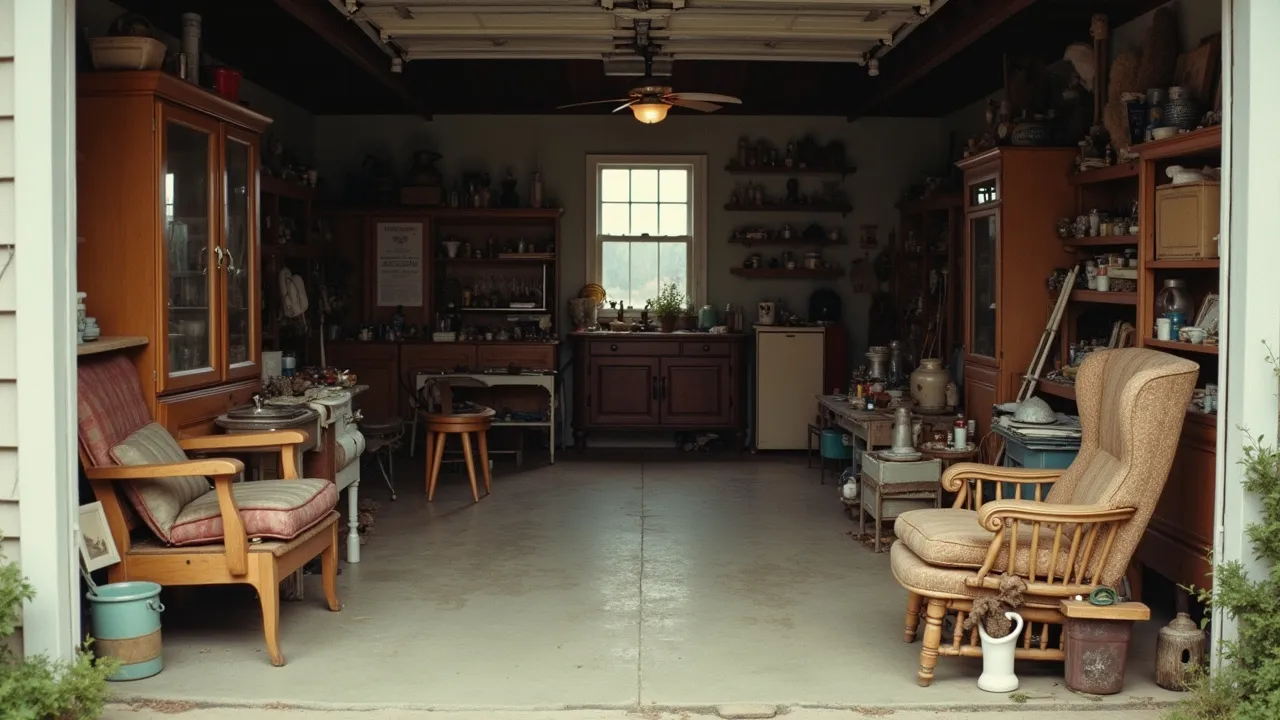
Celebrated on March 2nd, National Old Stuff Day encourages people to appreciate, repurpose, or declutter old belongings. It’s a day to reflect on the value of history and sustainability.
The Historical Origins & Evolutionary Journey
National Old Stuff Day, observed annually on March 2nd, has a somewhat obscure origin, but its roots lie in the growing awareness of consumerism, waste, and the sentimental value of possessions. The day likely emerged in the early 2000s as a grassroots movement to encourage people to rethink their relationship with old items—whether by donating, selling, or simply appreciating them.
The Foundational Catalyst
The rise of fast fashion and disposable goods in the late 20th century led to a culture of excess. In response, environmental groups and minimalist advocates began promoting days like National Old Stuff Day to highlight the importance of reuse and recycling. The exact founder remains unknown, but the day gained traction through online communities and early social media platforms around 2005.
The Legislative/Official Adoption
Unlike many national days, National Old Stuff Day has no official government proclamation. However, it has been embraced by numerous nonprofits, antique shops, and waste management organizations as a way to promote sustainability. Some local governments in the U.S. and U.K. have incorporated it into community clean-up events and recycling drives.
Modern Global Legacy
Today, National Old Stuff Day is celebrated worldwide via #NationalOldStuffDay on social media. It has evolved beyond simply clearing clutter to include activities like upcycling, vintage shopping, and digital decluttering. The day has also been linked to broader movements like the circular economy and minimalism, making it more relevant than ever.
How to Celebrate National Old Stuff Day
National Old Stuff Day offers a variety of ways to participate, from personal decluttering to community events. Below are actionable strategies for individuals, schools, and organizations.
For Individuals
Declutter with purpose: Sort through your belongings and categorize items into keep, donate, sell, or recycle. Use the one-box method to quickly decide.
- Host a yard sale or list items on resale platforms like eBay or Facebook Marketplace.
- Repurpose old furniture: turn a dresser into a bookshelf or jars into planters.
- Create a memory box for sentimental items you want to preserve.
For Schools and Community Groups
Organize a swap event: Encourage students or neighbors to bring gently used items to exchange. This teaches sustainability and community sharing.
- Set up tables for books, toys, clothes, and electronics.
- Provide labels for condition and suggested age range.
- Donate leftovers to local charities.
Corporate and Social Rituals
Businesses can host office clean-out days, donate old electronics, or sponsor a local antique fair. On social media, share photos of your oldest possession with the story behind it.
International variations: In Japan, the day aligns with Mottainai (waste not) philosophy. In Germany, it’s tied to Flohmarkt (flea market) culture. Many countries now celebrate with digital decluttering—cleaning up old files and photos.
Environmental Impact: Reducing Waste Through Reuse
National Old Stuff Day directly supports environmental sustainability by encouraging reuse over disposal. The EPA estimates that 12% of municipal solid waste is furniture and durable goods, much of which ends up in landfills. By repurposing or donating old items, individuals can significantly reduce their carbon footprint.
The Circular Economy Connection
Reusing old stuff keeps resources in circulation longer, cutting the demand for new production. For example, refurbishing a smartphone saves about 77 pounds of CO2 emissions compared to buying new. On this day, many thrift stores offer discounts to boost second-hand shopping.
Decluttering and the Climate
Landfill diversion: Each year, Americans throw away 12 million tons of textiles. National Old Stuff Day reminds us to sell or donate clothes, reducing textile waste. Learn more at the EPA website.
Even small actions matter—repairing a broken lamp instead of buying a new one keeps plastic and metal out of the waste stream.
Sentimental and Emotional Value of Old Items
Old stuff often carries deep emotional weight. Psychologists note that sentimental attachment to objects can provide a sense of continuity and identity. National Old Stuff Day encourages us to honor these connections while still letting go when needed.
The Psychology of Hoarding vs. Sentiment
While some people struggle with hoarding disorder (affecting 2-5% of the population), most simply accumulate items with memories. The key is mindful curation: keep what sparks joy, as Marie Kondo famously advises, but also consider photographing items before parting to preserve the memory.
Intergenerational Bonds
Passing down heirlooms or vintage items to younger generations strengthens family ties. On this day, grandparents might share stories behind an old watch or quilt, fostering appreciation for history.
Digital memories: Old photos, letters, and home videos can be digitized and shared with relatives, creating a lasting digital legacy.
Economic Significance: The Antique and Vintage Market
National Old Stuff Day also shines a light on the vibrant economy of antique and vintage goods. The global second-hand market is projected to reach $350 billion by 2028, driven by sustainability and nostalgia.
Types of Valuables
- Antiques: Items over 100 years old, often high value (furniture, jewelry, art).
- Vintage: Items from a specific era (e.g., 1950s dinerware).
- Collectibles: Mass-produced but sought-after (comic books, vinyl records).
How to Assess Value
Check online marketplaces like eBay or specialized appraisal services. Condition, rarity, and provenance determine price. For example, a first-edition Harry Potter book can fetch up to $50,000.
National Old Stuff Day is an excellent time to get a free appraisal at local antique stores or via online forums.
Digital Legacy and Decluttering in the Modern Age
As our lives become increasingly digital, National Old Stuff Day has expanded to include digital decluttering. Old emails, duplicate photos, and forgotten cloud storage consume space and energy. A clean digital environment boosts productivity and reduces digital waste.
Steps to Digital Decluttering
- Back up important files to an external hard drive.
- Delete duplicate photos using software like Duplicate Cleaner.
- Unsubscribe from newsletters and delete unused apps.
- Organize files into clear folder structures.
Preserving Digital Heirlooms
Old digital photos and documents can be stored on durable media like archival DVDs or cloud services. Consider creating a family digital archive to pass down to future generations.
Remember: digital clutter also has a carbon footprint—data centers use vast amounts of electricity. By cleaning up, you’re helping the planet.
Historical Timeline
First unofficial observance of National Old Stuff Day through online forums and minimalist blogs.
Social media platforms like Twitter and Facebook see the first widespread use of #NationalOldStuffDay.
Marie Kondo's book 'The Life-Changing Magic of Tidying Up' boosts global interest in decluttering, aligning with the day's themes.
The day gains recognition from major thrift store chains like Goodwill and Salvation Army, who launch special promotions.
Digital decluttering becomes a major trend as remote work leads to cluttered computer files. National Old Stuff Day expands to include digital cleanup.
The observance is celebrated in over 50 countries, with events ranging from virtual swap meets to community clean-up drives.