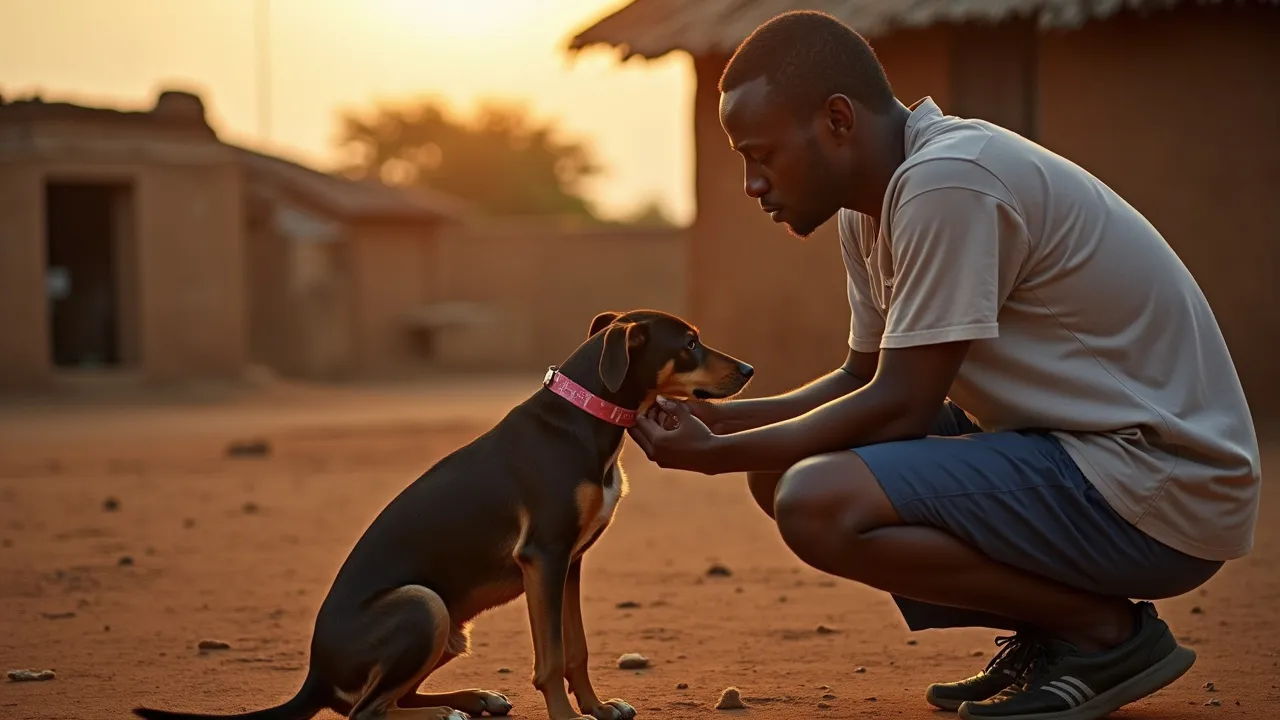
World Rabies Day, observed on September 28th, is a global health observance coordinated by the Global Alliance for Rabies Control to raise awareness and accelerate efforts to eliminate rabies, a deadly zoonotic disease that kills tens of thousands annually.
The Historical Origins & Evolutionary Journey
The Foundational Catalyst
World Rabies Day was established by the Global Alliance for Rabies Control (GARC) and the Centers for Disease Control and Prevention (CDC) in 2007. The date, September 28th, commemorates the death of Louis Pasteur, the French chemist and microbiologist who developed the first rabies vaccine. Pasteur's pioneering work in the 1880s laid the foundation for modern rabies prevention, transforming a universally fatal disease into a preventable one. The inaugural World Rabies Day in 2007 saw over 100 countries participating, with events ranging from mass dog vaccination drives to educational campaigns in schools.
The Legislative/Official Adoption
In 2015, the World Health Organization (WHO), the World Organisation for Animal Health (OIE), and the Food and Agriculture Organization of the United Nations (FAO) jointly launched the 'Zero by 30' global strategic plan, aiming to eliminate human deaths from dog-mediated rabies by 2030. World Rabies Day became a critical advocacy platform for this initiative, gaining official recognition from the United Nations and national governments worldwide. The day has since evolved from a grassroots awareness event into a coordinated global movement, with annual themes such as 'Rabies: Vaccinate to Eliminate' and 'One Health, Zero Deaths'.
Modern Global Legacy
Today, World Rabies Day serves as a unifying force for governments, NGOs, veterinarians, and communities. It has spurred significant progress: rabies deaths have declined by over 30% in endemic regions since 2010, and several countries—including Mexico, Sri Lanka, and the Philippines—have achieved rabies-free status through sustained vaccination and surveillance. The observance continues to adapt, leveraging social media hashtags like #WorldRabiesDay and virtual events to reach remote populations, ensuring that the legacy of Louis Pasteur endures in the fight against a disease that remains 99% fatal but 100% preventable.
How to Celebrate World Rabies Day
World Rabies Day offers actionable ways for individuals, communities, and organizations to contribute to the goal of eliminating rabies. Below are key celebration strategies, tailored to different regions and capacities.
For Individuals and Families
- Vaccinate your pets: Ensure dogs and cats are up-to-date on rabies vaccines. Many clinics offer discounted shots on September 28th.
- Educate children: Teach kids to avoid stray animals and report bites immediately. Use resources from GARC's 'Rabies Educator' program.
- Share social media posts: Use hashtags like #WorldRabiesDay and #ZeroBy30 to spread awareness. Share facts about rabies prevention.
For Schools and Universities
- Organize awareness assemblies: Invite local veterinarians or public health officials to speak about rabies risks and control.
- Host a poster contest: Encourage students to create artwork promoting rabies vaccination. Winners can be featured on community billboards.
- Conduct rabies quizzes: Use interactive quizzes to test knowledge about transmission, symptoms, and prevention.
For Organizations and Governments
- Mass dog vaccination campaigns: Mobile clinics in rural areas can vaccinate hundreds of strays. Track data with apps like 'Rabies Vaccination Tracker'.
- Train healthcare workers: Conduct workshops on post-exposure prophylaxis (PEP) administration and wound management.
- Collaborate across sectors: Form One Health committees linking human, animal, and environmental health agencies to coordinate rabies surveillance.
Regional variations: In India, where rabies deaths are highest, events often include street plays and rumour-busting sessions. In Latin America, many communities hold 'Rabies Fairs' with free vaccination and educational games. In Africa, radio broadcasts in local languages are a common medium to reach remote villages.
Global Impact of Rabies: A Preventable Tragedy
Rabies remains a significant public health burden, particularly in low- and middle-income countries. According to the WHO, rabies causes approximately 59,000 human deaths annually, with 95% occurring in Africa and Asia. Children aged 5–14 are the most frequent victims, often due to bites from infected dogs. The economic impact is severe: rabies-related deaths cost an estimated $8.6 billion per year in lost productivity, medical costs, and livestock losses. However, the disease is entirely preventable through vaccination of dogs and prompt post-exposure prophylaxis (PEP) for bite victims. World Rabies Day amplifies the message that investing in dog vaccination is the most cost-effective strategy, as it breaks the transmission cycle at its source. Progress is visible: countries like Peru and Bhutan have reported zero human rabies deaths in recent years, proving that elimination is achievable with political will and community engagement.
Prevention and Vaccination: The Cornerstones of Control
Vaccinating Dogs: The Primary Intervention
Since dogs are the source of over 99% of human rabies cases, mass vaccination of at least 70% of the dog population in endemic areas can interrupt viral transmission. Oral rabies vaccines (ORV) for stray dogs are increasingly used, as they can be distributed in baits without needing to handle animals. Annual vaccination campaigns, combined with sterilization programs, help maintain herd immunity.
Post-Exposure Prophylaxis (PEP)
For individuals bitten by a potentially rabid animal, immediate wound washing with soap and water followed by a course of rabies vaccine and, if indicated, rabies immunoglobulin (RIG) can prevent the disease. Unfortunately, access to PEP is limited in many endemic regions due to high costs and supply shortages. Organizations like GARC work to lower prices and improve distribution networks.
Stray Dog Management
Humane population control—through sterilization, vaccination, and public education—reduces rabies risk without resorting to culling, which is ineffective and unethical. Community-based programs that involve local residents in dog feeding and monitoring have proven successful in cities like Jaipur, India.
The One Health Approach: Uniting Human, Animal, and Environmental Health
Rabies is a classic example of a zoonotic disease that demands a One Health approach—collaboration across human medicine, veterinary medicine, and environmental management. World Rabies Day promotes this interdisciplinary strategy. For instance, when a rabies outbreak occurs, health authorities must coordinate surveillance in animal populations, ensure rapid diagnosis in humans, and manage stray dog populations. The 'Zero by 30' plan explicitly calls for joint action by WHO, OIE, and FAO. Success stories include the elimination of dog-mediated rabies in Western Europe and much of Latin America, achieved through strict vaccination laws, cross-border cooperation, and public awareness. In Africa, the 'One Health' framework has been adopted in countries like Tanzania, where community-based rabies control programs have reduced human cases by over 90% in some districts.
Role of Education and Awareness in Rabies Elimination
Education is a powerful tool to reduce rabies incidence. Many people in endemic areas lack basic knowledge: some believe that a dog with rabies will always be aggressive, or that traditional healers can cure the disease. World Rabies Day campaigns address these myths through culturally tailored messages. For example, in Bali, Indonesia, posters depict the 'three symptoms' of rabies (aggression, excessive salivation, paralysis) in simple illustrations. School curricula often include rabies modules, teaching children to avoid stray animals and report bites. Radio jingles and mobile phone text reminders have been used in Bangladesh to improve PEP adherence. The GARC's 'Stop the Bite' app educates users on proper wound care and connects them to nearby health facilities. Ultimately, an informed public is the first line of defense against rabies.
Future Goals: Zero by 30 and Beyond
The global goal of eliminating human deaths from dog-mediated rabies by 2030 is ambitious but achievable. Key milestones include scaling up mass dog vaccination to reach 70% coverage in all endemic districts, ensuring universal access to affordable PEP, and strengthening surveillance systems to detect and respond to outbreaks quickly. World Rabies Day serves as an annual check-in on progress, highlighting gaps and mobilizing resources. Innovations such as thermostable vaccines, drone delivery of vaccines to remote areas, and data-driven dashboards for real-time tracking are accelerating progress. However, funding remains a challenge: the estimated annual cost of global rabies elimination is $1.5 billion, a fraction of the $8.6 billion lost to the disease each year. Continued advocacy through World Rabies Day can help secure the necessary investments from governments, philanthropies, and international organizations.
Historical Timeline
Louis Pasteur successfully administers the first rabies vaccine to a human, a boy named Joseph Meister, who had been bitten by a rabid dog. This marks the beginning of rabies prevention.
The World Health Organization (WHO) establishes the first international standards for rabies vaccine production and distribution.
The first oral rabies vaccine for wildlife is developed, enabling mass vaccination of foxes and raccoons in Europe and North America.
The Global Alliance for Rabies Control (GARC) and CDC launch the first World Rabies Day on September 28th, with participation from over 100 countries.
WHO, OIE, and FAO jointly announce the 'Zero by 30' global strategic plan, aiming to eliminate human deaths from dog-mediated rabies by 2030.
The United Nations formally recognizes World Rabies Day, urging member states to intensify rabies control efforts.
Sri Lanka declares itself free of human rabies, a milestone achieved through decades of dog vaccination and public education.
The World Rabies Day campaign reaches record digital engagement, with over 500 million social media impressions and vaccination drives in 150 countries.