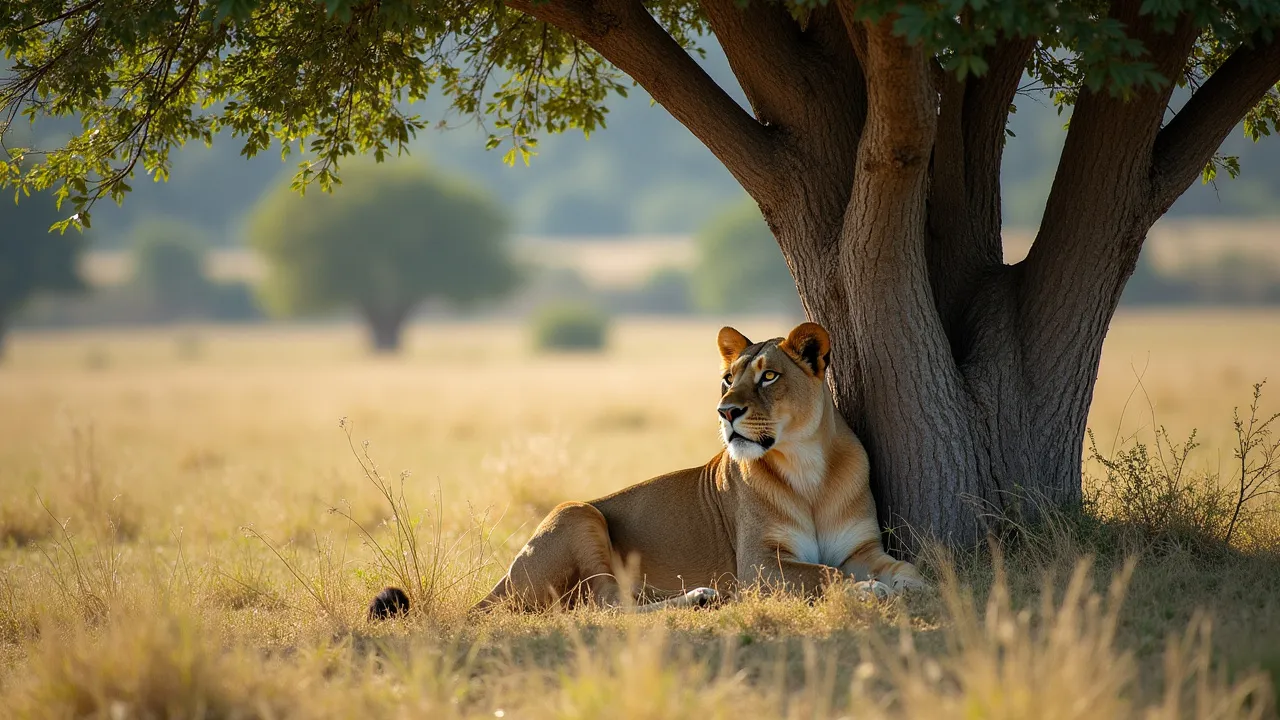
World Lion Day, observed on August 10th, raises critical awareness about the endangered lion populations worldwide. It encourages global participation in conservation efforts to protect these majestic big cats and their habitats.
The Historical Origins & Evolutionary Journey
World Lion Day, observed annually on August 10th, was established in 2013 by Big Cat Rescue, a leading big cat sanctuary, in collaboration with other conservation organizations. The day aims to raise awareness about the plight of lions, which have seen a dramatic population decline over the past century.
The Foundational Catalyst
The idea for a dedicated day emerged from the growing concern over lion numbers. In the early 2000s, lion populations were estimated at around 100,000, but by 2013, they had plummeted to fewer than 35,000 in the wild. Big Cat Rescue founder Carole Baskin and other activists pushed for an international day to spotlight threats such as habitat loss, human-wildlife conflict, poaching, and prey depletion.
The Legislative/Official Adoption
Although World Lion Day is not a public holiday, it has been endorsed by numerous wildlife organizations and governments. In 2014, the United Nations Environment Programme (UNEP) recognized the day, encouraging member states to participate. Several African nations, including Kenya and Tanzania, have used the day to launch national conservation campaigns.
Modern Global Legacy
Today, World Lion Day is marked by hundreds of events worldwide, including educational workshops, fundraising drives, and social media campaigns. Zoos and aquariums often host special programs, and conservation groups release annual reports on lion status. The day has become a rallying point for efforts to double wild lion populations by 2050.
How to Celebrate World Lion Day
World Lion Day offers numerous ways for individuals, schools, and organizations to get involved. Below is the ultimate guide to celebrating this important day.
For Individuals
- Educate Yourself: Read about lion conservation from reputable sources like Panthera and WWF.
- Donate: Support organizations such as the Lion Recovery Fund or Big Cat Rescue.
- Spread Awareness: Share posts on social media using #WorldLionDay.
- Adopt a Lion: Many sanctuaries offer symbolic adoptions.
For Schools
- Organize a themed art contest or essay competition.
- Invite a wildlife expert for a virtual talk.
- Create educational displays about lion habitats and threats.
For Organizations
- Host a fundraising event or a silent auction.
- Partner with local zoos for special exhibits.
- Launch a social media campaign to highlight your conservation efforts.
Globally, celebrations vary: In Kenya, communities hold lion dances and parades. In India (for the Asiatic lion), forest departments conduct awareness drives. In Australia, zoos hold keeper talks. United States: many aquariums and wildlife centers offer discounts to promote education.
The Plight of Lions: Conservation Status
Lions (Panthera leo) are classified as Vulnerable on the IUCN Red List, with populations decreasing. Over the past century, their numbers have dropped from an estimated 200,000 to fewer than 25,000 in the wild today (as of 2025).
Major Threats
- Habitat Loss: Expanding agriculture and human settlements reduce lion ranges.
- Human-Wildlife Conflict: Lions attacking livestock lead to retaliatory killings.
- Poaching: For body parts and trophy hunting.
- Prey Depletion: Overhunting of natural prey by humans.
- Climate Change: Alters ecosystems and water availability.
Current Statistics
Sub-Saharan Africa holds most of the wild lions, with small isolated populations in India (Asiatic lions). West African lions are critically endangered. Conservation efforts have stabilized some populations but overall trends remain negative.
Role of Lions in Ecosystems and Culture
Lions are apex predators, playing a crucial role in maintaining ecosystem balance by controlling herbivore populations. Their presence indicates a healthy environment.
Ecological Importance
- Prevent overgrazing by regulating ungulate numbers.
- Provide carrion for scavengers like hyenas and vultures.
- Create a cascade effect that benefits other species.
Cultural Significance
Lions are symbols of strength, courage, and royalty in many cultures. They appear in ancient art, literature, and modern logos. In Africa, they are considered sacred in some traditions, often featured in folklore and rituals.
Global Conservation Efforts and Organizations
Numerous organizations work tirelessly to protect lions and their habitats. Key players include:
- Panthera: Leads the Lion Recovery Fund.
- World Wildlife Fund (WWF): Supports anti-poaching and habitat protection.
- African Wildlife Foundation (AWF): Works with communities on coexistence.
- Big Cat Rescue: Focuses on captive lion welfare and advocacy.
- Lion Guardians: Employs local Maasai warriors to protect lions.
International treaties like CITES regulate trade in lion parts. The UN Sustainable Development Goals also include targets relevant to wildlife conservation.
How You Can Make a Difference
Beyond celebrating the day, individuals can contribute year-round to lion conservation.
Actions
- Support Conservation Organizations: Donate or volunteer.
- Reduce Demand for Lion Products: Avoid purchasing items like lion bone wine or skins.
- Advocate for Stronger Protections: Write to policymakers.
- Eco-Tourism Sensibly: Choose responsible travel operators that benefit local communities.
- Spread Knowledge: Educate peers about the lion crisis.
Long-Term Impact
Every action counts. Collective efforts can help double wild lion numbers by 2050, a goal set by the Lion Recovery Fund.
Historical Timeline
First World Lion Day is established by Big Cat Rescue and other conservation organizations, with events primarily in the United States.
World Lion Day gains global traction, with zoos and wildlife centers participating across Europe and Africa.
Panthera launches the Lion Recovery Fund in partnership with the Wildlife Conservation Network, aiming to raise $10 million annually.
The United Nations recognizes World Lion Day, encouraging member states to promote lion conservation.
Major zoos worldwide host special events, including educational programs and fundraising auctions.
Due to the COVID-19 pandemic, celebrations go virtual, with online webinars and social media campaigns seeing record participation.
New research published in Nature Communications shows that lion populations have declined by over 90% in the last century.
World Lion Day reaches over 100 million social media impressions, with celebrities and influencers joining the cause.