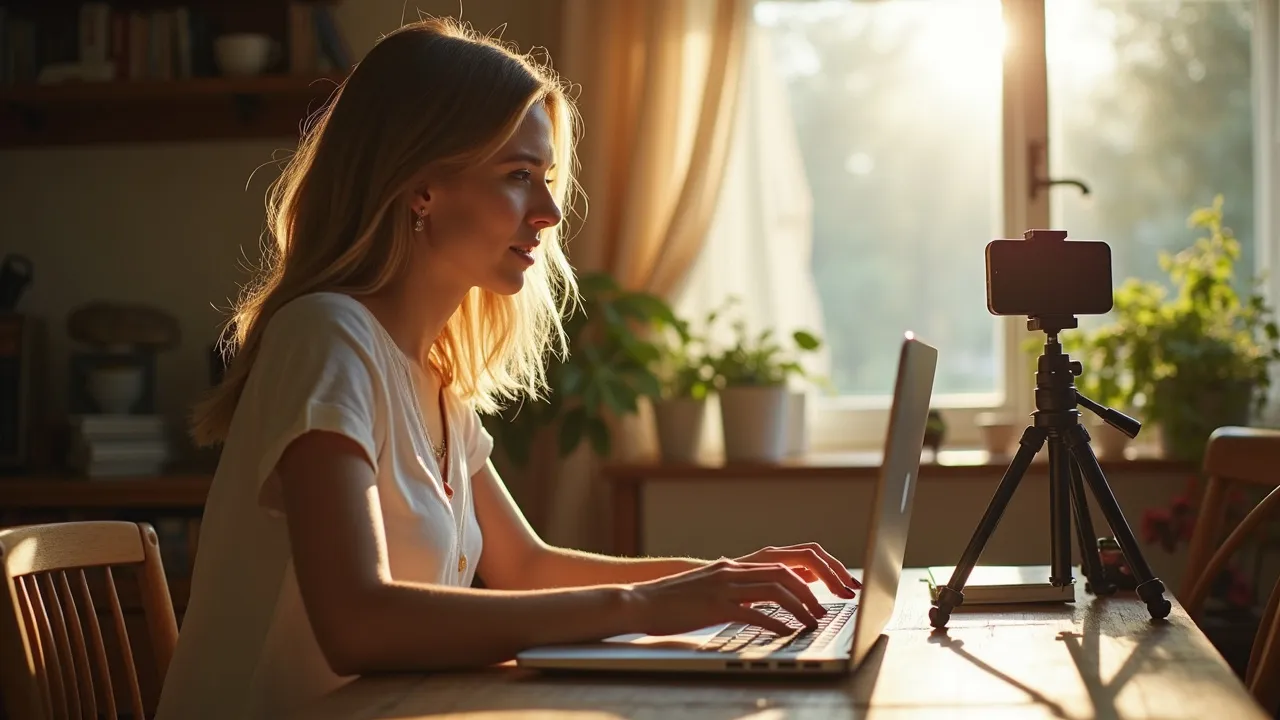
Celebrated annually on August 10th, Vlogging Day honors the art and impact of video blogging. From its humble beginnings to a global phenomenon, this day encourages everyone to share their stories through vlogs.
The Historical Origins & Evolutionary Journey
Vlogging, or video blogging, has transformed from a niche online activity into a cornerstone of modern digital culture. The establishment of an official Vlogging Day on August 10th marks a collective recognition of the medium's profound influence on communication, entertainment, and commerce. This section delves into the foundational catalyst, official adoption, and global legacy of Vlogging Day.
The Foundational Catalyst
The seeds of vlogging were planted in the late 1990s with the emergence of webcams and early video hosting platforms. The first recognized vlog is credited to Adam Kontas, who on January 2, 2000, posted a video titled "It's Me" on his blog, documenting his journey from Ohio to Los Angeles. This primitive 15-second clip, shot on a webcam, laid the groundwork for a new form of personal storytelling. Throughout the early 2000s, pioneers like Steve Garfield and Michael Verdi experimented with video diaries, but the lack of widespread broadband and hosting sites limited growth. The real catalyst came with the launch of YouTube in 2005, which provided a free, accessible platform for video uploads. By 2006, YouTube had become a cultural phenomenon, and vlogging quickly evolved from a hobby into a profession.
The Official Adoption
The concept of a dedicated Vlogging Day emerged organically from the vlogging community. In 2016, a group of prominent vloggers and content creators proposed an annual celebration to highlight the art form. The date August 10th was chosen to coincide with the anniversary of YouTube's first public beta launch in 2005. The first official Vlogging Day was celebrated in 2017, spearheaded by the Global Vlogging Initiative—a coalition of influencers, platform representatives, and digital media experts. The day gained rapid traction through social media campaigns, with hashtags like #VloggingDay trending worldwide. Since then, it has been recognized by major platforms including YouTube, Vimeo, and TikTok, marking its transition from grassroots celebration to established observance.
Modern Global Legacy
Today, Vlogging Day is more than just a hashtag; it is a testament to the power of individual voices in the digital age. Vloggers have democratized media, allowing anyone with a camera to share their experiences, expertise, and creativity. The day is observed by millions across the globe, from aspiring creators uploading their first vlog to seasoned influencers hosting live streams and workshops. Educational institutions use Vlogging Day to teach digital literacy, while brands launch special campaigns to engage with vloggers. The legacy of Vlogging Day underscores a shift in how we consume media—from passive reception to active participation. As technology continues to evolve, with live streaming, VR vlogging, and AI-assisted editing, the essence of vlogging remains rooted in authentic human connection.
How to Celebrate Vlogging Day
Vlogging Day on August 10th offers a perfect opportunity to join the global community of video creators. Whether you are a seasoned vlogger or a complete beginner, the day is about sharing your unique perspective with the world. Below are actionable strategies and traditions for celebrating Vlogging Day in various settings.
For Individuals
- Create Your First Vlog: Use your smartphone to record a simple introduction video about your interests, day, or a topic you love. Post it on YouTube, TikTok, or Instagram with the hashtag #VloggingDay.
- Attend a Virtual Workshop: Many online platforms offer free webinars on vlogging basics, lighting, and editing. Check Eventbrite or YouTube Events for sessions.
- Collaborate with Another Creator: Reach out to a fellow vlogger and create a joint video. This could be an interview, a challenge, or a Q&A session.
For Schools and Organizations
- Host a Vlog Contest: Encourage students or employees to submit a 1-minute vlog on a theme like "My Community." Award prizes for creativity and storytelling.
- Digital Literacy Workshop: Teach the basics of online safety, copyright, and effective communication through vlogging. Use laptops or tablets to practice editing.
- Screen and Discuss: Showcase a curated list of impactful vlogs (e.g., travel, educational, or social justice) and engage in group discussion about the power of video narratives.
Corporate and Social Rituals
Brands often leverage Vlogging Day to connect with audiences. Companies can invite employees to create behind-the-scenes vlogs, run influencer takeovers, or launch user-generated content campaigns. Non-profits may produce impact stories through vlogs to drive donations. In many countries, local vlogger meetups or livestream-a-thons are organized. For instance, in Japan, vloggers often share daily routines ("uchi vlogs"), while in Brazil there are collaborative vlogs focused on music and dance. In India, educational vlogs about regional languages gain popularity. The key is authenticity—celebrating Vlogging Day means celebrating genuine human connection through video.
The Impact of Vlogging on Modern Media
Vlogging has fundamentally altered the media landscape, shifting power from traditional gatekeepers to individual creators. This section explores the profound transformations in journalism, entertainment, and advertising brought about by vloggers.
Citizen Journalism and Real-Time News
Vloggers have become vital sources of real-time news, especially in regions where mainstream media is restricted or slow. During natural disasters, protests, or political upheavals, vloggers often provide on-the-ground footage that mainstream outlets cannot access. For example, the Arab Spring saw vloggers document protests in real time. More recently, vloggers have covered the COVID-19 pandemic from personal perspectives, offering emotional support and practical advice. This has democratized news, but also raised concerns about misinformation and lack of editorial oversight.
Entertainment and Comedy
Many vloggers have become major entertainment figures, attracting millions of subscribers. Comedy vlogs, challenge videos, and daily vlogs have spawned a new genre of content that rivals traditional TV shows. Creators like Casey Neistat and Zoella have built media empires. The rise of live streaming on platforms like Twitch has further blurred the line between vlogging and interactive entertainment. Vlogging has also influenced traditional media, with many TV shows adopting vlog-style segments.
Brand Engagement and Influencer Marketing
Brands now allocate significant portions of their marketing budgets to vlogger collaborations. The authenticity and personal connection that vloggers foster lead to higher engagement rates than traditional ads. On Vlogging Day, companies often launch special promotions or ask vloggers to create content using their products. This symbiotic relationship has birthed a multi-billion-dollar influencer economy. However, it also raises ethical questions about disclosure and the commodification of personal life.
The Evolution of Vlogging Technology
Technological advancements have been the backbone of vlogging's growth. From bulky camcorders to pocket-sized smartphones, the tools of the trade have become more accessible and powerful. This section traces the technological milestones that shaped vlogging.
Hardware: From Webcams to 4K Smartphones
Early vlogs were shot on low-resolution webcams connected to desktop computers. The introduction of Flip Video cameras in 2007 marked a turning point, offering pocket-sized, easy-to-use devices. The smartphone revolution, particularly the iPhone 4 in 2010, put high-definition video recording in everyone's pocket. Today, vloggers use a range of equipment: DSLR cameras with stabilization gimbals, action cams like GoPro, and 360-degree cameras for immersive content. Drones have added aerial perspectives.
Software: Editing and Publishing
Editing software has evolved from professional tools like Adobe Premiere Pro to user-friendly apps like iMovie and CapCut. Artificial intelligence now assists with auto-captioning, color correction, and even script writing. Platforms have also integrated editing features directly into their apps (e.g., TikTok's editor). The rise of mobile-first editing has lowered the barrier to entry, enabling anyone to create polished vlogs.
Distribution: From Blogs to Algorithmic Feeds
Originally, vlogs were embedded in text blogs. The shift to platform-centric distribution—YouTube, Facebook, Instagram, TikTok—changed how content is discovered. Algorithms now curate feeds based on watch time and engagement, pushing vloggers to optimize for platform preferences. The rise of short-form vertical video (e.g., YouTube Shorts, Instagram Reels) has led to bite-sized vlogs that prioritize rapid engagement.
Vlogging Across Cultures: Global Perspectives
Vlogging is a global phenomenon, yet its expression varies widely across cultures. This section examines how vlogging adapts to different societal norms, languages, and traditions, celebrating the diversity of the vlogging community on Vlogging Day.
Asia: A Hub of Tech and Trendsetters
In South Korea, vloggers often focus on beauty, fashion, and daily life ("mukbang" eating shows are a unique subgenre). Japanese vloggers emphasize craftsmanship and wabi-sabi aesthetics. India has a booming vlogging scene in multiple regional languages, with travel and food vlogs being particularly popular. Chinese platforms like Bilibili and Douyin (TikTok) have their own vlogging cultures, often integrating e-commerce.
Europe: Documentary and Educational Vlogs
European vloggers often lean towards documentary-style content. In the United Kingdom, vlogs about history, literature, and social commentary thrive. German vloggers are known for detailed tutorial-style vlogs. French vloggers often blend lifestyle with artistic filmmaking. The emphasis is often on quality over quantity, with many vloggers producing longer, well-researched videos.
Africa and Latin America: Storytelling and Community
In Africa, vlogging serves as a powerful tool for storytelling and preserving indigenous cultures. Nigerian vloggers create vibrant comedy and music vlogs. In Latin America, vloggers often focus on community issues, music, and dance. Brazilian vloggers are known for high-energy daily vlogs. These regions also face challenges like limited internet access and censorship, but grassroots vlogging continues to grow.
How Vlogging Day Unites Cultures
On Vlogging Day, creators from different cultures often collaborate cross-border, sharing their unique perspectives through video. Hashtag campaigns and global livestreams allow for real-time cultural exchange. The day highlights that despite differences in content, the core of vlogging—authentic human expression—is universal.
Economic Impact of the Vlogging Industry
Vlogging has evolved into a significant economic sector, generating billions in revenue through advertising, sponsorships, merchandise, and direct fan support. This section analyzes the financial ecosystem surrounding vlogging and its influence on Vlogging Day.
Revenue Streams for Vloggers
The primary income sources include:
- Ad Revenue: Platforms like YouTube share ad revenue with creators based on watch time and views.
- Sponsorships: Brands pay vloggers to feature products in their videos. Rates vary based on subscriber count and engagement.
- Merchandise: Many vloggers launch their own lines of clothing, accessories, or digital products.
- Fan Funding: Platforms like Patreon, Ko-fi, and Super Chat allow fans to support creators directly.
- Affiliate Marketing: Vloggers earn commissions by linking to products in their video descriptions.
Industry Growth and Job Creation
The vlogging industry supports a host of ancillary professions: video editors, thumbnail designers, social media managers, talent agents, and equipment manufacturers. The creator economy is now estimated at over $100 billion globally. Vlogging Day often sees special promotions from brands and platforms, boosting short-term economic activity. Moreover, the day encourages aspiring vloggers, potentially expanding the creator base.
Challenges and Sustainability
Despite its growth, vlogging faces issues like algorithm dependency, burnout, and monetization fluctuations. The rise of ad blocker usage and platform policy changes can impact income. On Vlogging Day, many creators use the spotlight to advocate for fair compensation and mental health awareness. The long-term economic sustainability of vlogging will depend on platform diversification and community support.
Future of Vlogging: Trends and Predictions
As technology evolves, so does the medium of vlogging. This section explores emerging trends that will shape the future of vlogging, particularly relevant on Vlogging Day as we reflect on where the medium is heading.
Live Streaming and Real-Time Interaction
Live streaming has become a dominant form of vlogging, allowing for immediate audience interaction. Platforms like Twitch and YouTube Live enable vloggers to engage with viewers through chat, polls, and virtual gifts. The trend toward real-time, unfiltered content is likely to grow, with vloggers hosting live Q&As, behind-the-scenes sessions, and collaborative streams.
Virtual Reality (VR) and 360-Degree Vlogs
As VR headsets become more affordable, immersive vlogging is emerging. 360-degree cameras allow viewers to look around the vlogger's environment, creating a sense of presence. This could revolutionize travel vlogs, educational content, and event coverage. Vlogging Day may soon feature VR meetups where viewers can "stand" beside their favorite creators.
AI-Powered Creation and Personalization
Artificial intelligence is already assisting with editing, generate thumbnails, and suggest topics. Future AI might automatically generate vlogs from raw footage or customize content for individual viewers. While this raises questions about authenticity, it could democratize vlogging even further, allowing anyone to produce high-quality content with minimal effort.
Ethical and Regulatory Evolution
With the maturity of vlogging comes increased scrutiny. Issues like data privacy, disclosure of sponsorships, and content moderation will require robust solutions. Vlogging Day may serve as a platform for dialogue about responsible vlogging. The community will need to self-regulate to maintain trust and credibility.
Historical Timeline
Adam Kontas posts the first recognized vlog, a 15-second clip titled 'It's Me', documenting his move to Los Angeles. This marks the birth of video blogging.
YouTube is launched on August 10th (first public beta). The platform provides a free, accessible hosting service that becomes the primary home for vloggers.
YouTube introduces the Partner Program, allowing vloggers to earn money from ads. This monetization triggers the professionalization of vlogging.
The rise of daily vlogging: creators like Charles Trippy and Shay Carl begin posting daily videos, building loyal audiences. The term 'daily vlogger' enters the lexicon.
YouTube surpasses 1 billion monthly users. Vlogging becomes a mainstream career path, with top vloggers earning millions in revenue.
First official Vlogging Day celebrated on August 10th, initiated by the Global Vlogging Initiative to honor the art of video blogging.
COVID-19 pandemic drives a massive surge in vlogging as people document lockdowns, home life, and adapt to remote work. Vlogging becomes a vital outlet for connection.
Short-form vertical vlogs (e.g., YouTube Shorts, Instagram Reels) dominate, lowering the barrier to entry and expanding the vlogging community globally.