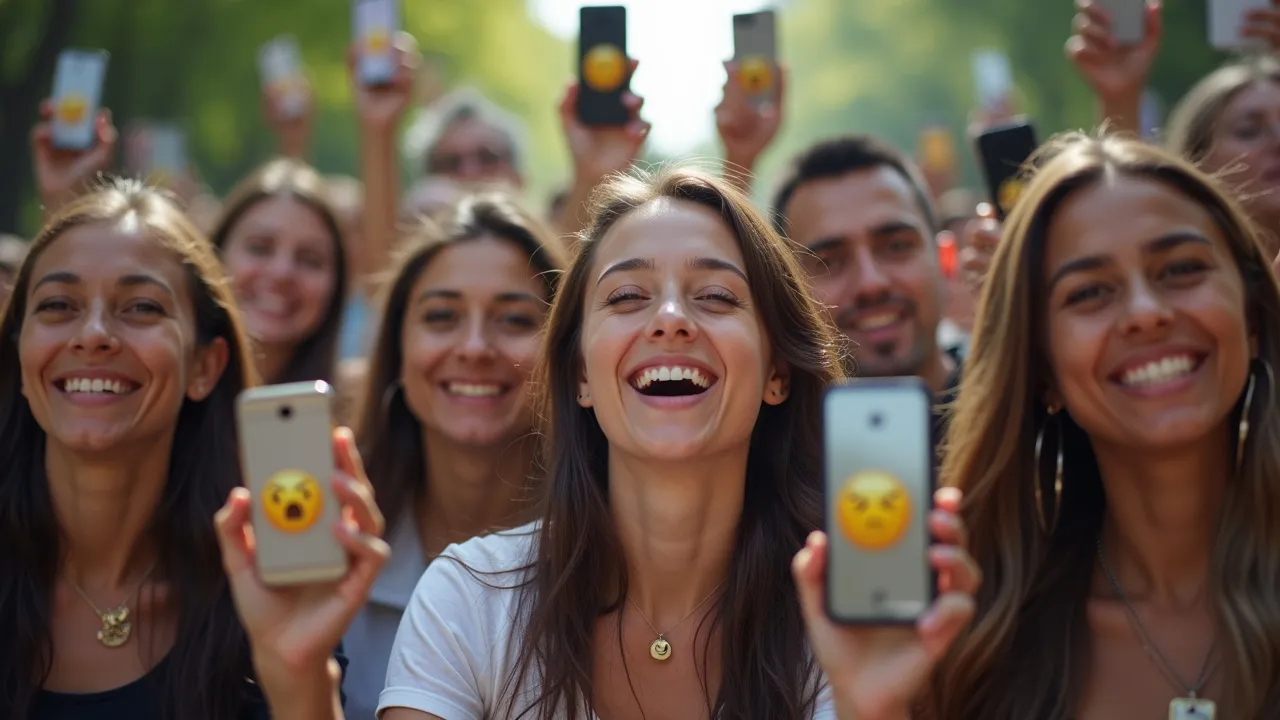
World Emoji Day is celebrated annually on July 17th. It honors the global impact of emojis on digital communication, from their Japanese origins to their universal adoption as a modern language.
The Historical Origins & Evolutionary Journey of World Emoji Day
World Emoji Day, observed annually on July 17th, is a global celebration of emojis and their profound impact on digital communication. The date was chosen because of the way the calendar emoji (📅) appears on iOS devices—showing July 17th. Jeremy Burge, the founder of Emojipedia, established the day in 2014 to acknowledge the cultural phenomenon that emojis had become.
The Foundational Catalyst
Emojis themselves originated in Japan in the late 1990s, created by Shigetaka Kurita for NTT DoCoMo's i-mode mobile internet platform. These early 176 pixelated icons were designed to convey emotions and concepts succinctly. The word "emoji" combines Japanese words "e" (picture) and "moji" (character). By the early 2000s, emojis spread beyond Japan, but were limited by different platforms and carriers. This fragmentation led to the need for standardization, which the Unicode Consortium took on. By 2010, emojis were encoded into Unicode, enabling cross-platform consistency.
The Legislative/Official Adoption
Jeremy Burge launched Emojipedia in 2013 to catalog and explain emojis. Recognizing the growing cultural significance, he proposed World Emoji Day as a way to celebrate. The first observance in 2014 was modest, but it gained traction through social media. Apple's inclusion of the calendar emoji showing July 17th gave the date global recognition. Over the years, brands, celebrities, and organizations have embraced the day, using it to launch new emojis, promote campaigns, and engage with audiences.
Modern Global Legacy
Today, World Emoji Day is marked by major tech companies unveiling new emoji designs, educational events about digital literacy, and global social media campaigns. The day highlights how emojis have become a universal language, transcending linguistic barriers. They are used in marketing, law, and everyday conversations. The event also fosters discussions about inclusivity, as emoji diversity has expanded to represent different races, genders, and cultures.
How to Celebrate World Emoji Day
World Emoji Day offers countless ways to participate, from personal expression to community events. Below are actionable strategies for individuals, schools, and organizations.
For Individuals
- Send Emoji-Filled Messages: Communicate solely using emojis for a day, challenging friends to decode your messages.
- Create Emoji Art: Design artworks or digital collages using emoji characters.
- Host an Emoji Party: Decorate with emoji balloons, serve emoji-shaped cookies, and play emoji guessing games.
For Schools and Educators
- Organize an "Emoji Spelling Bee" where students translate emoji sequences into words.
- Teach digital literacy by discussing the history and cultural impact of emojis.
- Encourage students to design their own emojis and vote on favorites.
For Businesses and Organizations
- Social Media Campaigns: Run emoji-themed contests or quizzes, encouraging users to share using a branded hashtag.
- Product Launches: Announce new emoji-related products or features on July 17th.
- Internal Celebrations: Let employees communicate via emoji in emails or have emoji-themed team meetings.
Globally, countries celebrate with unique traditions. In Japan, events highlight the birth of the emoji. In the U.S., companies like Apple and Google often preview upcoming emoji releases. In the U.K., Emojipedia hosts online events. Regardless of location, the core idea is to celebrate the joy and utility of emojis.
The Cultural Impact of Emojis on Communication
Emojis have revolutionized the way we express emotions in digital text, adding nuance and tone that would otherwise be lost. They serve as non-verbal cues, helping to convey sarcasm, humor, or empathy. Studies show that using emojis can increase perceived warmth and friendliness in messages. They have also influenced language evolution, with the Oxford Dictionaries naming the "face with tears of joy" emoji as the Word of the Year in 2015.
Emojis in Marketing and Branding
Brands leverage emojis to connect with younger audiences, often incorporating them into campaigns. For example, Domino's allowed customers to order pizza by tweeting a pizza emoji. Emojis also feature in product packaging, ads, and social media bios. However, misuse can backfire, so brands must understand cultural contexts. World Emoji Day provides a perfect opportunity for brands to authentically engage.
Global Variations
Different cultures interpret emojis differently. The thumbs-up emoji (👍) is positive in many countries but offensive in parts of the Middle East. The folded hands emoji (🙏) can be seen as prayer or high-five depending on context. Awareness of these nuances is crucial for global communication.
The Evolution of Emoji Design and Unicode Approval
Emoji design has evolved from simple 12x12 pixel grids to highly detailed, scalable vector graphics. Apple, Google, Microsoft, Samsung, and others each have unique styles, but the Unicode Consortium ensures consistent encoding. New emojis are proposed and approved each year through a rigorous process. Proposals must demonstrate potential usage frequency and distinctiveness. Recent additions include multi-skin tone variations, gender-inclusive occupations, and emojis representing disabilities.
Key Milestones
- 1999: Shigetaka Kurita creates the first emoji set for NTT DoCoMo.
- 2010: Emojis are added to Unicode 6.0, enabling cross-platform use.
- 2015: Skin tone modifiers are introduced to promote diversity.
- 2019: Emojis for people with disabilities, like guide dog and wheelchair, are added.
World Emoji Day often coincides with announcements of upcoming emojis, as vendors preview new designs in July.
Emoji Diversity and Inclusion: Progress and Challenges
Emoji representation has broadened significantly, but challenges remain. The Unicode Consortium introduced five skin tone modifiers in 2015, but critics argue that they are applied inconsistently. Emojis for same-sex couples, various family structures, and non-binary individuals have been added. However, some groups still feel underrepresented, such as indigenous cultures and people with rare disabilities.
World Emoji Day serves as a platform to advocate for further inclusion. Campaigns like #EmojiRequest encourage users to propose new symbols. The goal is to ensure that everyone can see themselves in emojis, reflecting the global user base.
The Future of Emojis: AI, Animation, and Beyond
The next frontier for emojis includes animated emojis (like Apple's Animoji and Memoji), augmented reality integration, and AI-generated custom emojis. Deep learning models can now generate personalized emoji based on facial expressions or text prompts. Emojis may also become more interactive, responding to user gestures. As communication moves toward virtual and augmented reality, emojis will evolve into 3D avatars and holograms. World Emoji Day will continue to chart this progress.
Privacy and Ethical Considerations
With AI-generated emojis, concerns about privacy and misuse arise. Users should be aware of data collection when using camera-based emoji features. The celebration also encourages thoughtful use to avoid misunderstandings or over-reliance on symbols.
Historical Timeline
Shigetaka Kurita creates the first set of 176 emojis for NTT DoCoMo's i-mode platform in Japan.
Emojis are encoded into Unicode 6.0, standardizing them across different platforms and devices.
Jeremy Burge launches Emojipedia, the emoji reference website.
First World Emoji Day celebrated on July 17th, proposed by Jeremy Burge.
Apple introduces the calendar emoji showing July 17th, solidifying the date's association. Oxford Dictionaries names the 'Face with Tears of Joy' emoji as Word of the Year.
Unicode 9.0 adds skin tone modifiers and same-sex couple emojis, promoting diversity.
Emojis representing disabilities are added, including guide dog, manual wheelchair, and prosthetic arm.
Unicode 15.0 introduces new emojis including a shaking face, goose, and pickled egg. World Emoji Day events include global online campaigns.