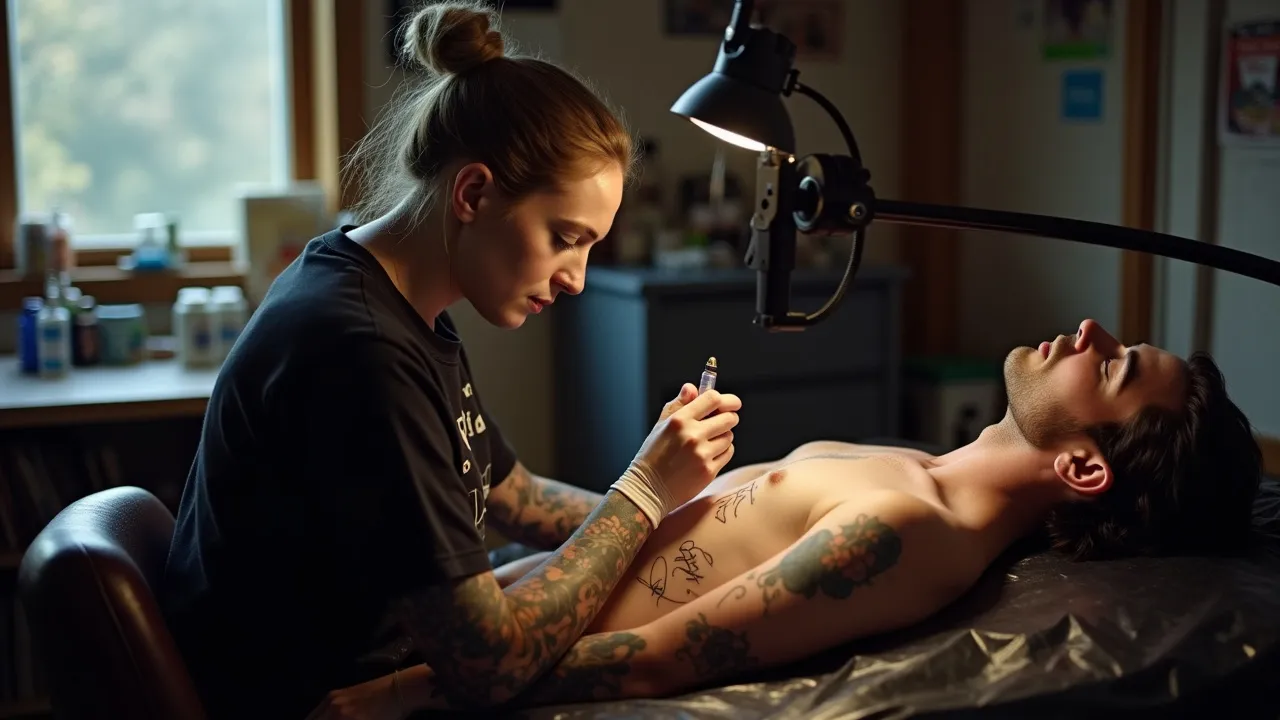
National Tattoo Day, observed on July 17th, celebrates the art, history, and cultural significance of tattooing. It honors the creativity and expression of tattoo artists and enthusiasts worldwide.
The Historical Origins & Evolutionary Journey
The Foundational Catalyst
Tattooing is an ancient practice with evidence dating back over 5,000 years. The oldest known tattooed human is Ötzi the Iceman, whose preserved body shows 61 tattoos dating to around 3370–3100 BCE. These early tattoos likely served therapeutic or spiritual purposes. Throughout history, tattooing has been used for cultural identity, status, protection, and decoration. In many indigenous cultures, tattoos held deep ritual significance, such as the Maori ta moko or the Polynesian tatau.
The Legislative/Official Adoption
National Tattoo Day as a modern observance emerged organically from the tattoo community, with no single legislative act or official proclamation. It was popularized through social media and industry advocacy in the early 2000s, aiming to celebrate body art and combat stigma. July 17th was chosen informally, possibly to align with summer tattoo conventions or historical milestones like the first electric tattoo machine patent by Samuel O'Reilly in 1891.
Modern Global Legacy
Today, tattooing is a mainstream art form and multi-billion-dollar industry. National Tattoo Day encourages appreciation of the craft, promotes safety standards, and fosters a global community. It also highlights the shift from taboo to acceptance, with an estimated 30% of Americans now having at least one tattoo.
How to Celebrate National Tattoo Day
National Tattoo Day offers a perfect opportunity to engage with tattoo culture. Here is a definitive guide to celebrating, whether you are a seasoned collector or a curious newcomer:
For Individuals
- Get a new tattoo: Visit a reputable artist to commemorate the day. Research their portfolio and hygiene practices.
- Attend a tattoo convention: Many cities host events on or around July 17, featuring live tattooing, contests, and vendors.
- Share your story: Post a photo of your tattoo on social media with #NationalTattooDay and explain its meaning.
- Learn about tattoo history: Read books or watch documentaries about ancient tattooing traditions.
For Organizations and Schools
- Host a tattoo art exhibition: Collaborate with local artists to display tattoo flash and designs.
- Invite a guest speaker: A tattoo historian or health expert can discuss safety and cultural significance.
- Organize a charity drive: Partner with a studio to offer flash tattoos with proceeds donated to a cause.
Global Traditions
In Japan, tattooing (irezumi) has deep roots but was long stigmatized; National Tattoo Day helps normalize it. In New Zealand, Maori communities celebrate with ta moko demonstrations. In the US, many shops offer discounted walk-in tattoos on July 17.
Global Impact of Tattoo Culture
Tattooing has transcended cultural boundaries to become a universal form of expression. This section explores its global footprint.
Cultural Exchange
Traditional Polynesian tattooing, once suppressed by colonialism, experienced a revival in the late 20th century. The Samoan tatau, for example, is now celebrated as a symbol of heritage. Similarly, Japanese irezumi influences modern designs worldwide, albeit with respect for its origins.
Economic Influence
The tattoo industry generates over $3 billion annually in the US alone. High-profile artists command tens of thousands per session, and removal services have also boomed. National Tattoo Day boosts local economies as clients seek new ink.
Social Media and Visibility
Platforms like Instagram have democratized tattoo visibility, allowing artists to showcase their work globally. This exposure drives trends, such as fine-line or minimalist tattoos, and fosters cross-cultural appreciation.
Societal Themes and Changing Perceptions
Once associated with sailors, bikers, and criminals, tattoos are now mainstream. This shift reflects broader societal changes.
Professional Acceptance
Many industries, including healthcare and finance, have relaxed visible tattoo policies. A 2021 survey found 76% of employers view tattoos as acceptable. This change is partly due to celebrity influence and military integration.
Generational Attitudes
Millennials and Gen Z embrace tattoos as personal branding. Over 40% of people aged 18–35 have at least one tattoo. National Tattoo Day reinforces positive representation, reducing stigma for older generations.
Gender and Inclusivity
Tattooing is increasingly gender-inclusive. Women now represent nearly 60% of tattoo clients, and queer artists and themes gain visibility. The day promotes diversity and body positivity.
Industry Transformations
The tattoo industry has evolved significantly, driven by technology, regulation, and artistic innovation.
Technological Advances
Modern tattoo machines are rotary or coil-based, offering precision and comfort. Digital stencils and 3D modeling allow clients to preview designs. New inks, including UV-reactive and biocompatible options, expand possibilities.
Health and Safety Standards
Regulations now mandate sterilization, single-use needles, and barrier protection. Bloodborne pathogen training is standard. National Tattoo Day emphasizes choosing licensed studios and aftercare, reducing infection risks.
Artistic Innovation
Genres like watercolor, geometric, and portrait realism push boundaries. Tattoo artists collaborate with museums and fashion designers, elevating tattooing to fine art. The day celebrates this creative explosion.
Health and Safety Considerations
While tattoos are generally safe when done properly, education is crucial. National Tattoo Day promotes responsible practices.
Safe Tattooing Practices
- Choose a licensed artist: Verify their certification and studio inspection records.
- Confirm sterile setup: Needles and tubes should be single-use and opened in front of you.
- Check ink quality: Reputable studios use FDA-compliant pigments to avoid allergic reactions.
Aftercare Essentials
Proper aftercare prevents infection and fading. Keep the tattoo clean, moisturized, and out of direct sun. Avoid swimming and heavy sweating for two weeks. If signs of infection (redness, swelling, pus) appear, consult a doctor immediately.
Risks and Precautions
Allergic reactions to ink, especially red pigments, are rare but possible. People with certain medical conditions (e.g., diabetes, immune disorders) should consult their physician first. Removal via laser is an option but costly and time-consuming; this day also raises awareness about regret prevention.
Historical Timeline
Ötzi the Iceman, discovered in 1991, bears the oldest known tattoos, likely for therapeutic or spiritual purposes.
Samuel O'Reilly patents the first electric tattoo machine, based on Thomas Edison's autographic printer. This revolutionized tattooing.
The tattoo renaissance begins in the US, driven by artists like Lyle Tuttle and Don Ed Hardy, who elevated the craft as fine art.
The rise of reality TV shows like 'Miami Ink' and 'LA Ink' brings tattooing into mainstream popular culture.
The FDA warns about contamination of certain tattoo inks, leading to increased regulation and safety awareness.
The tattoo industry adopts enhanced sterilization protocols in response to the COVID-19 pandemic, ensuring client safety.