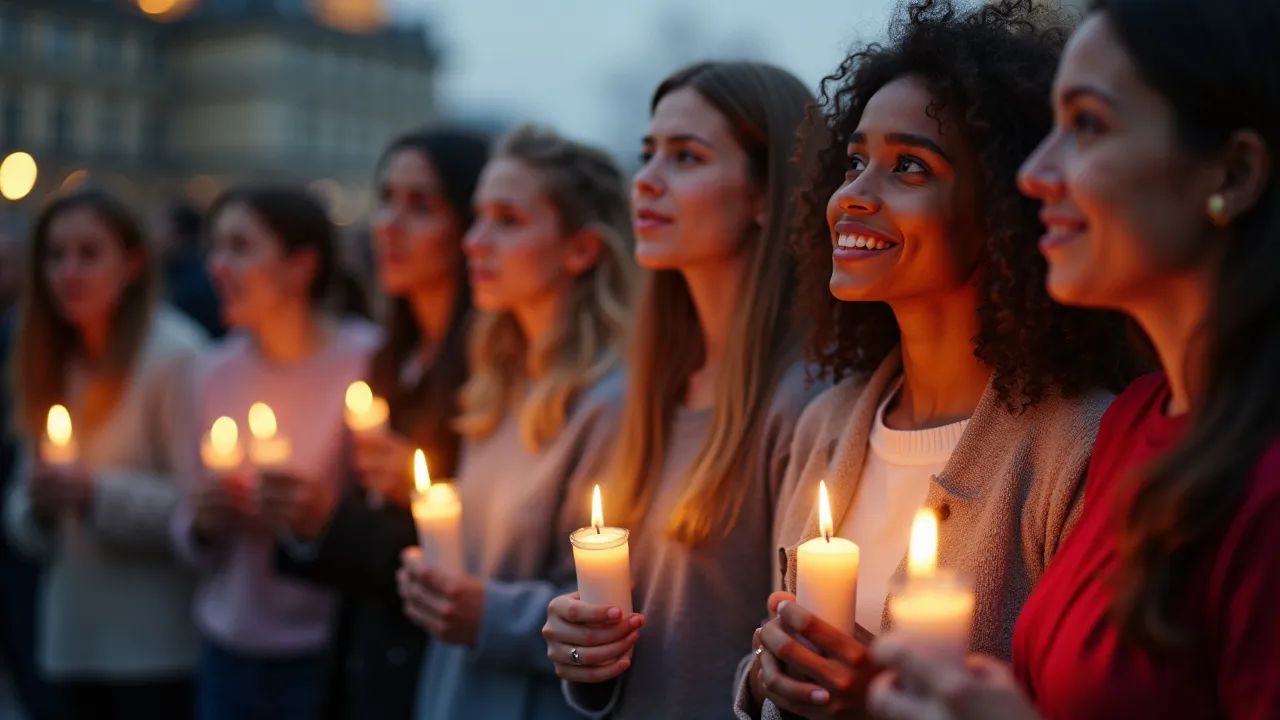
World Cancer Day is observed on February 4th to raise awareness about cancer prevention, detection, and treatment. Founded by the Union for International Cancer Control, it unites the world in the fight against the global cancer epidemic.
The Historical Origins & Evolutionary Journey
The Foundational Catalyst
World Cancer Day was established at the World Summit Against Cancer for the New Millennium in Paris on February 4, 2000. The Charter of Paris Against Cancer was signed by then-French President Jacques Chirac and UNESCO Director-General Koichiro Matsuura, along with global leaders. This document called for a global commitment to cancer research, prevention, and patient support. The date was chosen to mark the signing of the charter, making it the official annual observance.
The Legislative/Official Adoption
The Charter of Paris laid out four main goals: promoting health and prevention, early detection, treatment for all, and quality of life for patients. The Union for International Cancer Control (UICC) took the lead in organizing World Cancer Day annually. In 2005, the UICC formalized the day with a global campaign theme, starting with "Cancer? It's not my problem?" to debunk myths. Over the years, the day gained recognition from the World Health Organization (WHO) and other international bodies, turning it into a major public health event.
Modern Global Legacy
Today, World Cancer Day is observed in over 170 countries. The UICC runs the "I Am and I Will" campaign, focusing on individual and collective action. The day now addresses not only medical aspects but also social determinants, stigma, and inequities in cancer care. It has become a platform for advocacy, fundraising, and education, with landmarks lit in orange and blue (the campaign colors) worldwide.
How to Celebrate World Cancer Day
Individual Actions
- Educate yourself and others: Learn about cancer risk factors, signs, and screening methods. Share verified information on social media using hashtags like #WorldCancerDay.
- Healthy lifestyle changes: Quit smoking, reduce alcohol intake, exercise regularly, and maintain a balanced diet to lower cancer risk.
- Support patients: Volunteer at local cancer support groups, donate to reputable charities, or offer emotional support to someone affected.
Community and School Activities
- Organize a fundraising walk, run, or bake sale with proceeds going to cancer research.
- Host a screening event or webinar with healthcare professionals to discuss prevention and early detection.
- Set up information booths in public places with pamphlets and free health checks (e.g., blood pressure, glucose).
- Encourage schools to have a "Wear Orange and Blue" day to show solidarity.
Corporate and Organizational Rituals
- Light up buildings in orange and blue, the official colors of World Cancer Day.
- Offer employees paid time off for cancer screenings or provide on-site health camps.
- Match employee donations to cancer charities or sponsor a research project.
Regional Variations
In India, many NGOs conduct free cancer detection camps in rural areas. In Brazil, the day is marked with social media campaigns and hospital open days. Japan focuses on workplace initiatives due to high prevalence of stomach cancer. African countries often emphasize cervical and breast cancer awareness. In the United States, major cancer centers host symposia and patient story-sharing events. Australia promotes "Cancer Council" fundraising barbecues. While the date is universally February 4th, cultural contexts shape the activities.
Global Impact and Statistics
Cancer is the second leading cause of death globally, accounting for an estimated 9.6 million deaths in 2018, according to the World Health Organization. World Cancer Day amplifies the urgency of addressing this burden. The day highlights disparities: low- and middle-income countries bear 70% of cancer mortality yet have limited access to treatment. Initiatives like the WHO's Global Action Plan for the Prevention and Control of Noncommunicable Diseases aim to reduce premature cancer deaths by 25% by 2025. The day also promotes the Global Cancer Observatory, a data resource for tracking incidence and mortality. Since its inception, awareness has led to increased funding for research, policy changes like tobacco taxes, and improved screening programs.
Core Societal Themes and Messages
Each year, World Cancer Day adopts a theme from the three-year campaign cycle. The theme from 2022 to 2024 is "Close the Care Gap", focusing on equity in cancer care. Key messages include:
- Prevention: Over one-third of cancers can be prevented by avoiding risk factors and implementing evidence-based strategies.
- Early Detection: Regular screenings (mammography, PAP smears, colonoscopy) can catch cancer early when treatment is more effective.
- Treatment for All: Access to affordable, quality healthcare is a human right, yet millions lack it due to geography, economics, or stigma.
- Quality of Life: Palliative care and psychosocial support are essential components of cancer management.
Day-specific campaigns also tackle myths, such as "cancer is a death sentence" or "only older people get cancer." Survivor stories and patient advocacy are central to humanizing the fight.
Industry Transformations and Research Breakthroughs
World Cancer Day serves as a catalyst for industry collaborations. Pharmaceutical companies often announce new drug approvals or clinical trial results. Immunotherapy, particularly checkpoint inhibitors and CAR-T cell therapy, has revolutionized treatment for blood cancers and melanoma. Liquid biopsies allow non-invasive cancer detection from blood samples. Artificial intelligence is improving diagnostic accuracy in radiology and pathology. The day also promotes the Cancer Moonshot and similar national initiatives. In 2023, the UICC launched the Cancer Atlas, providing interactive data visualization. Advocacy from World Cancer Day has influenced policy, such as the WHO's approval of the HPV vaccine for cervical cancer elimination.
How Organizations and Governments Participate
Governments often issue proclamations, allocate funding, or launch national cancer control plans. The Union for International Cancer Control (UICC) coordinates global efforts, providing toolkits and resources. Nonprofit organizations like the American Cancer Society, Cancer Research UK, and the International Agency for Research on Cancer run awareness campaigns. Hospitals and clinics offer free check-ups, while universities host symposia. Social media plays a huge role: the #WorldCancerDay hashtag trends with millions of posts. Landmarks like the Sydney Opera House, Niagara Falls, and the Colosseum are lit in orange and blue. In 2019, over 1,000 events were registered in more than 100 countries.
Historical Timeline
World Cancer Day is established on February 4, 2000, following the signing of the Charter of Paris Against Cancer at the World Summit Against Cancer for the New Millennium, initiated by French President Jacques Chirac and UNESCO.
The Union for International Cancer Control (UICC) formalizes World Cancer Day with the first theme: 'Cancer? It's not my problem?' to dispel myths and encourage personal responsibility.
The World Health Organization (WHO) officially endorses World Cancer Day, integrating it into the WHO's global noncommunicable disease agenda.
UICC launches the three-year campaign cycle with the theme 'Target 5: Reduce premature deaths from cancer by 25% by 2025'.
The 'I Am and I Will' campaign begins, focusing on individual commitments to reduce cancer risk and support patients.
Over 1,000 events are registered globally, and iconic landmarks are lit in orange and blue for the first time, increasing visibility.
The WHO launches the Global Breast Cancer Initiative on World Cancer Day, aiming to reduce breast cancer mortality by 2.5% per year.
The 'Close the Care Gap' campaign begins, highlighting inequities in cancer prevention and treatment across the world.
World Cancer Day continues to evolve, with digital campaigns and hybrid events reaching millions, and new tools like the Cancer Atlas online platform.