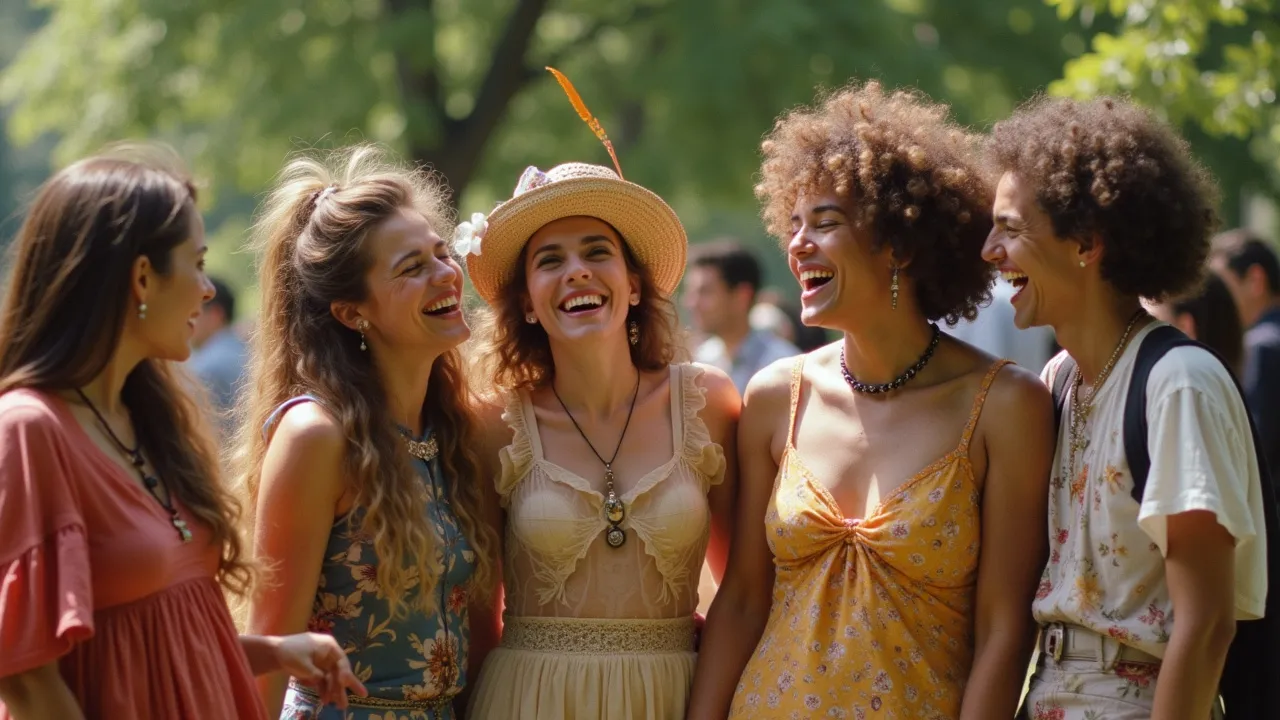
Celebrate your quirks on September 9th! Wonderful Weirdos Day honors individuality and encourages everyone to embrace their unique traits. Join the fun by being your authentic self.
The Historical Origins & Evolutionary Journey
Wonderful Weirdos Day is an unofficial holiday that has grown from a small grassroots idea into a global celebration of individuality. Founded by Wayne Elgin in 2002, the day was originally conceived as a lighthearted counterpoint to societal pressures to conform. Elgin, a former teacher from Oregon, noticed how students who expressed themselves creatively were often marginalized. He designated September 9th as a day to honor those “wonderful weirdos” who dared to be different.
The Foundational Catalyst
The early 2000s saw a rise in self-help movements emphasizing authenticity. Elgin’s inspiration came from a combination of personal experience and the burgeoning online community of free-thinkers. He began by sharing the idea on small internet forums and mailing lists, encouraging people to celebrate by wearing unusual outfits, sharing talents, or simply being themselves without fear. The first celebration in 2002 involved only a few dozen participants, mainly friends and family, but the concept resonated deeply.
The Legislative/Official Adoption
Unlike many official holidays, Wonderful Weirdos Day has never been legally recognized by any government. Its legitimacy stems from popular culture and social acceptance. However, in 2010, the city council of Portland, Oregon—known for its quirky culture—issued a proclamation recognizing September 9th as “Wonderful Weirdos Day” in the city. This symbolic act gave the day a dose of authority and spurred wider adoption. Other towns like Austin, Texas and Burlington, Vermont followed suit in subsequent years.
Modern Global Legacy
Today, the day is celebrated across continents, especially in countries with strong individualism like the United States, Canada, Australia, and parts of Europe. Social media platforms like Instagram and TikTok have amplified its reach, with hashtags such as #WonderfulWeirdosDay and #EmbraceYourWeird trending annually. The day has also been embraced by mental health advocates as a way to reduce stigma around neurodiversity and unconventional lifestyles. In 2023, the observance saw over 2 million posts on social media, cementing its place as a modern cultural phenomenon.
How to Celebrate Wonderful Weirdos Day
Celebrating Wonderful Weirdos Day is all about authenticity and fun. Whether you are an individual, a school, or a corporation, there are countless ways to participate. Below are actionable strategies organized by setting.
For Individuals
- Wear your quirkiest outfit: Mix patterns, colors, and accessories that express your unique style. The more unconventional, the better.
- Share a talent: Do something you love but usually hide—sing, dance, juggle, or recite poetry. Record it and post online using the official hashtag.
- Write a letter to your younger self: Celebrate the weirdness you once suppressed. This personal ritual builds self-acceptance.
For Schools and Educators
- Host a “Weirdness Fair”: Set up booths where students can showcase unusual hobbies or talents, from taxidermy to beatboxing.
- Classroom discussions: Use the day to talk about individuality, bullying, and the value of diversity. Incorporate books or films about misfits.
- Costume parade: Encourage students to dress as their favorite historical “weirdo”—artists like Salvador Dalí or inventors like Nikola Tesla.
For Organizations and Corporations
- Employee appreciation: Allow staff to decorate their workspaces wildly, hold a “weird talent show” during lunch, or give out awards for most unique contributions.
- Community outreach: Partner with local artists or mental health nonprofits to host events that celebrate neurodiversity and creative expression.
- Social media campaign: Encourage employees to share their “weird” side on LinkedIn or corporate accounts, fostering a culture of authenticity.
The Psychology of Embracing Weirdness
Why do we need a day to celebrate weirdos? Psychologists point to the powerful benefits of embracing one’s eccentricities. Conformity can stifle creativity and lead to burnout, while self-acceptance boosts mental health. Dr. Susan Cain, author of Quiet, notes that society often undervalues the contributions of introverts and non-conformists. Wonderful Weirdos Day acts as a counterbalance, giving people permission to step outside social norms without fear of judgment.
The Science of Uniqueness
Research from the University of California shows that individuals who express their authentic traits are more resilient and report higher life satisfaction. The act of celebrating weirdness can:
- Reduce anxiety by lowering the pressure to fit in.
- Increase innovation by encouraging divergent thinking.
- Strengthen social bonds when groups celebrate diversity together.
Neurodiversity and the Day
The day has been particularly embraced by neurodivergent communities, including those with autism, ADHD, and dyslexia. For them, “weird” is not an insult but a badge of honor. Many organizations now use September 9th to launch inclusion initiatives, recognizing that different brain wiring leads to unique problem-solving abilities.
Global Perspectives on Uniqueness
While Wonderful Weirdos Day originated in the United States, the concept of celebrating individuality exists in many cultures. In Japan, the concept of wabi-sabi finds beauty in imperfection. In India, the festival of Holi allows for chaotic self-expression. Here is how different regions interpret the day:
United States
The birthplace of the observance, Americans embrace the day with parades, flash mobs, and social media challenges. Cities like Portland and Austin hold large-scale events with live music and art installations celebrating oddities.
United Kingdom
In the UK, the day is often linked to eccentric British traditions like the Glastonbury Festival or the quirky antics of the Monty Python troupe. Celebrations include tea parties with mismatched china and “weird hat” competitions.
Australia
Australians take a laid-back approach, using the day to host beach bonfires with surfers wearing wacky wetsuits or holding “thong-throwing” contests (flip-flops, not underwear). The emphasis is on outdoor fun and mateship.
Other Regions
In South Africa, the day is celebrated with “ubuntu” spirit—community gatherings where people share stories of their quirks. In Brazil, it merges with Carnival culture, where elaborate costumes are the norm. Nordic countries focus on “hygge”—cozy acceptance of one’s idiosyncrasies.
Wonderful Weirdos in Pop Culture and Media
Wonderful Weirdos Day has found a natural home in pop culture. From movies like The Royal Tenenbaums to TV shows like Stranger Things, the “weird outsider” is a beloved archetype. The day is often leveraged by studios to promote content featuring quirky characters. For example, in 2022, Netflix released a special playlist of “weirdo” films on September 9th.
Literary Weirdos
Classic authors like Dr. Seuss and Roald Dahl wrote extensively about misfits. Their works are frequently read in classrooms on this day. The enduring appeal of characters like Willy Wonka or the Cat in the Hat reinforces that weirdness can be magical.
Music and Art
Musicians known for eccentricity—David Bowie, Björk, Lady Gaga—are unofficial mascots of the day. Many record stores host listening parties for these artists. Art galleries also organize exhibitions titled “The Beauty of Weird” to showcase unconventional pieces.
Social Media Influencers
In the digital age, influencers who celebrate their oddities—like “weird makeup tutorials” or “unusual cooking”—gain large followings. They often host live streams on September 9th to encourage fans to share their own weirdness. This user-generated content keeps the day fresh and inclusive.
The Role of Social Media in Spreading the Day
Without social media, Wonderful Weirdos Day might have remained a niche observance. Platforms like TikTok, Instagram, and Twitter have been instrumental in its viral growth. Hashtags like #WeirdoDay and #WonderfulWeirdos have billions of cumulative views.
Viral Challenges
Each year, new challenges emerge. In 2023, the “Weird Walk” challenge had users filming themselves walking in public with exaggerated, odd gaits. In 2024, the “Embrace Your Weird” photo filter—which adds absurd props to selfies—trended globally.
Community Building
Facebook groups and Reddit communities dedicated to the day have thousands of members. They organize local meetups, share celebration ideas, and offer support to those struggling with self-acceptance. These digital spaces provide a sense of belonging that can be as powerful as in-person gatherings.
Corporate Influence
Brands also capitalize on the day. For example, clothing companies launch lines of mismatched socks, and snack brands sell “weird flavor” chips only on September 9th. While some critics argue this commercializes the day, it also brings mainstream attention to its core message.
Corporate and Community Engagement
Beyond personal celebrations, businesses and nonprofit organizations use Wonderful Weirdos Day to promote inclusivity and creativity. Here are some notable examples:
Corporate Initiatives
- Google often changes its doodle on September 9th to feature quirky inventors or artists.
- Pixar releases behind-the-scenes footage of animators creating weird characters.
- Small businesses offer discounts to customers who arrive in “weird” outfits, boosting foot traffic and community spirit.
Nonprofit Partnerships
Mental health organizations like Bring Change to Mind use the day to host stigma-breaking events. Schools partner with local therapists to run workshops on self-esteem. In 2024, the nonprofit “The Mighty” launched a campaign called “Weird is Wonderful” that raised funds for youth suicide prevention.
Community Events
Local libraries organize “weird book” readings, museums host oddity exhibits, and parks become venues for kite-flying with homemade designs. These events are often free and open to all, reinforcing that everyone belongs, no matter how different they feel.
Historical Timeline
Wayne Elgin first designates September 9th as Wonderful Weirdos Day and celebrates with a small group of friends and family in Oregon.
The concept spreads via early internet forums and email chains, gaining a modest following across the United States.
Portland, Oregon becomes the first city to issue an official proclamation recognizing Wonderful Weirdos Day, lending it legitimacy.
Social media hashtag #WonderfulWeirdosDay trends on Twitter for the first time, reaching over 100,000 posts.
The day gains international traction with celebrations reported in the UK, Canada, and Australia. Major brands begin marketing campaigns.
Amid the COVID-19 pandemic, virtual celebrations surge. Online talent shows and Zoom costume parties become popular.
Instagram reports over 2 million posts with #WonderfulWeirdosDay. The day is covered by major news outlets including CNN and BBC.
The first Global Weirdo Summit is held virtually, drawing participants from 50 countries to discuss creativity and mental health.