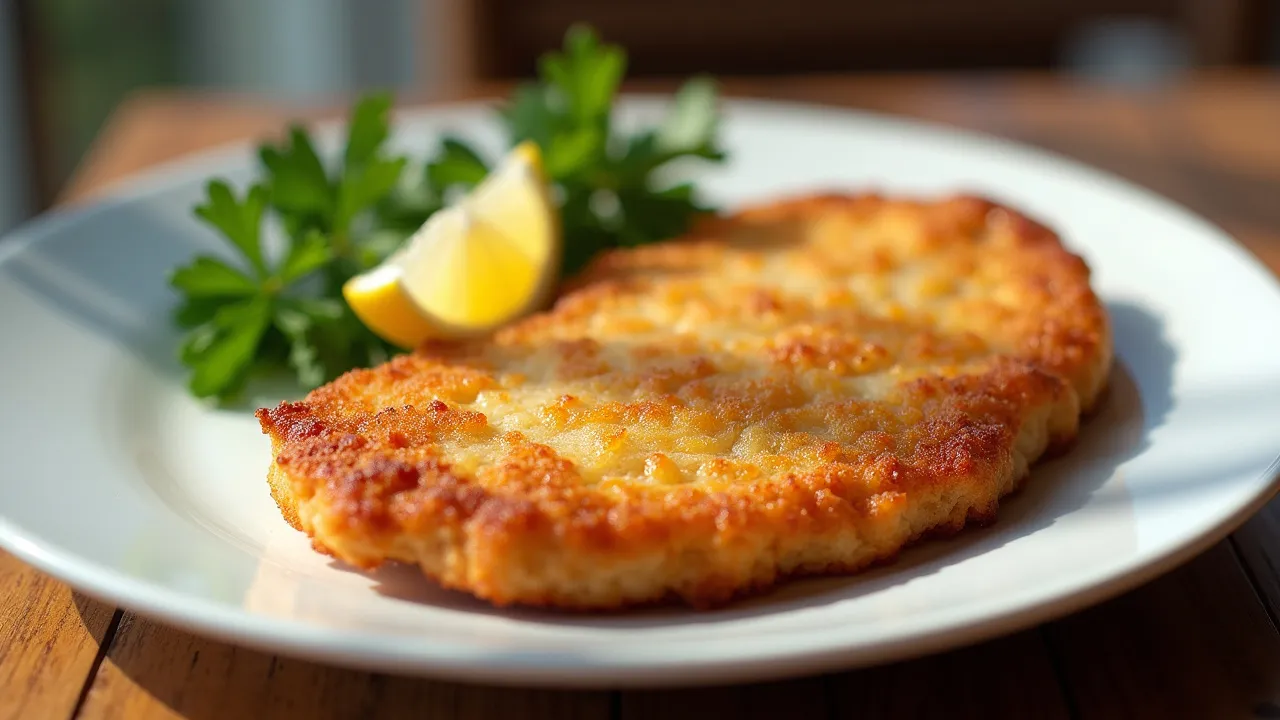
National Wiener Schnitzel Day is celebrated annually on September 9th in the United States. This food holiday honors the classic Austrian breaded and fried veal cutlet, a beloved dish worldwide.
The Historical Origins & Evolutionary Journey of Wiener Schnitzel
National Wiener Schnitzel Day, observed on September 9th, celebrates one of Austria’s most iconic culinary exports. The dish itself has a storied history that spans centuries and continents, evolving from a simple preparation into a global comfort food. This section delves into the intricate past of the schnitzel, from its disputed origins to its official holiday status.
The Foundational Catalyst: Birth of the Wiener Schnitzel
The exact origins of the Wiener Schnitzel are debated, but the most accepted narrative traces it back to 19th-century Vienna. The term “Wiener Schnitzel” (Viennese cutlet) first appeared in cookbooks around the 1830s. Traditionally, it is a thin cutlet of veal, pounded to tenderness, coated in breadcrumbs, and fried in clarified butter. The key innovation was the breading technique, which created a crispy crust while keeping the meat moist. Historical evidence suggests that the dish may have been inspired by the Spanish “escalope” or the Italian “cotoletta alla milanese,” but Vienna perfected it.
The Legislative/Official Adoption: Protecting the Original
In 1969, Austria passed a law (Codex Alimentarius Austriacus) declaring that only a veal cutlet prepared according to traditional methods could legally be called “Wiener Schnitzel.” Pork cutlets must be labeled “Wiener Schnitzel vom Schwein” or “Schnitzel Wiener Art.” This legal protection underscores the cultural importance of the dish. The US food holiday likely emerged in the late 1990s or early 2000s as part of a broader trend of national food days created by marketers and food enthusiasts. September 9th was chosen arbitrarily, possibly due to its proximity to autumn harvest and comfort food season.
Modern Global Legacy
Today, Wiener Schnitzel is synonymous with Austrian cuisine and is enjoyed worldwide. Immigrants brought the recipe to the United States, where it became a staple in German-American restaurants. The holiday encourages home cooks and chefs alike to celebrate the art of breading and frying. While the day is not officially recognized by any government, it has gained traction on social media and food blogs, making it a grassroots celebration of culinary heritage.
How to Celebrate National Wiener Schnitzel Day
Celebrating National Wiener Schnitzel Day on September 9th is a delicious endeavor regardless of your location. This global guide outlines specific best practices, interactive traditions, and social rituals that honor the dish. Whether you’re a home cook, a restaurant owner, or a teacher, there are myriad ways to join the celebration.
For Home Cooks: Mastering the Technique
- Choose the Right Meat: Classic Wiener Schnitzel uses veal cutlets from the top round. If veal is unavailable, use boneless pork chops pounded thin.
- Pound to Uniform Thickness: Place the meat between plastic wrap and pound with a meat mallet to about 1/4 inch thickness. This ensures even cooking.
- Breading Process: Set up a standard breading station: seasoned flour, beaten eggs (with a splash of milk), and fine breadcrumbs (preferably homemade from stale white bread).
- Frying: Use a heavy skillet with clarified butter or a neutral oil with high smoke point. Fry one cutlet at a time, turning once, until golden brown—about 2-3 minutes per side.
- Serve Immediately: Traditional accompaniments include a lemon wedge, Erdäpfelsalat (Austrian potato salad), and a side of lingonberry jam.
For Restaurants: Creating a Special Menu
- Offer a prix-fixe menu featuring Wiener Schnitzel with classic sides and a glass of Grüner Veltliner.
- Host a schnitzel-making class for guests, teaching the art of breading and frying.
- Share the history of the dish on social media using hashtags like #NationalWienerSchnitzelDay and #WienerSchnitzel.
For Schools and Organizations: Educational Celebrations
- Organize a cultural day focusing on Austrian traditions, including a cooking demonstration.
- Create a Schnitzel Taste-Off: Have students sample different variations (veal vs. pork) and vote on their favorite.
- Incorporate geography and history lessons about Vienna and the Austro-Hungarian Empire.
Global Traditions
While National Wiener Schnitzel Day is primarily observed in the US, countries like Austria, Germany, and Switzerland celebrate their own schnitzel culture year-round. In Austria, schnitzel is often served with a fresh green salad and potato salad, while in Israel, schnitzel (made from chicken or turkey) is a national staple. On September 9th, fans worldwide can post their schnitzel creations online, fostering a global community of food lovers.
Ingredients and Variations: Beyond the Classic Veal Cutlet
The classic Wiener Schnitzel is defined by its simple ingredients: veal, flour, eggs, breadcrumbs, and clear fat for frying. However, the dish has inspired countless variations across the globe. Understanding these variations enriches the appreciation of National Wiener Schnitzel Day.
Traditional Ingredients- Veal: The original meat, prized for its tenderness and mild flavor. It is typically cut from the leg or loin.
- Breadcrumbs: Fine, dry crumbs from white bread. Some recipes add a pinch of paprika or nutmeg to the breading.
- Clarified Butter: Preferred for its high smoke point and nutty flavor, but vegetable oil is a common substitute.
- Lemon: A squeeze of fresh lemon juice brightens the richness of the fried cutlet.
Popular Variations Worldwide
- Pork Schnitzel (Schnitzel Wiener Art): Most common in Austria and Germany, made with pork instead of veal. It is equally delicious and more affordable.
- Chicken or Turkey Schnitzel: Popular in Israel, Australia, and the United States, where poultry schnitzel is often served as a sandwich or with hummus.
- Jägerschnitzel: A German variation topped with a rich mushroom cream sauce.
- Rahmschnitzel: Served with a cream sauce, often with mushrooms and onions.
- Zigeunerschnitzel: Topped with a bell pepper and tomato sauce.
- Holsteiner Schnitzel: A fried egg, anchovies, capers, and lemon slices decorate the schnitzel—a nod to Danish cuisine.
Vegetarian and Vegan Alternatives
- Veal: The original meat, prized for its tenderness and mild flavor. It is typically cut from the leg or loin.
- Breadcrumbs: Fine, dry crumbs from white bread. Some recipes add a pinch of paprika or nutmeg to the breading.
- Clarified Butter: Preferred for its high smoke point and nutty flavor, but vegetable oil is a common substitute.
- Lemon: A squeeze of fresh lemon juice brightens the richness of the fried cutlet.
Popular Variations Worldwide
- Pork Schnitzel (Schnitzel Wiener Art): Most common in Austria and Germany, made with pork instead of veal. It is equally delicious and more affordable.
- Chicken or Turkey Schnitzel: Popular in Israel, Australia, and the United States, where poultry schnitzel is often served as a sandwich or with hummus.
- Jägerschnitzel: A German variation topped with a rich mushroom cream sauce.
- Rahmschnitzel: Served with a cream sauce, often with mushrooms and onions.
- Zigeunerschnitzel: Topped with a bell pepper and tomato sauce.
- Holsteiner Schnitzel: A fried egg, anchovies, capers, and lemon slices decorate the schnitzel—a nod to Danish cuisine.
Vegetarian and Vegan Alternatives
For those who prefer plant-based options, seitan or tofu can be pounded thin, breaded, and fried to mimic the texture of schnitzel. Eggplant or zucchini slices also work well.
Nutritional Profile and Health Considerations
Wiener Schnitzel is a classic comfort food, but like all fried foods, it comes with nutritional trade-offs. Understanding its composition helps consumers enjoy it responsibly on National Wiener Schnitzel Day.
Caloric Content
A typical serving of veal Wiener Schnitzel (approximately 150g of meat plus breading) contains around 300-400 calories, with 15-20g of fat, 15-20g of protein, and 15-20g of carbohydrates. The frying process adds 100-150 calories from oil absorption.
Micronutrients
- Veal: Rich in iron, zinc, and B vitamins, especially B12.
- Eggs: Provide choline and vitamin D.
- Breadcrumbs: Contribute small amounts of fiber and iron (if whole wheat).
Healthier Preparation Tips
- Use lean meats like turkey breast and trim visible fat.
- Bake instead of fry: Coat the cutlets with breadcrumbs and bake at 425°F (220°C) on a wire rack until golden, reducing oil usage by 70%.
- Opt for whole wheat breadcrumbs for added fiber.
- Serve with a large salad to increase vegetable intake without extra calories.
While schnitzel is indulgent, occasional consumption as part of a balanced diet is perfectly acceptable. National Wiener Schnitzel Day is the perfect excuse to enjoy this dish in moderation.
Cultural Significance and Global Impact
Beyond its culinary merits, Wiener Schnitzel carries deep cultural weight, symbolizing Austrian identity and hospitality. National Wiener Schnitzel Day amplifies this cultural exchange, influencing global food trends and fostering appreciation for European gastronomy.
Symbol of Austrian Cuisine
Wiener Schnitzel is arguably Austria's most famous dish, comparable to Italy’s pasta or France’s baguette. It appears on menus from Viennese coffeehouses to Michelin-starred restaurants. The dish embodies the elegance of the Habsburg Empire and the simplicity of home cooking.
Influence on International Cuisine
- United States: German-American immigrants popularized schnitzel, often served with mashed potatoes and gravy. The “chicken fried steak” of Texas is a distant cousin.
- Israel: Schnitzel became a staple after Jewish immigrants adapted it using poultry due to kosher laws. It is often eaten with hummus, tahini, or in a pita.
- Australia: Schnitzel is a pub favorite, frequently served with chips and salad, and sometimes smothered in gravy or mushroom sauce.
Socioeconomic Aspects
Wiener Schnitzel is accessible: it requires inexpensive ingredients (except veal) and simple techniques. This democratization of fine dining makes it a unifying dish across social classes. Food holidays like this stimulate local economies through increased restaurant visits and home cooking purchases.
Perfect Pairings: Sides, Sauces, and Beverages
A classic Wiener Schnitzel is rarely eaten alone. The right accompaniments elevate the dish to a memorable meal. On National Wiener Schnitzel Day, knowing these pairings enhances the celebration.
Classic Austrian Sides
- Erdäpfelsalat: A warm potato salad with onions, vinegar, and oil. Unlike creamy German potato salads, Erdäpfelsalat is light and tangy, balancing the richness of the schnitzel.
- Gurkensalat: Cucumber salad with dill and sour cream, providing freshness.
- Preiselbeeren: Lingonberry jam, slightly tart and sweet, cuts through the fat.
Sauce Options
- Lemon: The essential squeeze of fresh lemon juice is the simplest and most traditional sauce.
- Jägersauce: A creamy mushroom sauce for German-style schnitzel.
- Remoulade: A herbed mayonnaise sauce popular in Denmark and Germany.
Beverage Pairings
- Wine: Grüner Veltliner (Austria’s signature white) or a dry Riesling. For red, a light Zweigelt.
- Beer: A crisp lager or pilsner, like a Pilsner Urquell, complements the fried crust.
- Non-alcoholic: Apple cider or sparkling water with lemon.
Experimenting with sides and beverages allows for a personalized celebration of National Wiener Schnitzel Day.
Historical Timeline
The first documented recipe for 'Wiener Schnitzel' appears in a Viennese cookbook, though similar breaded cutlets existed earlier.
Wiener Schnitzel gains popularity in Viennese taverns and becomes a symbol of Biedermeier-era comfort food.
Austria enacts a food law protecting the name 'Wiener Schnitzel' exclusively for veal cutlets. Pork versions must be labeled differently.
National Wiener Schnitzel Day emerges in the United States as part of a wave of food holidays created by food enthusiasts and marketers.
The holiday gains traction on food blogs and social media, with home cooks sharing their schnitzel recipes online.
Austrian chefs petition UNESCO to recognize Wiener Schnitzel as an Intangible Cultural Heritage, elevating its global status.
Due to the pandemic, National Wiener Schnitzel Day sees a surge in home cooking, with many posting their 'shelter-in-place schnitzel' creations.
The holiday is celebrated widely across the US, Austria, and online communities, with specials at Austrian restaurants and virtual cooking demonstrations.