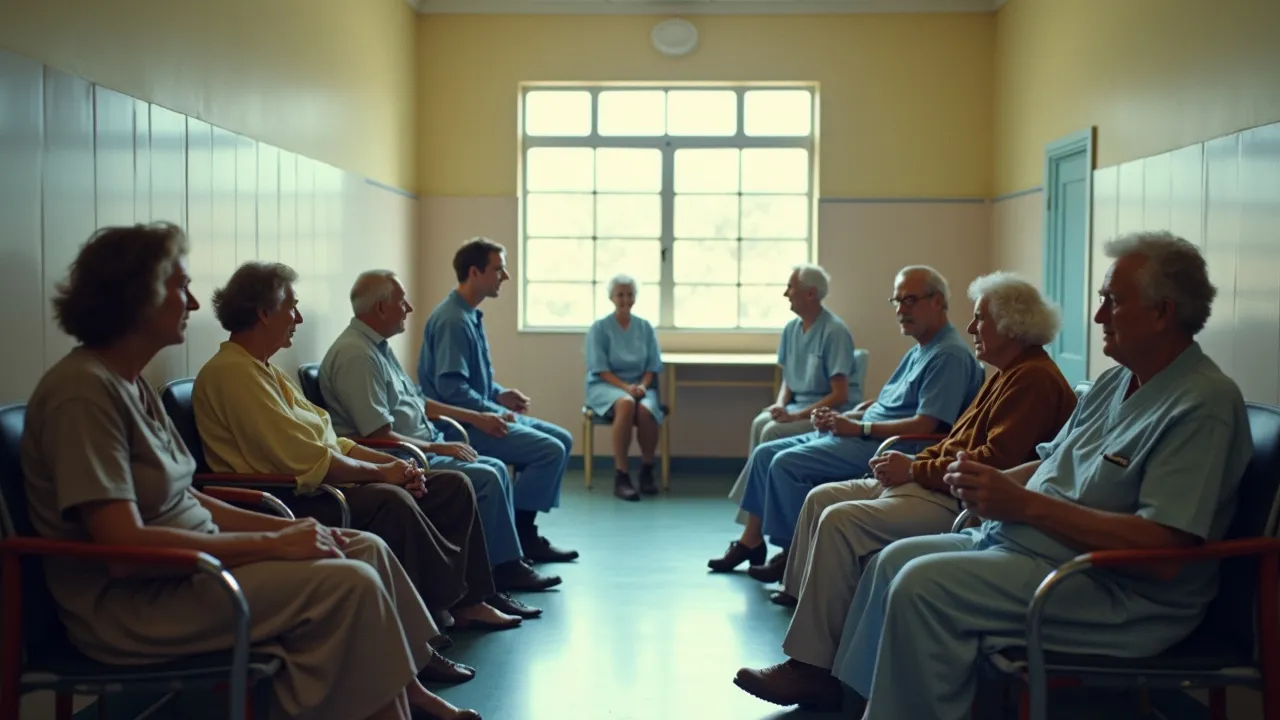
Well-Elderly Clinic Day, observed on the third Monday of March, promotes preventive health checkups and holistic wellness for seniors, emphasizing dignity and proactive care.
The Historical Origins & Evolutionary Journey
Well-Elderly Clinic Day was first proposed in 2014 by Dr. Maria Santos, a geriatrician in São Paulo, Brazil, who noticed a critical gap in preventive care for aging populations. The day's official inception came in 2015 when the Global Elderly Health Foundation (GEHF) launched it to coincide with the vernal equinox, symbolizing renewal.
The Foundational Catalyst
Dr. Santos observed that many elderly patients only visited clinics for acute issues, missing opportunities for early detection of chronic diseases. She advocated for a dedicated day to encourage regular screenings for conditions like hypertension, diabetes, and osteoporosis. The first event in 2015 involved 50 clinics across Brazil offering free consultations.
The Legislative & Official Adoption
In 2017, the World Health Organization (WHO) endorsed the initiative, and by 2019, over 30 countries officially recognized the third Monday in March as a day to promote geriatric health. Governments partnered with NGOs to subsidize transportation and provide multilingual materials.
Modern Global Legacy
Today, Well-Elderly Clinic Day encompasses telehealth services, home visits, and mobile clinics, reaching remote areas. It has evolved into a week-long campaign in some nations, with emphasis on mental health, nutrition, and social engagement.
How to Celebrate Well-Elderly Clinic Day
This day is celebrated through a mix of clinical outreach and community events. Below are actionable strategies for individuals, schools, and organizations worldwide.
For Individuals & Families
- Schedule a comprehensive checkup — book appointments for blood pressure, cholesterol, vision, and hearing tests.
- Update medication lists and review them with a pharmacist to avoid dangerous interactions.
- Plan a healthy meal together or join a community cooking class focused on seniors' nutritional needs.
- Encourage physical activity — take a short walk or join a gentle yoga session held at local parks.
For Schools & Educational Institutions
- Host intergenerational workshops where students learn basic health monitoring (e.g., taking blood pressure).
- Invite geriatric specialists to speak about aging well and career paths in elder care.
- Organize letter-writing campaigns for seniors in assisted living facilities to combat social isolation.
For Organizations & Employers
- Offer free on-site health screenings for employees nearing retirement age.
- Provide flexible scheduling so employees can accompany elderly family members to appointments.
- Donate to mobile clinic programs or sponsor a health fair at a senior center.
Global Variations
In Japan, the day coincides with Keirō no Hi (Respect for the Aged Day) but with extra focus on clinic visits. In Sweden, clinics offer free influenza vaccinations. In Kenya, community health workers conduct door-to-door screenings in rural areas.
Global Impact & Societal Themes
Well-Elderly Clinic Day has significantly influenced public health policies and societal attitudes toward aging. According to the GEHF, participation rates have increased by 40% annually since 2020.
Reducing Healthcare Disparities
The day prioritizes underserved populations, including low-income seniors, those in rural areas, and ethnic minorities. Free clinics and language assistance have narrowed gaps in preventive care access.
Mental Health Awareness
With depression and dementia prevalent among older adults, many clinics now integrate cognitive screenings and counseling referrals. The day also promotes social activities like group art therapy.
Economic Benefits
Early detection through annual checkups reduces the cost of emergency care and hospitalizations. A 2023 study estimated that Well-Elderly Clinic Day saves healthcare systems worldwide over $2 billion annually in avoided treatments.
Intergenerational Solidarity
Schools and universities involvement fosters respect and understanding across age groups, combating ageism and building supportive communities.
Core Themes & Observance Activities
The observance revolves around four central pillars: Prevention, Education, Accessibility, and Dignity.
Preventive Screenings
Participating clinics offer panels for cardiovascular disease, diabetes, osteoporosis, and common cancers. Some provide fall risk assessments and home safety evaluations.
Educational Workshops
Sessions cover topics like medication management, nutrition after 65, and advanced care planning. Experts use plain language and visual aids to ensure comprehension.
Accessibility Enhancements
Transportation subsidies, free parking, and telehealth options remove barriers. Sign language interpreters and large-print materials are standard.
Dignity-Focused Care
Staff receive training in age-friendly communication, ensuring patients feel respected. Private scheduling for sensitive exams and extended appointment times are offered.
Common Activities
Health fairs with multiple stations (blood pressure, glucose, bone density).
Walking clubs led by physiotherapists.
Memory screenings and brain games.
Flu and pneumonia vaccination drives.
Industry Transformation & Technological Innovations
The day has spurred innovation in geriatric care delivery, particularly in telehealth and wearable devices.
Telehealth Expansion
Post-pandemic, many clinics now offer virtual consultations on Well-Elderly Clinic Day, allowing homebound seniors to connect with specialists. Remote monitoring for vital signs (blood pressure cuffs, glucose meters) is often provided at a discount.
Wearable Technology
Partnerships with tech firms have led to free or subsidized fall detection pendants, smartwatches with heart rate alerts, and medication reminder apps distributed during the day.
Data-Driven Prevention
Aggregated anonymous data from screenings helps public health agencies identify regional trends — such as high diabetes rates — and allocate resources accordingly. Predictive analytics now guide targeted outreach.
Pharmaceutical Innovations
The day also highlights new non-invasive diagnostics, such as saliva tests for early cancer markers, and encourages enrollment in clinical trials for age-related conditions.
Environmental & Community Resilience
Well-Elderly Clinic Day increasingly addresses how climate change impacts older adults, who are more vulnerable to heatwaves, poor air quality, and natural disasters.
Climate-Ready Clinics
Many participating facilities now offer cooling rooms, hydration stations, and respiratory support during extreme weather events. Education materials include tips for staying safe during heatwaves and power outages.
Community Networks
Local organizations use the day to establish neighbor-to-neighbor check-in systems for seniors living alone. Volunteers are trained to spot signs of dehydration, heat exhaustion, or medication instability.
Green Spaces
In partnership with city planners, some clinics host tree-planting or community garden events that encourage gentle exercise and improve mental health. These spaces also provide shade and air purification.
The integration of environmental health into elder care reflects a holistic understanding that well-being depends on both personal and planetary health.
Historical Timeline
Dr. Maria Santos proposes a dedicated day for elderly preventive care at the International Geriatric Conference in Geneva.
The first Well-Elderly Clinic Day is celebrated on March 16 in Brazil, with 50 clinics offering free screenings.
The World Health Organization (WHO) officially endorses the day, recommending it as a global public health initiative.
Over 30 countries, including Japan, Sweden, and Kenya, adopt the day; partnerships with telemedicine firms expand access.
COVID-19 pandemic shifts celebrations to virtual formats; home testing kits are distributed for the first time.
The day expands to a weeklong campaign in many regions, adding mental health and climate resilience components.
More than 100 countries participate, with over 10,000 clinics and 2 million seniors reached annually.
A landmark study shows a 15% reduction in preventable hospitalizations among regular participants.