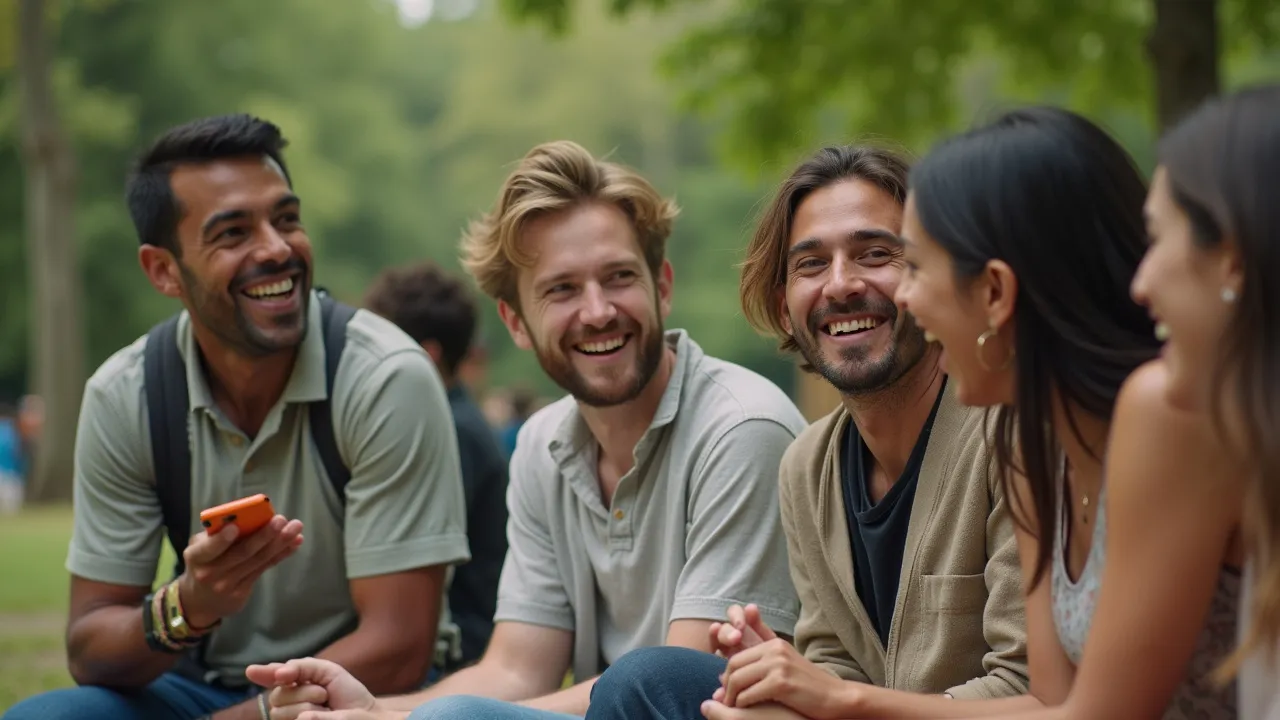
Observed annually on March 16th, No Selfies Day encourages people to put down their phones and engage with the world around them. Instead of capturing self-portraits, participants focus on photographing others or simply enjoying the moment without a lens.
The Historical Origins & Evolutionary Journey
No Selfies Day, observed annually on March 16th, is a relatively modern observance that emerged as a counter-movement to the explosive popularity of selfie culture. The day was first formally recognized in 2014 through a grassroots online campaign aimed at encouraging people to disconnect from self-absorbed photography and reconnect with the world around them. While the exact origin remains diffuse, the day quickly gained traction on social media platforms as users began sharing alternative photo challenges and promoting mindfulness.
The Foundational Catalyst
The term 'selfie' was coined in the early 2000s, but its usage skyrocketed with the advent of front-facing smartphones and social media apps like Instagram and Snapchat. By 2013, Oxford Dictionaries declared 'selfie' the Word of the Year, reflecting its cultural ubiquity. However, concerns about narcissism, mental health, and the distortion of reality began to surface. Psychologists warned that the obsession with self-portraits could lead to body image issues, social comparison, and a loss of genuine human connection. No Selfies Day was born as a direct response to these concerns, promoting the idea that life is best lived in the moment, not through a filtered lens.
The Legislative/Official Adoption
Although No Selfies Day has no official government recognition, it has been endorsed by numerous mental health organizations, schools, and corporate wellness programs. In the United States, it is often listed on popular 'National Day' calendars, and many media outlets cover the day with tips for participating. Some cities have even organized community events, such as 'No Phone Zone' picnics and outdoor photo walks focused on landscapes and portraits of others. The day serves as a symbolic call to action rather than a legal mandate.
Modern Global Legacy
Since its inception, No Selfies Day has evolved into a global movement with regional variations. In countries like Japan and South Korea, where selfie culture is particularly intense, the day has been embraced as a chance to practice 'digital detox.' In Europe, many museums and tourist attractions have turned the day into an 'analogue photography' event, encouraging visitors to shoot film or engage with art without selfies. The day continues to gain relevance as debates around social media addiction and digital wellness intensify.
How to Celebrate No Selfies Day
Celebrating No Selfies Day is about shifting focus from yourself to others and the environment. Here is the ultimate guide to making the most of March 16th.
Individual Actions
- Go camera-free: Challenge yourself to not take any photos at all for 24 hours. Instead, write a journal entry or sketch a scene.
- Photograph others: If you must shoot, take portraits of friends, family, or strangers (with permission) and offer to send them the pictures.
- Digital detox: Delete social media apps for the day or log out to avoid the temptation of posting selfies.
Group and Community Activities
- Organize a 'Selfie-Free' walk: Plan a hike or stroll where participants agree to keep phones away and engage in conversation.
- Host a photo-sharing event: Invite people to bring printed photos of others or nature and share stories behind each image.
- School challenges: Teachers can hold a 'No Selfie' contest where students capture images of their community instead of themselves.
Corporate and Institutional Observances
- Workplace wellness: Companies can encourage employees to take a break from self-promotional posts and instead recognize colleagues' achievements publicly.
- Museum and gallery initiatives: Offer discounts or special tours for visitors who refrain from taking selfies, focusing on the art instead.
Regardless of the approach, the core principle is mindfulness and genuine human interaction.
The Societal Impact of Selfies: A Double-Edged Sword
The selfie phenomenon has reshaped social interaction, identity, and self-expression. On one hand, selfies have empowered individuals—especially marginalized groups—to control their own narratives and celebrate diversity. On the other hand, rampant selfie-taking has been linked to narcissism, anxiety, and a distorted sense of reality. No Selfies Day acts as an antidote, reminding society that authentic connection often thrives outside the frame.
Psychological Implications
Studies show that excessive selfie posting correlates with lower self-esteem and higher levels of depression, especially among teenagers. The constant comparison to curated online images can lead to body dysmorphia. Taking a break on March 16th helps reset these patterns.
Cultural Shifts
In many cultures, selfies have become a staple of tourism and events, often detracting from the actual experience. No Selfies Day encourages a return to immersive experiences, where the memory is more important than the photo.
The Rise of the Anti-Selfie Movement
The anti-selfie movement predates No Selfies Day, but the day has become its flagship annual event. Influenced by philosophers like Byung-Chul Han, who critiqued the 'transparency society,' the movement advocates for privacy and presence. Key milestones include the creation of 'selfie-free zones' at events like the Olympics and music festivals. No Selfies Day channels this sentiment into a collective act of resistance against the attention economy.
Digital Minimalism
Inspired by thinkers like Cal Newport, the movement promotes digital minimalism: using technology intentionally. Participants often report feeling more connected to their surroundings and less anxious after a day without selfies.
Corporate Ethics
Some tech companies have introduced 'well-being' features (e.g., iPhone's Screen Time) in response to public pressure. No Selfies Day serves as a reminder that individuals can take back control without waiting for corporate changes.
Corporate and Institutional Observances Worldwide
Businesses and organizations have embraced No Selfies Day as a low-cost, high-impact way to promote well-being among employees and customers. In Japan, some companies encourage 'No Selfie' stickers on phones to remind staff to engage in conversation. In the UK, several museums run 'Selfie-Free' evenings to encourage deep appreciation of artworks. Schools use the day to teach media literacy and the difference between online persona and reality. These institutional efforts amplify the day's message and normalize mindful tech use.
Global Perspectives on Selfies and Regional Variations
While the primary date for No Selfies Day is March 16th, the selfie phenomenon varies across regions, leading to unique celebrations. In South Korea, where 'selca' (selfie) culture is pervasive, the day has been adopted as a chance to practice 'digital fasting.' In Brazil, where selfies are common during Carnival, the day encourages focusing on community samba and street parties instead. In India, some states have launched campaigns against dangerous selfies (e.g., on trains or cliffs), and No Selfies Day is used to promote safety awareness. Australia has even seen 'selfie deaths' due to risky behavior, making the day a platform for safety education. These regional adaptations demonstrate the day's flexibility and global relevance.
Historical Timeline
First known use of the word 'selfie' on the Australian online forum 'ABC Online'.
'Selfie' is named Word of the Year by Oxford Dictionaries, highlighting its cultural ubiquity.
The first No Selfies Day is observed on March 16th, emerging from online campaigns promoting mindfulness and real-world connection.
No Selfies Day gains media coverage from outlets like The Huffington Post and USA Today, spreading awareness across the United States.
Several schools and universities officially adopt No Selfies Day activities, including selfie-free photography classes and digital detox workshops.
Museums in Europe, including the Louvre, introduce 'Selfie-Free' hours on March 16th, encouraging visitors to engage deeply with art.
The mental health benefits of No Selfies Day are highlighted by organizations like the Anxiety and Depression Association of America.
Japan's Ministry of Health endorses the concept, integrating No Selfies Day into broader digital wellness campaigns.
Due to the COVID-19 pandemic, No Selfies Day goes virtual, with online challenges like 'Photo of Others' shared on Instagram Stories.
Corporate giants like Google and Apple encourage employees to participate, promoting Work-Life Balance initiatives on March 16th.
No Selfies Day becomes a trending topic on Twitter, with over 1 million mentions, showing persistent global interest.