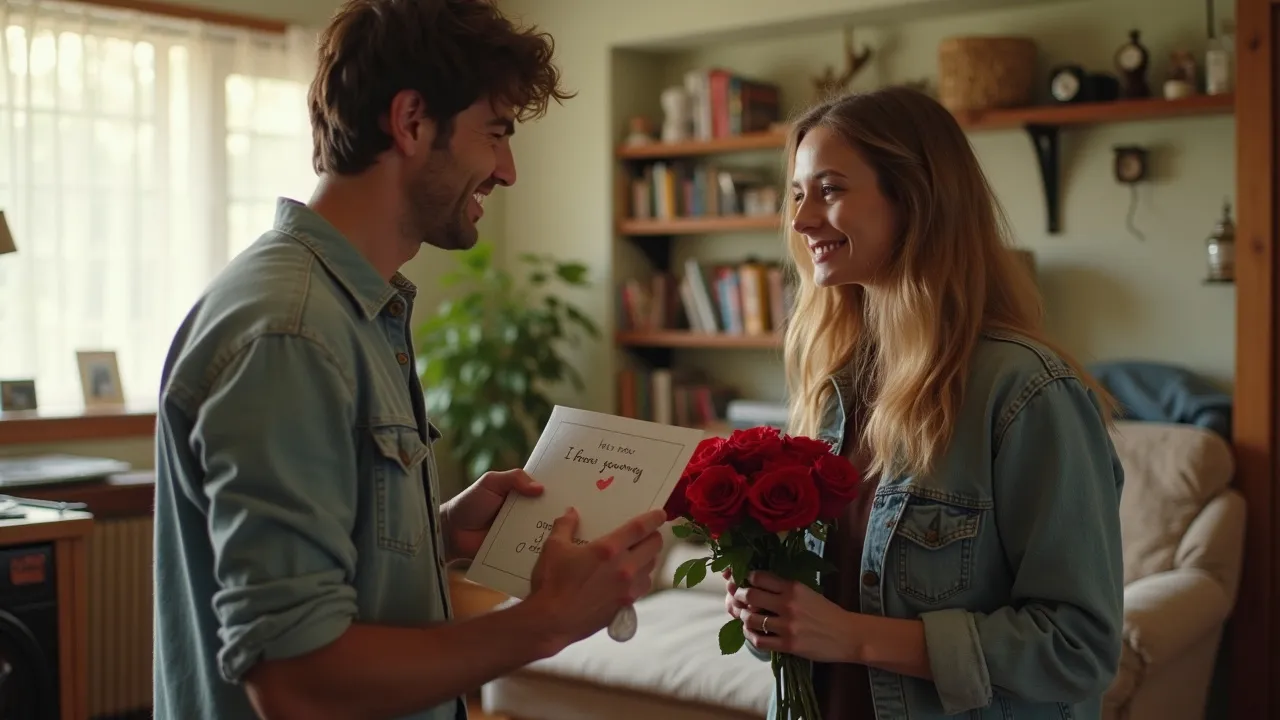
Valentine's Day, observed on February 14th, is a global celebration of love and romance. Originating from ancient Roman festivals and Christian martyrdom, it has evolved into a commercial and cultural phenomenon marked by cards, flowers, and gifts.
The Historical Origins & Evolutionary Journey
Valentine's Day, as we know it, is the result of a complex fusion of ancient Roman traditions, Christian hagiography, and medieval literary influences. Its roots extend back over two millennia, intertwining pagan fertility rites with religious martyrdom and courtly love.
The Foundational Catalyst: Lupercalia and Early Roman Traditions
The earliest precursor to Valentine's Day was the Roman festival of Lupercalia, celebrated annually on February 15th. This pastoral rite honored the god Lupercus and was associated with fertility and the coming of spring. During Lupercalia, priests would sacrifice goats and a dog, then use the blood-soaked hides to lightly whip women, a practice believed to enhance fertility. Young men and women were also paired through a lottery system, forming temporary romantic bonds that often led to marriage. In the 5th century, Pope Gelasius I sought to Christianize this pagan celebration. He officially abolished Lupercalia in 496 AD and proclaimed February 14th as the Feast of Saint Valentine.
The Legislative/Official Adoption: The Legend of Saint Valentine
Who was Saint Valentine? The historical record is ambiguous, with at least three different saints named Valentine or Valentinus commemorated on February 14th. The most popular legend involves a Roman priest named Valentine who defied Emperor Claudius II's ban on marriages for young men (believing single men made better soldiers) by performing secret weddings. When discovered, Valentine was imprisoned and executed on February 14th around 270 AD. Another tale claims Valentine was a bishop of Terni who healed the blind daughter of his jailer, converting the entire household before his martyrdom. Regardless of the exact origin, the association with romantic love solidified in the Middle Ages through the writings of Geoffrey Chaucer. In his 1382 poem "Parliament of Foules", he linked February 14th (the feast day) with the mating season of birds, writing: "For this was on Saint Valentine's day, when every bird cometh there to choose his mate." This literary connection propelled Valentine's Day into the realm of courtly love.
Modern Global Legacy: Commercialization and Cultural Export
The holiday remained a largely upper-class tradition of exchanging handwritten notes and tokens of affection until the 19th century. The invention of the printing press made mass-produced valentines affordable. In the 1840s, Esther A. Howland, known as the "Mother of the Valentine," began mass-producing ornate, lace-filled cards in the United States. The 20th century saw exponential commercialization: candy companies like Necco (conversation hearts) and Hershey's, along with florists (roses) and jewelers, crafted a multi-billion-dollar industry. Today, Valentine's Day is celebrated in over 100 countries, though traditions vary. In Japan, women give chocolates to men (obligatory giri-choco for colleagues and honmei-choco for true love), while men reciprocate a month later on White Day. In Finland, the day is called Ystävänpäivä (Friendship Day), focusing on friends rather than romantic partners. The global spread has been fueled by Western pop culture and commercial interests, yet local adaptations continue to flourish.
How to Celebrate Valentine's Day: A Global Guide
Valentine's Day offers countless ways to express love and appreciation. Whether you prefer traditional romance, quirky modern twists, or community-oriented acts, this guide covers best practices from around the world. Adapt these ideas to your personal style and relationship.
Classic Romantic Gestures
- Write a heartfelt letter: In the age of texts, a handwritten note carries deep emotional weight. Mention specific memories, qualities you admire, and future hopes.
- Prepare a home-cooked meal: Cooking together or for your partner is intimate and thoughtful. Candlelight and favorite dishes set the mood.
- Exchange thoughtful gifts: Flowers (red roses symbolize passion), chocolates (quality over quantity), jewelry, or a personalized item. Avoid generic gifts; tailor to the recipient's tastes.
Unique Celebrations Around the World
- Japan: Women give chocolates to men on February 14th. Giri-choco (obligation chocolate) for male coworkers, honmei-choco (true feeling chocolate) for a romantic partner. Men reciprocate on White Day (March 14th) with white gifts.
- South Korea: Similar to Japan but adds Black Day (April 14th) for singles to eat black noodles together.
- Denmark: Senders often exchange gaekkebrev (joking letters or poems) anonymously, signed with dots. If the recipient guesses the sender, they earn a candy egg later.
- Philippines: Mass weddings are common on February 14th, funded by the government or organizations, making marriage affordable for many couples.
- Finland: Called Ystävänpäivä (Friendship Day), celebrating all kinds of loving relationships, not just romantic. Cards and small gifts are exchanged among friends.
- Brazil: Dia dos Namorados (Lovers' Day) is celebrated on June 12th (eve of Saint Anthony's day, the matchmaker saint) with music festivals, gifts, and romantic dinners.
Inclusive & Non-Romantic Ideas
Not everyone has a partner, but love can be shared with family and friends. Host a "Galentine's Day" brunch (popularized by TV show Parks and Recreation), volunteer at a local charity, or send cards to nursing home residents. Self-love is also valid: treat yourself to a spa day, buy a book, or start a journal of positive affirmations. In many schools, children exchange valentines with classmates, fostering community and kindness.
Economic Impact: The Love Economy
Valentine's Day is one of the most commercially significant holidays globally. In the United States alone, consumers spend over $20 billion annually on gifts, dining, and experiences. This economic activity fuels several industries.
Key Sectors
- Greeting Cards: Approximately 145 million Valentine's Day cards are exchanged each year in the US (excluding kids' classroom exchanges), making it the second most card-giving holiday after Christmas. The average card costs $3–5, with premium designs selling for more.
- Floriculture: Over 250 million roses are grown for Valentine's Day, with red roses accounting for 45% of sales. Prices spike up to 200% in the weeks before February 14th. Colombia and Ecuador are major exporters.
- Confectionery: Chocolates and candies generate ~$2 billion in US sales. Heart-shaped boxes, conversation hearts, and gourmet truffles dominate. Hershey's, Mars, and Lindt heavily market seasonal offerings.
- Jewelry: Engagement rings, necklaces, and bracelets see a significant boost. The average jewelry spend per buyer is about $160, with diamonds and gemstones being top choices.
- Restaurants & Entertainment: Couples flock to upscale restaurants, often booking weeks in advance. The average dinner cost for two exceeds $100. Movie theaters, concerts, and hotel stays also see increased revenue.
Global Market Differences
While the US leads in spending, other countries have their own patterns. In the UK, consumers spend about £1.4 billion, with a focus on cards and romantic dinners. In Japan, the market is structured around chocolate-giving: the chocolate industry sees over $2.5 billion in sales, with a heavy emphasis on premium brands and department store pop-ups. In China, the younger generation adopts Western-style celebrations, but spending still lags behind the Spring Festival and Singles' Day.
The holiday's commercial nature draws criticism for fostering materialism and pressuring people to spend. However, many small businesses—local florists, bakeries, and artists—rely on the seasonal surge. Sustainable and ethical gifts are gaining traction, such as fair-trade chocolate, locally grown flowers, and handmade cards.
Cultural Significance & Controversies
Valentine's Day holds a contested place in modern culture. While many embrace it as a joyful opportunity to express love, others critique its commercialization, exclusivity, and heteronormative framing. Understanding these perspectives deepens appreciation of the holiday's role.
Celebration of Love vs. Commercial Pressure
At its core, Valentine's Day is about fostering emotional bonds. Couples use it to recommit, singles celebrate self-love or friendship, and children learn to share kindness. However, marketers exploit this by creating a narrative that love must be proved through expensive gifts. This pressure can cause anxiety, especially among younger demographics, and lead to overspending. Critics argue the holiday has become a "Hallmark holiday," though the greeting card giant did not invent it.
Exclusivity and Loneliness
Valentine's Day can exacerbate feelings of loneliness for singles, widowed, or those in strained relationships. In many cultures, the focus on romantic love marginalizes non-romantic relationships. The rise of "Singles Awareness Day" (SAD) on February 15th and alternative celebrations like Friendship Day (in Finland and some other countries) attempts to counter this. In South Korea, Black Day on April 14th allows singles to commiserate over black noodles.
Religious Debates
Some conservative Christian groups object to the holiday's pagan roots, while others embrace the story of Saint Valentine as a symbol of sacrificial love. In predominantly Muslim countries like Saudi Arabia, Valentine's Day has been officially banned as un-Islamic, though enforcement is inconsistent. In India, right-wing groups have protested the holiday as a corrupting Western influence, though it remains popular among urban youth.
LGBTQ+ Inclusivity
Valentine's Day traditionally promotes heterosexual romance, but LGBTQ+ couples increasingly claim the day. Marketers now feature same-sex couples in ads, and some events specifically cater to queer communities. However, in countries where same-sex relationships are criminalized, public celebration remains dangerous.
Modern Celebrations & the Digital Age
Technology has transformed how people celebrate Valentine's Day. From dating apps to virtual gifts, digital tools both enhance and complicate romantic rituals.
Online Dating and Love
For many singles, Valentine's Day is a prime opportunity to match on apps like Tinder, Bumble, or Hinge. Statistics show a significant spike in profiles and messaging around February 14th. Some apps offer special features, such as Tinder's "Flood Mode" or Bumble's Valentine's Day filters. However, the day can also amplify loneliness if matches don't lead to real connections.
Social Media and Public Displays
Platforms like Instagram, Facebook, and TikTok explode with romantic posts, couple photos, and gifts unboxings. Hashtags like #ValentinesDay, #Love, and #MyValentine trend globally. This culture of performance can pressure people to stage perfect moments, leading to curated happiness. Conversely, it allows long-distance couples to share virtual celebrations.
E-Gifts and Virtual Experiences
Digital gift cards, subscription boxes (e.g., for flowers or chocolate), and virtual dates (cooking classes, streaming parties) have grown popular. Couples separated by distance can use video calls to share a meal. Cryptocurrency and NFTs have even been proposed as modern love tokens, though niche.
The Rise of Self-Care and "Galantines"
The Galentine's Day concept, coined in the TV show Parks and Recreation, celebrates female friendship on February 13th. It has caught on commercially, with brunch events, spa discounts, and social media trends. Similarly, self-love campaigns encourage people to treat themselves to a solo date, mindfulness, or a personal treat.
Environmental Impact & Sustainable Celebrations
The traditional Valentine's Day gift ecosystem has significant environmental costs. From carbon-heavy flower imports to plastic-wrapped chocolates, the holiday leaves a sizable ecological footprint. Growing awareness has sparked sustainable alternatives.
Environmental Costs
- Roses: Most red roses sold in the US and Europe are flown from Colombia, Kenya, or Ecuador. A single rose can produce up to 3 kg of CO2 due to refrigeration and air freight. Intensive farming uses pesticides and water.
- Chocolate: Cocoa production is linked to deforestation, child labor (especially in West Africa), and high water usage. The chocolate supply chain often lacks transparency.
- Cards & Wrapping: Paper cards, glitter, and plastic packaging contribute to waste. Many cards cannot be recycled due to foil or glue.
- Jewelry: Diamond mining causes habitat destruction and human rights issues (conflict diamonds).
Sustainable Alternatives
- Choose local or dried flowers: Buy from farmers' markets, grow your own, or opt for potted plants that last longer. Dried flower bouquets are trendy and reduce waste.
- Fair-trade & organic chocolates: Look for certifications like Fair Trade, Rainforest Alliance, or Bean-to-Bar artisan chocolate that sources ethically.
- Digital or homemade cards: Use e-cards, or craft cards from recycled materials. Seed paper cards that can be planted are a unique option.
- Experiences over things: Gift a concert ticket, a cooking class together, a national park pass, or a volunteer date. These create memories without material waste.
- Second-hand or vintage gifts: Antique jewelry, thrifted decor, or refurbished electronics are eco-friendly and often more unique.
- Carbon offsetting: If you do send flowers, consider offsetting the flight emissions through reputable programs.
By making mindful choices, we can celebrate love while respecting the planet. Many couples now incorporate sustainability into their relationship values, making eco-friendly Valentine's Day a growing trend.
Historical Timeline
Martyrdom of Saint Valentine. Emperor Claudius II executes a Roman priest for performing secret marriages, later canonized as Saint Valentine.
Pope Gelasius I declares February 14th as the Feast of Saint Valentine, replacing the pagan Lupercalia festival.
Geoffrey Chaucer's poem 'Parliament of Foules' associates Valentine's Day with bird mating, linking the day to romantic love for the first time.
First mass-produced valentine cards appear. The Young Man's Valentine Writer is published, offering verses for sentimental notes.
Esther A. Howland begins mass-producing ornate valentines in the US, earning her the title 'Mother of the Valentine.'
Cadbury introduces the first heart-shaped box of chocolates (the Fancy Box), revolutionizing confectionery gifts.
Hallmark Cards (then Hall Brothers) produces its first Valentine's Day card, accelerating commercialization.
NECCO begins production of Sweetheart Conversation Hearts, iconic candy with messages like 'BE MINE' and 'LOVE YOU.'
Japan's White Day (March 14th) becomes widely commercialized; men reciprocate gifts to women a month after Valentine's Day.
Galentine's Day gains mainstream popularity after the TV show Parks and Recreation, celebrating female friendship on February 13th.