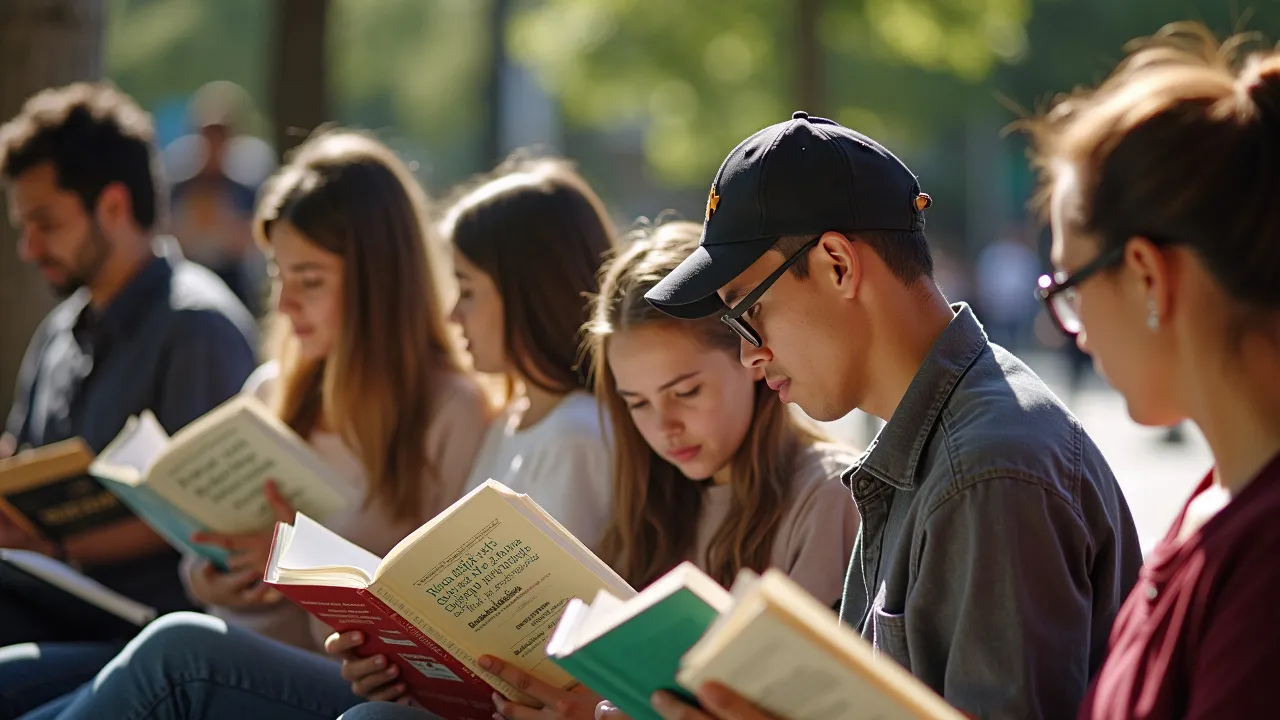
UN Spanish Language Day is observed on April 23 to celebrate the Spanish language and its culture, coinciding with the death anniversary of Miguel de Cervantes. It promotes multilingualism and cultural diversity within the United Nations.
The Historical Origins & Evolutionary Journey
UN Spanish Language Day was established by the United Nations Department of Public Information in 2010 as part of a broader initiative to celebrate linguistic diversity and promote the six official UN languages. The date April 23 was chosen to honor Miguel de Cervantes, the iconic Spanish author of Don Quixote, who died on this day in 1616. This date also coincides with World Book Day, further emphasizing the link between language and literature.
The Foundational Catalyst
The idea for UN language days arose from the need to foster greater awareness and respect for the organization's multilingual policy. Spanish, spoken by over 500 million people worldwide, is the second most spoken native language after Mandarin. The day aims to highlight the historical and cultural contributions of the Spanish-speaking world, from literature and art to science and diplomacy.
The Legislative/Official Adoption
In 2010, the UN officially launched language days for each of its six official languages: Arabic, Chinese, English, French, Russian, and Spanish. The first UN Spanish Language Day was celebrated on April 23, 2010, with events at UN headquarters in New York and other offices globally. The day has since grown into a global celebration featuring lectures, exhibitions, film screenings, and cultural performances.
Modern Global Legacy
Today, UN Spanish Language Day is not just a UN event but is observed by Spanish-language institutions worldwide, including the Cervantes Institute and the Royal Spanish Academy. It has become a platform for promoting the Spanish language in international forums, education, and digital spaces. The UN continues to use the day to release new language-learning resources and highlight the importance of multilingualism in achieving the Sustainable Development Goals.
How to Celebrate UN Spanish Language Day
UN Spanish Language Day offers numerous opportunities for individuals, schools, and organizations to engage with the Spanish language and Hispanic cultures. Below are practical ways to participate:
For Individuals
- Read Spanish Literature: Pick up a classic like Don Quixote or explore works by Gabriel García Márquez, Isabel Allende, or Pablo Neruda.
- Watch Spanish-Language Films: Enjoy movies from Spain, Mexico, Argentina, or other Spanish-speaking countries.
- Practice the Language: Use language apps, attend a conversation group, or write a journal entry in Spanish.
- Attend Virtual Events: Many cultural institutions offer free online lectures, concerts, and workshops.
For Schools & Universities
- Organize a Language Fair: Showcase Spanish-speaking countries with food, music, and art.
- Host a Spelling Bee in Spanish: Promote vocabulary and spelling skills.
- Invite Guest Speakers: Invite native speakers or professors to discuss Hispanic heritage.
For Organizations & Businesses
- Launch a Spanish-Language Campaign: Introduce marketing materials in Spanish to reach broader audiences.
- Offer Language Classes: Encourage employees to learn Spanish through subsidized courses.
- Celebrate Hispanic Culture: Host a potluck with traditional dishes from Spanish-speaking regions.
By actively participating, you contribute to the UN's mission of fostering multicultural understanding and linguistic diversity.
The Global Reach of Spanish Language
Spanish is a truly global language, spoken across 21 countries and territories. With over 500 million speakers, it is the fourth most spoken language in the world by total number of speakers. The language has deep roots in Europe, the Americas, and even parts of Africa and Asia.
Geographic Distribution
- Europe: Spain, the origin of the language, with about 47 million native speakers.
- Americas: The majority of speakers live in Latin America, with Mexico (130 million), Colombia (50 million), Argentina (45 million), and others.
- United States: Over 40 million Spanish speakers, making it the second most spoken language in the country.
- Africa & Asia: Equatorial Guinea (official) and the Philippines (historical presence) also have Spanish-speaking communities.
Economic and Cultural Influence
Spanish is a major language in international trade, diplomacy, and tourism. It is an official language of the UN, European Union, African Union, and many other organizations. Culturally, Spanish-language music, film, and literature have a massive global following. The annual economic value of the Spanish language is estimated to be over 15% of the world's GDP.
Digital Presence
Spanish is the third most used language on the internet, with millions of websites, social media accounts, and digital resources. The day encourages the creation and consumption of digital content in Spanish to strengthen its online presence.
Cultural Significance and Literary Connections
The choice of April 23 is deeply rooted in literary history. On this date in 1616, Miguel de Cervantes, William Shakespeare, and Inca Garcilaso de la Vega all died, though under different calendars. Cervantes' masterpiece, Don Quixote, is considered the first modern novel and a cornerstone of Spanish literature. UN Spanish Language Day celebrates this rich literary heritage.
Celebrated Authors and Works
- Miguel de Cervantes: Don Quixote (1605)
- Gabriel García Márquez: One Hundred Years of Solitude (1967)
- Pablo Neruda: Twenty Love Poems and a Song of Despair (1924)
- Isabel Allende: The House of the Spirits (1982)
- Jorge Luis Borges: Ficciones (1944)
The day also encourages reading and book exchanges, often paired with World Book Day celebrations. Many schools organize read-aloud sessions of Spanish poems or short stories.
The Role of the UN in Language Promotion
The United Nations is committed to multilingualism as a core value, ensuring that all six official languages are treated equally. UN Spanish Language Day is part of this effort, promoting the use of Spanish in official proceedings and communications.
Multilingualism at the UN
The UN employs interpreters, translators, and language staff to facilitate communication across languages. Spanish is used in General Assembly debates, Security Council meetings, and official documents. The day often features workshops on UN interpretation and translation careers.
Initiatives and Resources
- UN Language Program: Offers Spanish courses to staff and delegates.
- Digitized Archives: Access to historical Spanish documents.
- Cultural Events: Concerts, art exhibitions, and film screenings showcasing Spanish-speaking countries.
By highlighting the role of language, the UN fosters inclusive dialogue and mutual understanding among nations.
Impact on Education and International Relations
Spanish is a language of diplomacy and education. Many universities worldwide offer Spanish majors, and it is a popular second language in schools. UN Spanish Language Day provides an opportunity to showcase the benefits of learning Spanish.
Educational Initiatives
- Spanish for Business: Courses emphasizing trade and communication in Spanish-speaking markets.
- Study Abroad Programs: Opportunities to immerse in Spanish-speaking countries.
- Digital Learning: UN and UNESCO provide free Spanish language resources online.
Diplomatic Importance
Spanish is a working language of many international organizations, facilitating cooperation in Latin America and Spain. The day encourages bilateral cultural exchanges and promotes the role of language in peacekeeping and development.
Overall, UN Spanish Language Day strengthens the bonds between nations and individuals through the shared appreciation of the Spanish language.
Historical Timeline
Miguel de Cervantes, author of Don Quixote, dies on April 23, the date later chosen for UN Spanish Language Day.
Spanish is recognized as one of the six official languages of the United Nations when the organization is founded.
The UN Department of Public Information establishes language days for all six official languages. First UN Spanish Language Day celebrated on April 23.
The UN launches a series of digital resources and campaigns to promote Spanish, including virtual courses and interactive maps.
UN Spanish Language Day goes virtual due to the COVID-19 pandemic, reaching a wider global audience via webinars and online cultural events.
The UN expands its Spanish-language social media presence, reaching over 10 million followers across platforms.