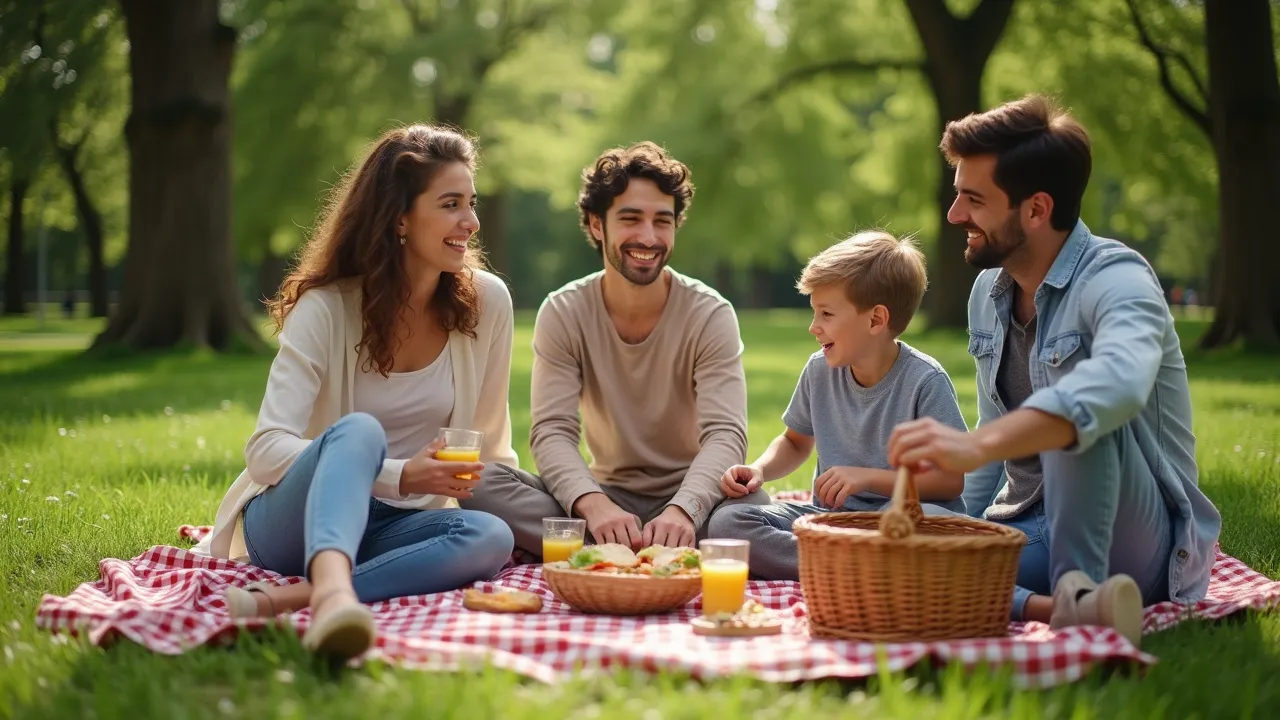
National Picnic Day on April 23rd celebrates the joy of outdoor dining. Originating from Victorian-era social gatherings, it encourages families and friends to share meals in nature, fostering community and relaxation.
The Historical Origins & Evolutionary Journey
National Picnic Day, observed on April 23rd, traces its roots to the leisurely outdoor feasts of Victorian England and 19th-century America. The term 'picnic' itself derives from the French 'pique-nique,' a social gathering where each guest contributed a dish.
Foundational Catalyst: Victorian Era Social Gatherings
During the 1800s, picnics became a fashionable pastime among the upper and middle classes. They were often elaborate affairs held in picturesque countryside settings, featuring hampers filled with cold meats, pies, and champagne. These gatherings were a way to escape the city and enjoy nature, reinforcing social bonds.
Legislative and Popular Adoption
While no single law established National Picnic Day, it gained traction through cultural momentum. In the United States, the day began appearing on unofficial holiday calendars in the early 20th century, promoted by community groups and outdoor enthusiasts. By the 1950s, it was widely recognized as a day to celebrate simple outdoor meals.
Modern Global Legacy
Today, National Picnic Day is celebrated worldwide, albeit with regional variations. In the UK, it coincides with the start of spring, while in Australia, it is often observed in October during their spring. The spirit remains the same: a celebration of food, family, and the great outdoors.
How to Celebrate National Picnic Day
April 23rd is the perfect excuse to pack a basket and head outdoors. Here are actionable strategies for individuals, schools, and organizations to make the most of this day.
For Individuals and Families
- Choose a scenic spot: parks, beaches, or even your backyard.
- Prepare a classic picnic menu: sandwiches, fresh fruit, cheese, and lemonade.
- Bring a blanket, utensils, and a cooler to keep food fresh.
- Include games like frisbee, badminton, or a deck of cards.
For Schools and Community Groups
- Organize a school-wide picnic on the lawn.
- Host a potluck where everyone brings a dish to share.
- Incorporate educational activities about local flora and fauna.
- Encourage recycling and minimal waste to respect the environment.
For Corporations and Organizations
- Arrange a team-building picnic in a nearby park.
- Provide catered lunch boxes or a barbecue.
- Include fun competitions like sack races or egg-and-spoon relays.
- Use the event to boost morale and foster informal networking.
Regional Celebration Variations
In Japan, 'hanami' picnics under cherry blossoms are common in April. In France, a 'pique-nique' often includes baguettes, cheese, and wine. In India, families enjoy outdoor meals with spiced snacks and chai. No matter where you are, the key is to relax and enjoy good company.
Global Picnic Traditions
Picnics are a universal pleasure, but each culture brings its own flavor. France celebrates with long lunches of baguettes, pâté, and wine in lavender fields. Italy favors 'scampagnate' with pasta salads, cured meats, and fresh bread. Australia often has barbecues in parks with 'sausage sizzles'. In South Africa, a 'braai' (barbecue) is a social event with boerewors and pap. These traditions highlight how National Picnic Day can be adapted locally.
Cultural Significance
Picnics are more than meals; they are rituals of togetherness. In many cultures, they mark seasonal changes, religious holidays, or family reunions. For example, the Mexican 'Día de los Muertos' includes picnics at gravesides, honoring ancestors.
Health and Social Benefits of Picnics
Outdoor dining offers numerous benefits. Vitamin D from sunlight boosts mood and immunity. Physical activity from walking or playing games reduces stress. Socially, picnics strengthen relationships by encouraging face-to-face interaction away from screens. A study from the American Journal of Lifestyle Medicine found that outdoor meals improve mental well-being and promote healthier food choices. On National Picnic Day, take advantage of these perks.
Planning the Perfect Picnic: Tips and Essentials
What to Pack
- A sturdy basket or cooler bag
- Reusable plates, cups, and cutlery
- Napkins and wet wipes
- Blanket or portable chairs
- Sun protection: hat, sunscreen, umbrella
- Food: finger foods, sandwiches, fruits, snacks
- Drinks: water, juice, or sparkling beverages
- Entertainment: books, music, games
Food Safety Tips
- Keep cold items at 40°F (4°C) using ice packs.
- Pack raw meats separately to avoid cross-contamination.
- Consume perishable foods within two hours (one hour if above 90°F).
- Bring hand sanitizer for cleaning hands before eating.
Eco-Friendly Practices
Opt for reusable items, avoid single-use plastics, and leave the area cleaner than you found it. Use biodegradable utensils or bamboo plates. Choose local, organic ingredients to support sustainability.
Picnic Culture in Literature and Media
Picnics have been romanticized in countless works. In Jane Austen's 'Emma', the Box Hill picnic is a pivotal scene of social tension. The Winnie-the-Pooh stories feature iconic picnics with honey pots. Films like 'The Great Outdoors' and 'My Big Fat Greek Wedding' celebrate communal outdoor feasts. This cultural presence underscores the picnic's role as a symbol of leisure and connection.
Historical Timeline
Picnics become a popular social activity among the Victorian upper class in England and the United States, often involving elaborate setups and multiple courses.
National Picnic Day begins appearing on informal holiday lists in the U.S., promoted by community groups and outdoor enthusiasts as a day for family gatherings.
The day gains widespread recognition in the U.S. with media coverage and corporate promotions, cementing its place as an unofficial national observance.
National Picnic Day goes global through internet culture and social media, with people sharing photos and ideas, adapting the tradition to various climates and cuisines.
During the COVID-19 pandemic, picnics surge in popularity as a safe outdoor activity, leading to renewed interest in National Picnic Day and outdoor dining.